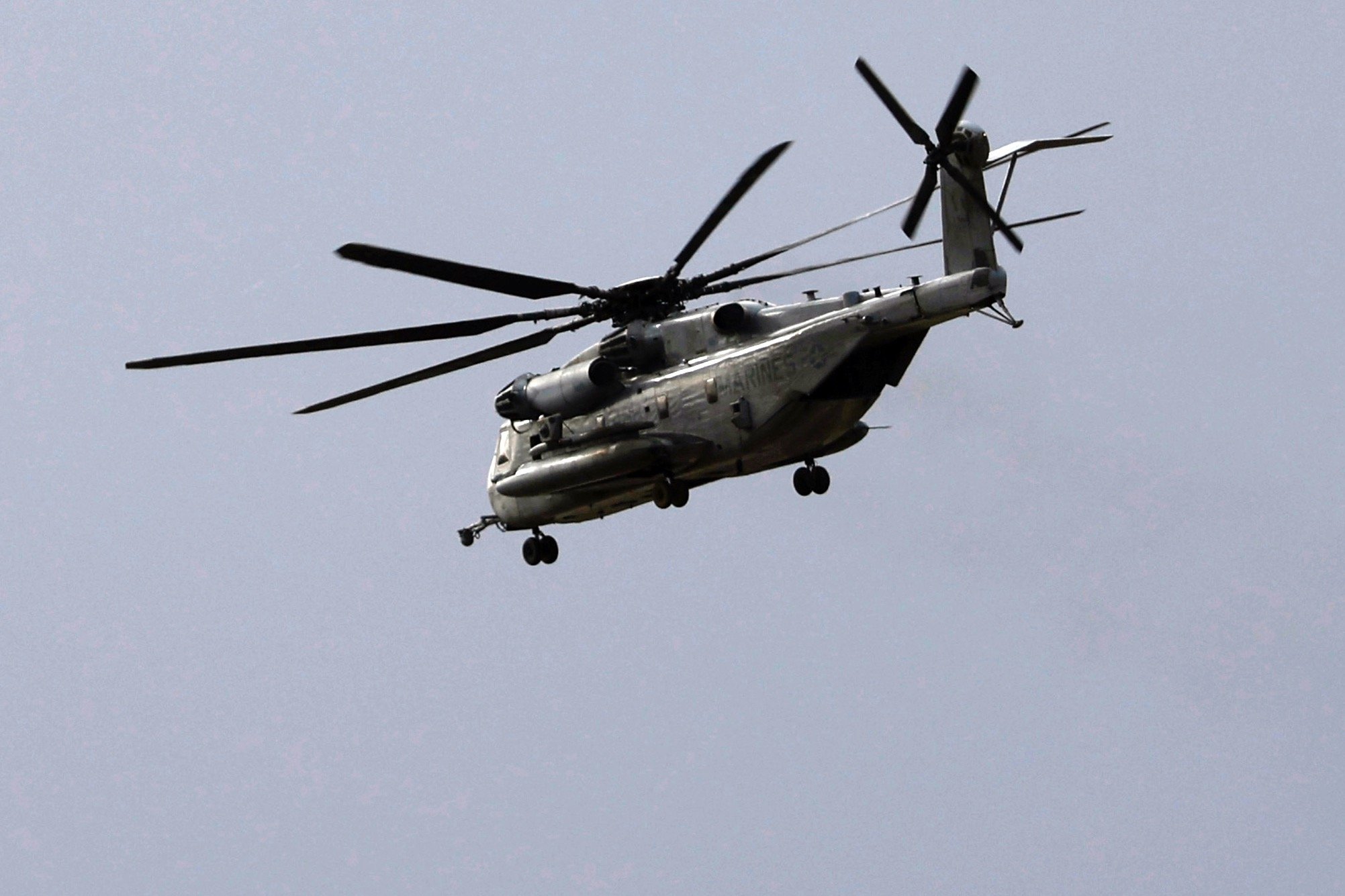
The news cycle just ate another Indonesian helicopter crash. Eight people are dead in West Kalimantan. The standard response is already unfolding: thoughts, prayers, a vague promise of an investigation by the NTSC, and a fleeting mention of "bad weather" or "mechanical failure."
Stop reading the headlines. They are lying to you by omission.
The "accident" in West Kalimantan wasn't a freak occurrence. It wasn't an act of God. It was a predictable outcome of a regional aviation culture that treats safety protocols as suggestions and maintenance logs as creative writing projects. If you operate a rotorcraft in the deep interior of Borneo without a redundant safety infrastructure that accounts for "unpredictable" tropical microclimates, you aren't a victim of a crash. You are a participant in a statistical certainty.
The Weather Scapegoat Myth
Every time a bird goes down in the Indonesian archipelago, "extreme weather" gets the blame. This is the ultimate industry cop-out.
Weather is a known variable. In West Kalimantan, the Intertropical Convergence Zone (ITCZ) creates rapid, violent shifts in visibility and wind shear. These aren't surprises; they are the baseline reality of the geography. Labeling weather as the cause is like blaming the ocean for sinking a boat with a hole in it.
The real culprit is Normalization of Deviance. This is a term coined by sociologist Diane Vaughan regarding the Challenger disaster. It occurs when people within an organization become so accustomed to a deviant behavior—like flying in sub-marginal VFR (Visual Flight Rules) conditions—that it no longer looks like a risk.
In the Kalimantan bush, pilots are under immense pressure to deliver. Whether it’s mining executives, government officials, or medical supplies, the "mission first" mentality overrides the "go/no-go" checklist. When a pilot successfully flies through a storm once and survives, the threshold for what is considered "safe" shifts. They do it again. And again. Until the math catches up with them.
The Maintenance Paper Trail vs. Reality
I have stood on tarmac in Southeast Asia and watched engineers sign off on inspections with a ballpoint pen and a shrug.
In theory, Indonesia follows stringent DGCA (Directorate General of Civil Aviation) regulations modeled after international standards. In practice, the oversight is thin, and the corruption is thick. Maintenance in remote provinces like West Kalimantan is often a "patch and pray" operation.
- Parts cannibalization: Taking a working sensor from one grounded bird to fix another.
- Life-limit fraud: Falsifying the hours on high-stress components like rotor blades or gearbox assemblies.
- Short-cutting: Skipping the 100-hour inspection because the client is screaming for a lift.
When the NTSC (National Transportation Safety Committee) releases its report in eighteen months, it will likely point to a "component failure." What it won't mention is the chain of human decisions that allowed that component to stay in service 200 hours past its expiration date.
The Vertical Flight Paradox
Helicopters are inherently less stable than fixed-wing aircraft. They are a collection of thousands of parts flying in close formation around an oil leak.
$L = C_L \cdot \frac{1}{2} \rho v^2 A$
In the thin, humid air of the tropics, lift coefficients change. Power margins shrink. If you are flying a single-engine Bell or Eurocopter at maximum gross weight over the dense canopy of West Kalimantan, your margin for error is zero.
If the engine quits over a jungle, you have seconds to enter autorotation. If the canopy is 100 feet tall and the ground is uneven, your "survivable" landing becomes a high-velocity impact.
The industry insists on using single-engine platforms for these missions because they are cheaper to lease and fuel. But using a single-engine bird for transport over "inhospitable terrain" (ICAO terminology) is a gamble. Using twin-engine aircraft would cut the crash rate by 60%, but it would also cut the profit margins of the local operators.
They’ve done the math. Eight lives are cheaper than a fleet upgrade.
The Pilot Experience Gap
Indonesia is a brutal training ground. The geography is unforgiving, the navigation aids are prehistoric in many regions, and the communication with Air Traffic Control is often spotty.
We see a recurring pattern: young pilots with low hours being put in high-stress environments, or "cowboy" veterans who think their experience makes them immune to physics. Neither survives the Kalimantan ridge lines when a downdraft hits.
The "People Also Ask" sections of the internet will wonder: "Is it safe to fly in Indonesia?"
The honest, brutal answer? No. Not if you value a Western standard of risk. The accident rate per 100,000 flight hours in Indonesian general aviation remains an outlier compared to North America or Europe. This isn't because the pilots are "bad"—it's because the system they work in rewards risk-taking and punishes those who wait for the clouds to clear.
Stop Fixing the Wrong Things
The government will respond to this crash with another round of "safety audits." These audits are theater. They check boxes, review paperwork that has been scrubbed clean, and leave the fundamental rot untouched.
If you want to stop the dying, you don't need more audits. You need:
- Mandatory Flight Data Monitoring (FDM): Every commercial helicopter must have a "black box" that transmits flight parameters in real-time. If a pilot breaks a safety minimum (like flying too low or too fast in poor visibility), they are grounded immediately. No excuses.
- Independent Maintenance Oversight: Remove the ability for local operators to "self-certify." Third-party, international inspectors should be the only ones with the power to sign off on airworthiness.
- Strict Liability for Owners: If a helicopter crashes due to a known maintenance lapse, the board of directors should face criminal negligence charges, not just a fine that their insurance covers.
The Industry Insider’s Cold Truth
I've seen the aftermath of these "incidents." I've watched the smoke rise from the jungle and listened to the excuses in the hangar.
We treat these deaths as a tragic cost of doing business in a developing nation. We talk about "improving infrastructure" and "better training." It’s all noise.
The crash in West Kalimantan happened because someone, somewhere, decided that a safety margin was too expensive to maintain. They bet that the "weather" wouldn't be that bad today. They bet that the old part would hold for one more trip. They bet eight lives on a spreadsheet.
They lost the bet. The eight people on board paid the stake.
Stop calling these crashes "accidents." They are the intended output of a broken system. If you aren't outraged by the systemic negligence, you’re just waiting for the next eight names to be added to the list.
The physics of a crash are simple. The politics of preventing one are where the bodies are buried. Until the cost of a human life exceeds the cost of a new turbine, the helicopters will keep falling.
Don't book the flight.