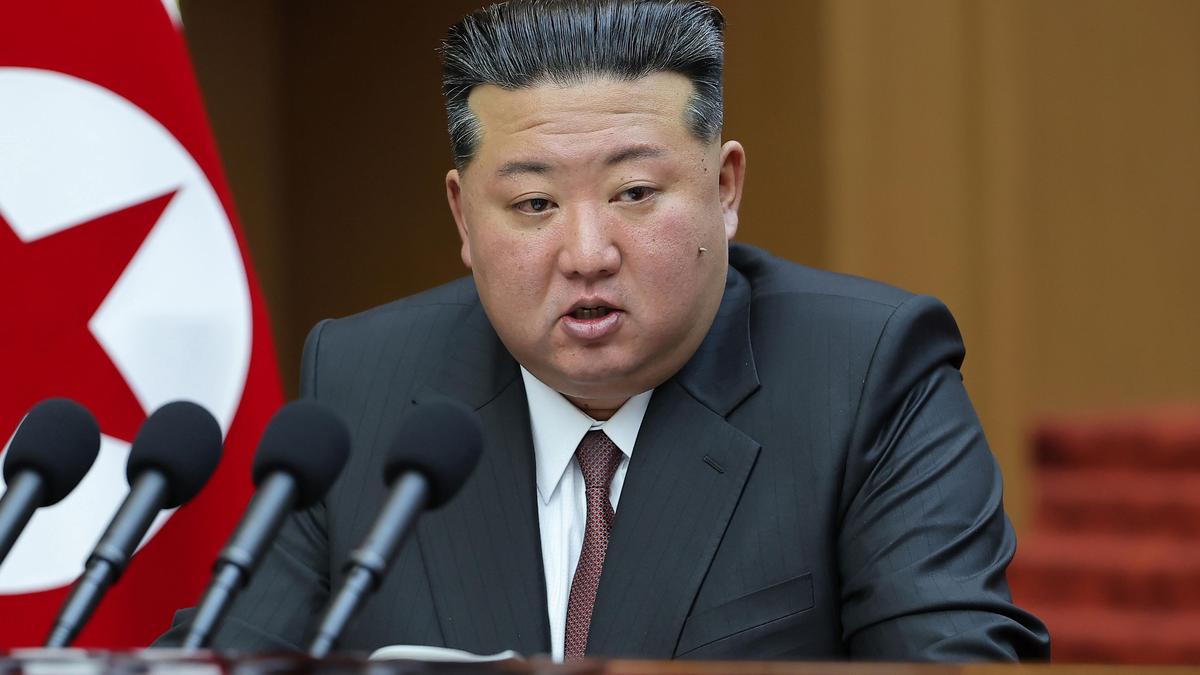
Viktor Orbán just threw a massive wrench into Ukraine's energy security, and he's not being subtle about it. On Wednesday, March 25, 2026, the Hungarian Prime Minister announced he's gradually choking off natural gas supplies to Ukraine. His logic is blunt: if Hungary doesn't get its Russian oil through the Druzhba pipeline, Ukraine doesn't get Hungarian gas. It’s a classic "eye for an eye" geopolitical play that puts millions of people at risk as the war enters its fourth year.
This isn't just a minor trade spat. Hungary provides nearly 40% of Ukraine’s gas imports. Cutting that off in the middle of a conflict is a move that feels less like a policy shift and more like a siege tactic. Orbán calls it a response to "Ukrainian blackmail," but for the rest of Europe, it looks like Budapest is once again doing Moscow’s heavy lifting inside the EU.
The Druzhba pipeline standoff
The spark for this latest fire was the Jan. 27 Russian airstrike that knocked out the southern branch of the Druzhba pipeline on Ukrainian soil. This pipe is the lifeblood for refineries in Hungary and Slovakia. Since that hit, the flow of Russian crude has effectively dried up.
Hungary and Slovakia aren't buying the "accidental damage" story. They’ve accused Kyiv of intentionally dragging its feet on repairs to gain political leverage. Honestly, the timing is suspicious for everyone involved. Ukraine is tired of being a transit hub for the very Russian resources funding the missiles hitting its cities. Meanwhile, Orbán is facing a brutal election on April 12 and needs to show his voters he's protecting "cheap energy" at any cost.
- The Oil Blockade: Hungary claims Ukraine is blocking Lukoil shipments.
- The Gas Retaliation: Orbán is now redirecting gas meant for Ukraine into Hungarian domestic storage.
- The Diesel Cut: Hungary already stopped sending diesel to Ukraine earlier this year.
Why Orbán is doubling down now
You've got to look at the calendar to understand the desperation here. Orbán is trailing in the polls against a rising center-right opponent from the Tisza party. His entire political brand is built on the idea that he’s the only guy who can keep Hungarian utility bills low by staying "neutral" in the war.
By labeling Ukraine an "enemy" and accusing President Zelenskyy of meddling in the Hungarian election, Orbán is playing to his base. He’s even gone as far as deploying military forces to "protect" energy infrastructure, claiming—without a shred of evidence—that Ukraine is planning sabotage. It's high-stakes theater designed to distract from a 90-billion-euro EU loan for Ukraine that Hungary is currently blocking.
The EU is stuck in the middle
Brussels is losing its patience. For years, Hungary and Slovakia have enjoyed exemptions from the EU’s ban on Russian oil because they're landlocked. The idea was to give them time to find other sources. Instead, Hungary actually increased its reliance on Russian crude to 86% by 2024.
The European Commission recently offered to pay for the repairs to the Druzhba pipeline just to get the oil moving and the vetoes lifted. Ukraine said yes. Orbán said no. He wants more than just a fixed pipe; he wants a total surrender on energy sanctions. It’s a bold gamble that ignores one very real alternative: the Adria pipeline from Croatia.
Experts at the Center for the Study of Democracy have pointed out that the Adria pipeline has the capacity to feed both Hungary and Slovakia with non-Russian oil. The technical excuses Budapest keeps making about "unsuitable crude mixes" are starting to wear thin. Croatia even confirmed that new non-Russian cargoes are already arriving at their Omišalj terminal. Hungary just doesn't want to pay the higher transit fees or lose its sweetheart deals with the Kremlin.
What this means for the average Ukrainian
If you’re in Kyiv or Kharkiv, this isn't a theoretical debate. Hungary’s share of Ukraine’s gas imports was 45% last year. While Ukraine has been pivoting to Polish and Romanian routes, losing the Hungarian corridor creates a massive deficit.
It’s not just about heating homes. Hungary supplies about 50% of Ukraine’s imported electricity. If Orbán pulls the plug on the power grid next, the humanitarian situation gets dark—literally—very fast. Ukraine is already dealing with a wrecked domestic power sector from Russian drone strikes. Adding a "friendly" neighbor's energy embargo to the mix is a nightmare scenario.
The geopolitical fallout
We’re seeing a fundamental breakdown of the "sincere cooperation" principle that holds the EU together. By tying a humanitarian loan and a 20th sanctions package to a pipeline dispute, Orbán has crossed a red line.
There's already talk in Brussels about finally pulling the trigger on Article 7—the "nuclear option" that would strip Hungary of its voting rights. It's a long shot, but with the U.S.-Iran war currently spiking global energy prices, the EU can’t afford a rogue member state holding its entire security strategy hostage.
What you should watch for next
If you're tracking this, keep your eyes on the April 12 election in Hungary. If Orbán wins, expect this energy war to escalate into a multi-year freeze that could permanently detach Hungary from the European mainstream. If he loses, the Druzhba pipeline might suddenly "get repaired" very quickly.
For now, Ukraine has to scramble to secure more capacity through Poland and the Baltic states. It’s more expensive and logistically tougher, but it’s the only way to bypass a neighbor that has decided energy is a weapon.
You should monitor the flow data from the Adria pipeline over the next month. If MOL (the Hungarian energy giant) starts taking more non-Russian oil from Croatia while Orbán continues the "no oil, no gas" rhetoric, you'll know the crisis is 100% manufactured for political gain.