The Western intelligence community is reading the map upside down. While analysts at major outlets scramble to explain why the Houthis—Ansar Allah—are "holding back" or "waiting for instructions" from Tehran, they are missing the most aggressive geopolitical play of the decade. They mistake tactical calibration for hesitation. They mistake local consolidation for weakness.
The consensus suggests the Houthis are the B-team of the "Axis of Resistance," a group of ragtag rebels currently too preoccupied with Yemen’s internal ruins to project power. This narrative is not just lazy; it is dangerous. The Houthis aren't holding back. They are the only players on the board currently capable of paralyzing global trade without firing a single ballistic missile at a capital city.
The Proxy Fallacy
The most pervasive lie in Middle Eastern analysis is the idea that the Houthis are a simple puppet of Iran. If you believe the Houthis wait for a green light from the IRGC before moving a finger, you have never studied the history of the Zaydi imamate.
I have spent years watching regional actors burn through billions in hardware, and the one constant is this: the Houthis are the most autonomous, unpredictable, and strategically "lean" force in the region. Unlike Hezbollah, which has a state-within-a-state to protect and a delicate sectarian balance to maintain, the Houthis have nothing to lose.
They don't need a massive invasion force to win. They only need to remain a "credible threat" to the Bab el-Mandeb strait. By doing "nothing"—as the headlines claim—they are actually forcing the United States and its allies to spend millions on naval patrols and insurance premiums. That isn't restraint. That is the ultimate asymmetric squeeze.
Why Domestic Stability is a Weapon
Mainstream media loves to point at Yemen’s internal strife as the reason for Houthi "inactivity." They argue that the rebels are too busy fighting the Presidential Leadership Council (PLC) or managing a starving population to join a wider war.
This is a fundamental misunderstanding of how revolutionary regimes operate.
For the Houthis, external conflict is the primary tool for internal legitimacy. They don't need to "fix" Yemen’s economy; they need a perpetual enemy to justify why the economy is broken. By positioning themselves as the sole defenders of Palestinian sovereignty while the rest of the Arab world issues polite press releases, they have effectively silenced their domestic critics.
- The Logic of Selective Engagement: If the Houthis launched a full-scale, suicidal barrage tomorrow, they would be obliterated by Western airpower.
- The Reality of Kinetic Signaling: By launching occasional, high-profile drone strikes or seizing the odd commercial vessel, they maintain their "Resistance" credentials without inviting total annihilation.
They aren't "holding back." They are pacing themselves for a marathon while the West expects a sprint.
The Geography of Disruption
Let’s talk about the math of the Red Sea. Approximately 12% of global trade passes through the Suez Canal. If you can increase the risk profile of that route by even 5%, you have effectively taxed the entire global North.
The Houthis understand $v_f = v_i + at$ better than the career diplomats in Washington. They know that the acceleration of risk is more valuable than the velocity of their missiles.
$$Risk = (Capability \times Intent) / Response$$
The West's response has been to send carrier strike groups—multi-billion dollar assets—to swat down $20,000 drones. Every time an Aegis destroyer fires a Standard Missile-2 to intercept a Houthi "lawnmower in the sky," the Houthis win the economic exchange. They are draining the Pentagon’s magazines without even trying.
The Intelligence Gap: Why We Keep Getting This Wrong
The "experts" citing Houthi restraint are usually looking at satellite imagery of missile silos. They should be looking at the psychology of the souk.
I’ve seen military contractors lose their minds trying to quantify the Houthi threat. They want a neat order of battle. They want a chain of command they can map. But the Houthis operate on a logic of "decentralized defiance." They don't need a complex satellite array when they have a network of spotters with WhatsApp and binoculars overlooking the shipping lanes.
The competitor articles you read are written by people who think the Middle East is a game of Risk. It isn't. It’s a game of endurance. The Houthis have survived nearly a decade of bombardment by the Saudi-led coalition. They have been "starved," "isolated," and "outgunned" for a third of their existence as a movement. You cannot deter a group that views martyrdom as a promotion and poverty as a badge of honor.
The False Promise of Diplomacy
There is a naive hope in diplomatic circles that a permanent ceasefire in Yemen will "tame" the Houthis. This is pure fantasy.
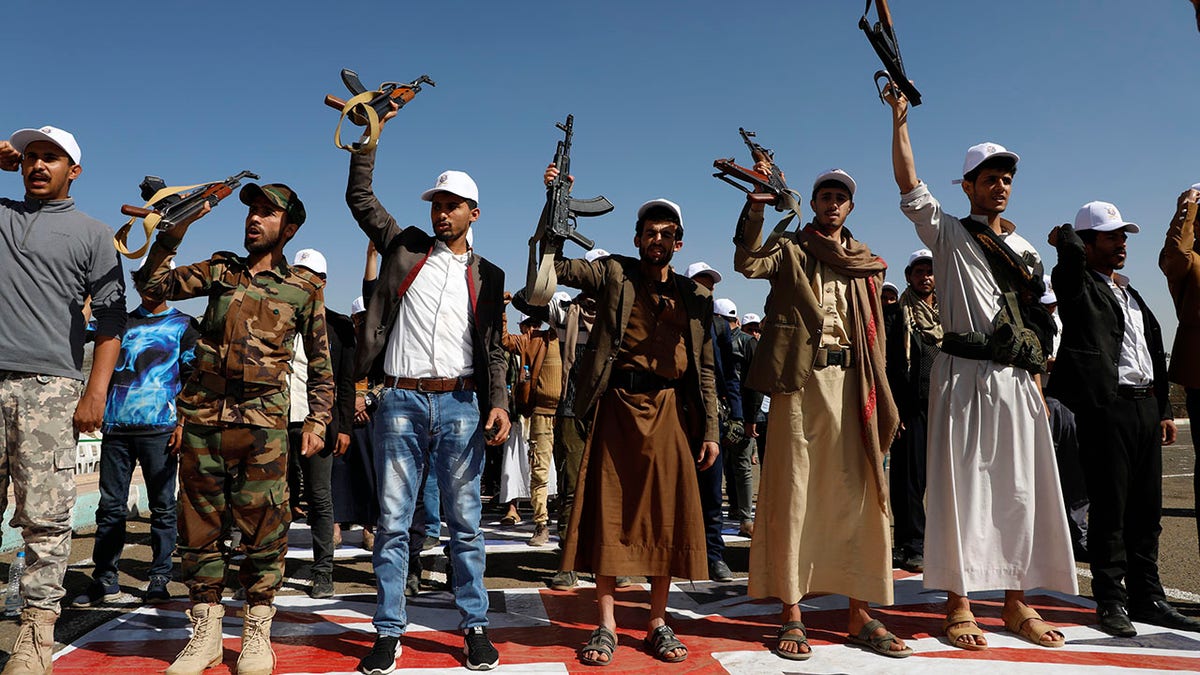
The Houthis are not looking for a seat at the table; they want to build a new table. Their "restraint" in the current conflict is actually a massive recruitment drive. They are showing the youth of the region that while "legitimate" governments are paralyzed by treaties and trade deals, a group of barefoot rebels can challenge the world’s most powerful navy.
Common Misconceptions vs. Reality
| Misconception | Reality |
|---|---|
| Houthis are waiting for Iranian orders. | Houthis use Iran for tech, but set their own timeline. |
| They are deterred by US naval presence. | US presence provides them with high-value targets for propaganda. |
| Their internal problems prevent them from fighting. | War is their primary solution for internal dissent. |
| They are a local Yemeni problem. | They are a global maritime security nightmare. |
The Brinkmanship of "Not Enough"
The genius of the current Houthi strategy is doing just enough to be a problem, but not enough to trigger a ground invasion. They have found the "Goldilocks Zone" of international provocation.
If they do too much, the West is forced to go into Sana’a—a nightmare scenario for everyone involved, but one that would ultimately end Houthi rule. If they do nothing, they lose their status in the "Axis." By doing exactly what they are doing now—sporadic, high-impact disruptions—they remain relevant, untouchable, and incredibly influential.
Stop asking when the Houthis will "join the war." They are already in it. They are just playing a version of the game that the West hasn't learned how to counter yet. They have weaponized the status quo.
The next time you read a report about Houthi "hesitation," remember that the guy with the gun doesn't need to pull the trigger to control the room. He just needs to make sure everyone knows he’s willing to do it.
The Houthis aren't the outliers of the current conflict. They are its future. They have proven that you don't need a superpower's budget to hold the world's economy hostage. You just need a coastline, a few drones, and an enemy that is too afraid of the "unintended consequences" to actually fight back.
Quit waiting for the escalation. This is the escalation. You’re just looking at it through the wrong end of the telescope.
Get used to the new normal: the world's most vital artery is now guarded by the people the "experts" told you were too weak to matter.