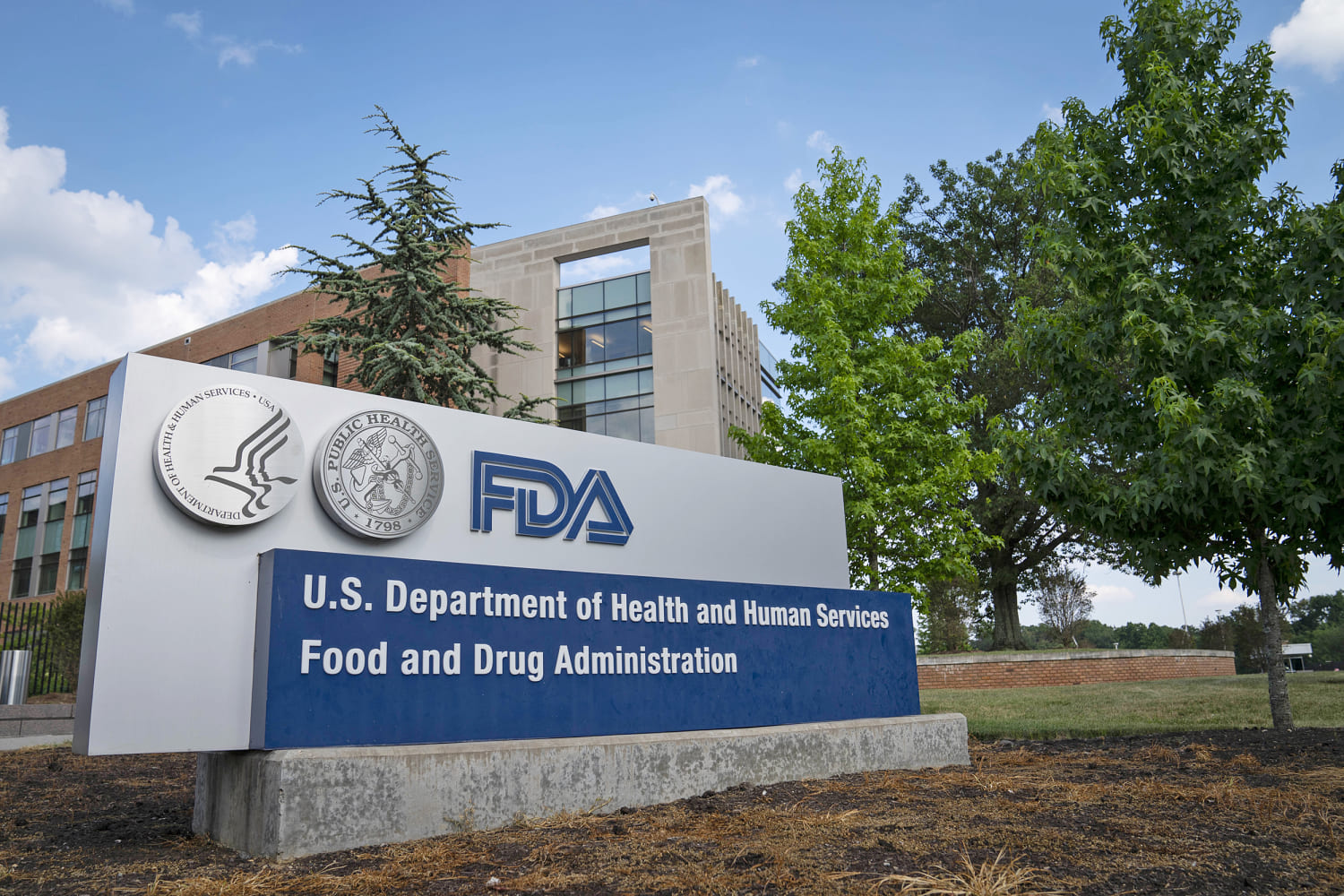
The revolving door at the FDA’s Center for Biologics Evaluation and Research (CBER) is spinning again. This isn't just another bureaucratic shuffle. It's a fundamental shift in how the United States handles vaccines, gene therapies, and the very definition of "safe and effective."
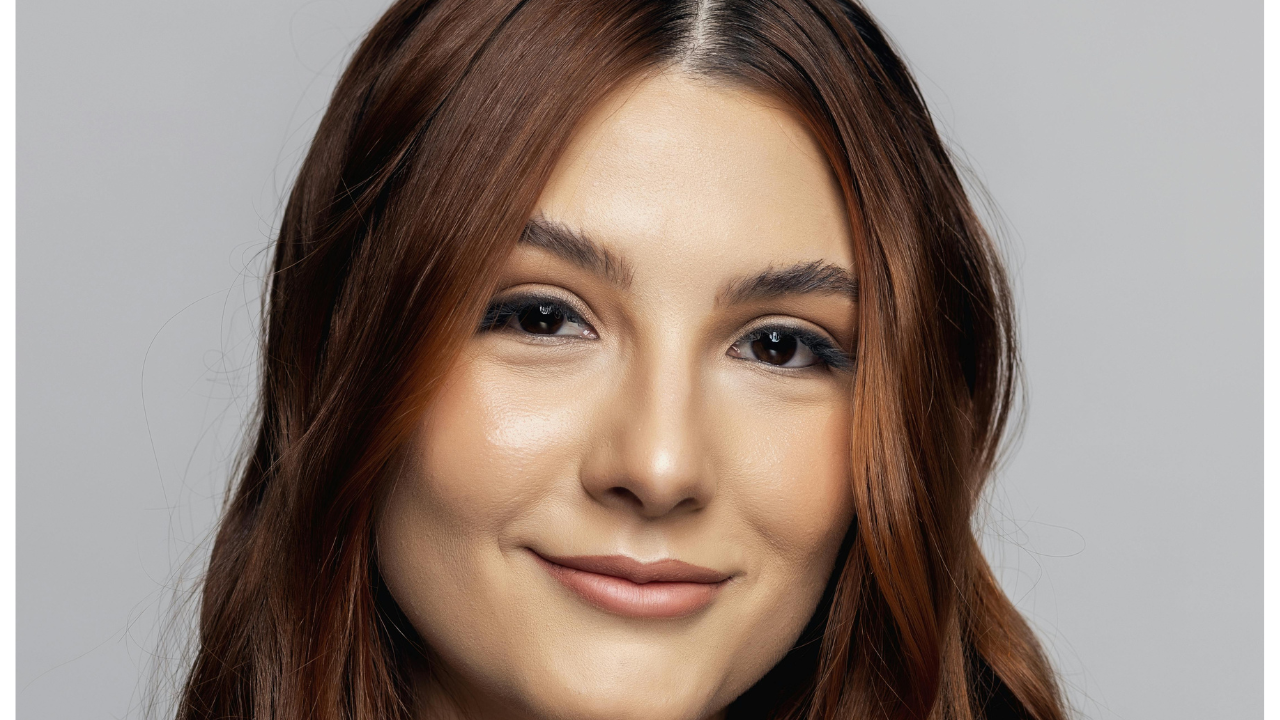
With Dr. Vinay Prasad packing his bags to head back to academia at the end of April 2026, the spotlight has landed on an unexpected front-runner: Dr. Houman Hemmati. He’s an ophthalmologist, a biotech entrepreneur, and a regular on the cable news circuit. If you’re wondering why a specialist in eye diseases is being tapped to lead the world’s most powerful vaccine office, you aren't alone. It’s a move that signals the administration is prioritizing a specific brand of medical skepticism and industry-disrupting zeal over traditional public health lineage.
Why an Ophthalmologist is Topping the List
Dr. Houman Hemmati isn't your typical career government scientist. That’s exactly why he’s in the running. In the current political climate, "insider" is a dirty word. Hemmati brings a mix of private sector grit and a willingness to challenge the status quo that appeals to the decision-makers in Washington.
His background is actually quite impressive, even if it isn't in immunology. He’s spent years in the trenches of biotech, specifically with companies like Optigo Biotherapeutics and Vyluma. He knows how the FDA works from the outside—the delays, the red tape, and the immense cost of getting a product to market. For an administration that wants to "move fast and break things" in the medical regulatory space, Hemmati’s entrepreneurial streak is a major selling point.
But the real reason he’s the front-runner? He’s been a vocal critic of the government's pandemic response. He’s aligned with figures like FDA Commissioner Marty Makary and HHS Secretary Robert F. Kennedy Jr. He doesn't just want to run the office; he wants to rethink it.
The Chaos Left Behind by Vinay Prasad
To understand where Hemmati might go, you have to look at where Prasad is leaving things. Vinay Prasad’s tenure was anything but quiet. He was the "evidence-based" hardliner who famously clashed with big pharma and even his own staff.
Prasad didn't believe in the "more is better" approach to vaccines. He pushed for much tougher standards, requiring massive placebo-controlled trials for vaccines intended for healthy people. He was the one who scaled back recommendations for annual COVID-19 shots, limiting them to the elderly and the high-risk.
His departure follows a series of high-profile disputes, including a messy spat with the gene therapy company UniQure. The industry is currently on edge. They don't know what the rules are anymore. One day the FDA is demanding more data, the next day they’re talking about "speeding cures" through new pathways. It’s a mess of conflicting signals.
What Hemmati Would Change at CBER
If Hemmati takes the reins, don't expect a return to the "old" FDA of the Peter Marks era. Marks was known for regulatory flexibility—he’s the guy who oversaw the lightning-fast approval of the first COVID vaccines and championed gene therapies for rare diseases.
Hemmati represents a third way. He’s likely to combine Prasad’s skepticism of broad public health mandates with a more industry-friendly approach to "unmet needs." Here’s what’s probably on his agenda:
- Ultra-Rare Disease Fast Tracks: Hemmati has already publicly supported new pathways to speed up cures for rare genetic disorders. He wants to move away from the traditional 10-year development cycle for drugs that only affect a handful of people.
- Skepticism of Mass Vaccination: Like Makary and Kennedy, Hemmati leans toward a more individualized approach to medicine. Don't expect him to be a cheerleader for universal vaccine mandates.
- Regulatory Reform: He’s an entrepreneur. He thinks the current FDA process is too slow, too expensive, and too bureaucratic. He’ll likely look for ways to trim the fat, even if it means taking risks that would make old-school regulators break out in a cold sweat.
The Industry is Terrified and Intrigued
The drug industry is currently having a collective panic attack. Stability is the one thing pharmaceutical companies crave more than anything else. They need to know that if they spend $1 billion on a clinical trial, the goalposts won't move in the ninth inning.
Under Prasad, the goalposts didn't just move; they were sometimes taken off the field entirely. Hemmati is a wild card. On one hand, his biotech background suggests he’ll be more sympathetic to the struggles of developers. On the other hand, his alignment with the "Make America Healthy Again" movement means he might be just as unpredictable as his predecessor.
Investors are watching the gene therapy sector especially closely. When Prasad was appointed, stock prices for these companies tanked because he was a known skeptic of the "accelerated approval" pathways they rely on. Hemmati might be their best hope for a more favorable environment, but it comes with the price of increased political scrutiny.
The Job No One Wants
Let’s be honest: the CBER director job is currently a nightmare. You’re caught between a White House that wants radical change, a scientific staff that’s protective of traditional norms, and a public that’s more divided than ever on the value of vaccines.
Whoever takes over in May will have to hit the ground running. There are massive decisions looming on everything from combined flu-COVID shots to the next generation of CRISPR-based therapies. If Hemmati is the guy, he’s going to have to prove very quickly that an eye doctor can handle the complexities of molecular immunology and the political theater of Washington.
The search continues, and while Hemmati is the name on everyone’s lips, the administration is still "vetting highly qualified candidates." But in this version of the FDA, "highly qualified" doesn't mean what it used to. It means you’re ready to fight.
If you’re invested in biotech or just care about what’s going into your medicine cabinet, keep your eyes on this transition. The next few weeks will decide the direction of American medicine for the next decade. Keep a close watch on the official FDA announcements and look for whether the agency starts pivoting toward Hemmati’s preferred "speed for rare disease" model. That’ll be your first signal of which way the wind is blowing.