The world's Christmas factory is in a panic, and it’s not because of a lack of glitter. If you’ve ever bought a plastic reindeer, a string of LED lights, or a mass-produced Santa hat, there’s an 80% chance it came from Yiwu, China. But right now, the "world's supermarket" is facing a logistical nightmare that could turn your December celebrations into a budget-draining ordeal.
Shipping routes are a mess. The Strait of Hormuz is essentially closed to major traffic. For the merchants in Yiwu who supply the Middle East and Europe, this isn't just a headline—it's a financial catastrophe.
The Yiwu Bottleneck
Yiwu isn't just a city; it’s a bellwether for global consumer health. When the Strait of Hormuz chokes, the ripple effect hits Yiwu’s "Christmas Village" first. Usually, this time of year is peak production season. Instead, warehouse floors are stacked with boxes that have nowhere to go.
The numbers are staggering. In March 2026, vessel transits through the Strait of Hormuz plummeted by 95% compared to pre-conflict levels. For a city that exported over 730 billion RMB in goods last year, with 15% of that destined for the Middle East, the silence is deafening. Logistics providers are reporting that freight costs for a single container have jumped from a standard $2,000 to an eye-watering $18,000 when attempting to reroute through Turkey.
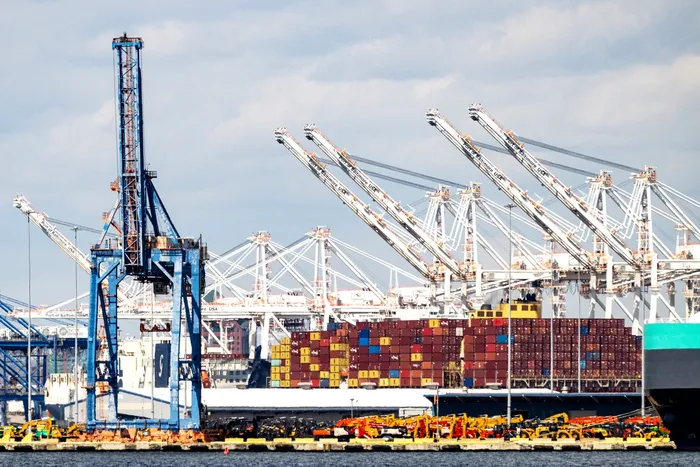
You’re probably thinking, "I don't live in Dubai, why does this matter to me?" It matters because shipping is a global zero-sum game. When one major artery is blocked, every other route gets crowded. Ships that used to take 20 days to reach their destination are now being diverted around the Cape of Good Hope. That adds 15 to 30 days of transit time. If you’re a retailer in London or New York, you aren't just paying more for shipping—you're paying for the risk that your trees won't arrive until January.
Why the Middle East Crisis Hits Your Wallet
Geopolitics feels distant until you try to buy a $15 wreath and find out it’s $45. The blockade isn't just about delayed ships. It’s about energy. China is the world's largest importer of crude oil, and 45-50% of those imports typically pass through the Strait of Hormuz.
Higher oil prices mean higher raw material costs. Woven fabric prices—the stuff used for those plush stockings and tree skirts—jumped 20% almost immediately after the conflict escalated. Small-scale manufacturers in Yiwu operate on razor-thin margins. They can't eat those costs. They pass them to the wholesaler, who passes them to the big-box retailer, who passes them to you.
Rail is Not a Magic Bullet
Some analysts point to the China-Europe Railway Express as the savior. It’s true that rail freight from Yiwu to places like Duisburg or Madrid is seeing record volumes. It’s faster than going around Africa, taking about 18 to 23 days. But there’s a catch.
- Capacity Limits: A single mega-vessel can carry 20,000 containers. A train carries about 50 to 100. You'd need a constant parade of trains to replace one ship.
- Border Friction: Congestion at the China-Kazakhstan border has already led to week-long delays.
- Price Creep: Demand for rail has sent those rates climbing too. It’s cheaper than air, but it’s no longer the bargain it was in 2024.
Retailers Are Making Tough Calls
I’ve talked to buyers who are honestly terrified of the Q4 outlook. They’re facing a "triple threat": high shipping rates, increased material costs, and the looming shadow of renewed tariffs. In early 2026, Chinese exports to the U.S. had already plunged by 26.5%.
Small business owners are the ones really feeling the squeeze. If you run a local boutique, you can't negotiate "preferred rates" with Maersk or Cosco. You're stuck with the spot market. If it costs $18,000 to get a container out of the region, many small sellers will simply stop ordering. This leads to scarcity. When supply drops and the holiday demand stays the same, prices go one way: up.
What You Should Do Right Now
If you’re a consumer, the "wait and see" approach is going to fail you this year. If you’re a business owner, you need a radical shift in your procurement strategy.
- Buy Your Inventory Now: Forget the traditional June/July ordering window. If the item is in stock domestically, grab it. The "just-in-time" supply chain is dead for 2026.
- Diversify Sourcing: Yiwu is the king, but look toward Southeast Asia or even domestic manufacturers for basics. The "China Plus One" strategy isn't just for tech giants anymore.
- Audit Your Shipping: If you’re importing, stop relying on ocean freight for everything. Mix in rail for high-margin items to ensure you have something on the shelves when the holiday rush begins.
- Expect the Surcharge: Prepare your customers now. Transparency about "logistics surcharges" is better than a sudden, unexplained price hike in November.
The era of cheap, infinite holiday plastic is hitting a massive wall. The Strait of Hormuz might feel like a world away, but the reality of 2026 is that a blockade in the Middle East is exactly why your Christmas tree is going to be a lot more expensive. Don't get caught off guard.