Sending people back to a country they barely remember or where they face immediate physical danger isn't just a policy choice. It's a life sentence. Right now, dozens of individuals deported from the United States are sitting in the Democratic Republic of Congo (DRC), caught in a terrifying bureaucratic and humanitarian trap. They're often referred to as "U.S. deportees in limbo," but that phrase doesn't capture the raw fear of someone who just landed in Kinshasa with nothing but the clothes on their back and a target on their chest.
The situation is messy. It's violent. And it's largely ignored by the American public.
Most of these individuals spent decades in the U.S. Some had green cards. Others were seeking asylum from the very government that now holds their fate in its hands. When they arrive in the DRC, they aren't greeted with open arms. They're often met with suspicion, detention, and "administrative fees" that look a lot like extortion. If you don't have family on the ground or a pile of cash to pay off the right people, you disappear into a system that doesn't care if you live or die.
Why the DRC is a Death Trap for Returnees
The DRC isn't just another developing nation. It's a country struggling with decades of armed conflict, systemic corruption, and a government that views anyone returning from the West with deep skepticism. When the U.S. Immigration and Customs Enforcement (ICE) charters a flight to Kinshasa, they're handing over people to a regime that frequently treats deportees as potential spies or political agitators.
The Congolese National Intelligence Agency (ANR) often detains these individuals upon arrival. I've seen reports of deportees held for weeks in underground cells without being charged. The "official" reason is to verify their identity. The real reason? They're looking for a payout. Or they're trying to see if the person has any ties to opposition groups abroad. It's a shakedown. Pure and simple.
Imagine living in Chicago or Houston for 20 years. You speak English. Your kids are American. Your French or Lingala is rusty at best. Suddenly, you're tossed into a crowded cell in a city where you don't know the streets and everyone thinks you're a walking ATM because you came from "L'Amerique." You're not just an outsider; you're a mark.
The Legal Gap in U.S. Removal Orders
Our immigration system operates on a binary. You're either legal or you're not. But this black-and-white view ignores the nuance of "non-refoulement"—the international legal principle that forbids a country from returning asylum seekers to a country where they'll probably face persecution.
The U.S. technically adheres to the Convention Against Torture (CAT). However, the burden of proof is incredibly high. You have to prove it's "more likely than not" that you'll be tortured. Not just harassed. Not just jailed. Tortured. In the DRC, where "torture" is often decentralized and carried out by rogue soldiers or local gangs, meeting that legal threshold is almost impossible for someone without a high-priced lawyer.
Many of those deported to the DRC had criminal convictions in the U.S. This is the part people don't like to talk about. It makes them "undesirable" in the eyes of the law. But a drug conviction from 1998 shouldn't mean you get sent to a war zone in 2026. The punishment doesn't fit the crime. Once you've served your time in the U.S., deportation acts as a second, much harsher sentence. It’s a permanent exile that often ends in tragedy.
Life on the Ground in Kinshasa
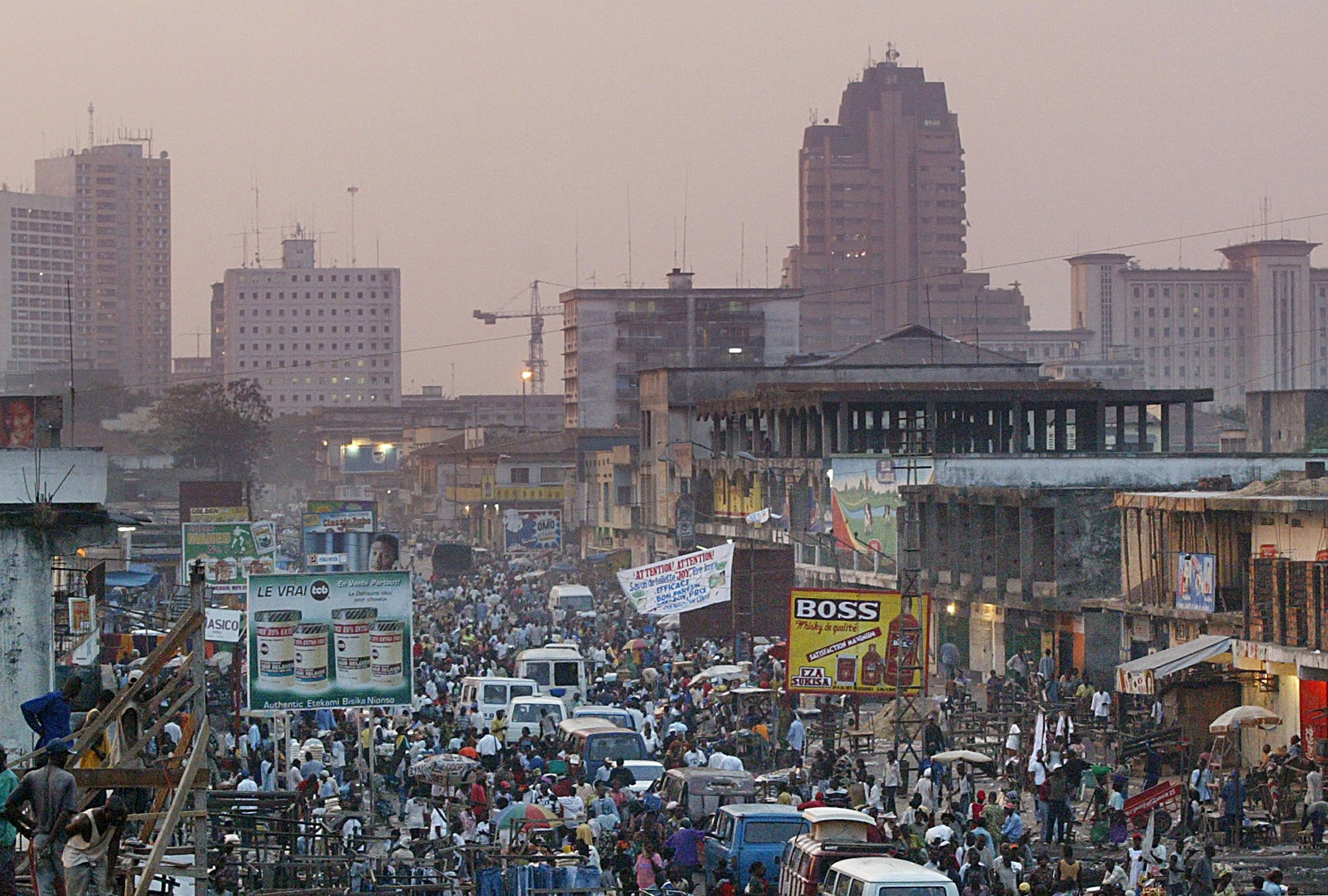
For the lucky ones who avoid immediate detention, life in Kinshasa is a different kind of prison. The cost of living is surprisingly high. Infrastructure is crumbling. Jobs are non-existent for people who don't have local connections.
I've heard stories of men sleeping on church floors because their families in the U.S. can't afford to send money and their relatives in Congo have long since passed away or fled. There's a profound sense of displacement. They feel American, but the U.S. rejected them. They look Congolese, but the DRC doesn't want them. They're stuck in a cultural and legal no-man's-land.
Health is another massive issue. The DRC struggles with outbreaks of Mpox, Ebola, and malaria. Someone who grew up in an American suburb doesn't have the immunity or the knowledge to navigate these health risks. They don't know which water is safe or which clinics won't rob them. It's a steep, deadly learning curve.
The Role of Advocacy Groups
A few organizations are trying to shine a light on this. Groups like the Congolese Community Foundation and various human rights watchdogs track these flights. They try to provide legal aid. But they're outgunned. ICE has the planes and the budget. The advocates have a few volunteers and a Twitter account.
The lack of transparency is the biggest hurdle. ICE doesn't typically release data on what happens to people after they land. Once the plane wheels touch the tarmac in Kinshasa, the U.S. government washes its hands of the situation. "Not our problem," they say. But it is our problem. We built the system that put them on that plane.
What Needs to Change Right Now
We can't keep pretending these deportations are routine administrative actions. They're human rights violations disguised as paperwork. If we want to fix this, we need to start with some basic common sense.
First, the U.S. State Department needs to be more honest about the conditions in the DRC. You can't have a "Level 4: Do Not Travel" advisory for tourists while simultaneously claiming it's safe enough to dump deportees there. That's a massive contradiction that costs lives.
Second, we need to expand the use of "Prosecutorial Discretion." Not every deportation order has to be carried out. If someone has been in the U.S. for decades, has a family here, and faces legitimate danger back home, keep them here. It's cheaper than a charter flight and a lot more humane.
Third, there should be a mandatory follow-up system. If the U.S. deports someone, we should have a moral obligation to ensure they aren't being tortured or held for ransom by the receiving government. If we can't guarantee their safety, we shouldn't send them.
Staying Informed and Taking Action
If this bothers you, don't just close the tab. The only reason this keeps happening is because it happens in the dark.
- Support local immigration clinics. They are the first line of defense for people facing these removal orders. They need funding for experts who can testify about the dangers in the DRC.
- Pressure your representatives. Ask them why the U.S. is sending people to a country that the State Department warns its own citizens to avoid.
- Follow the data. Organizations like TRAC (Transactional Records Access Clearinghouse) provide the real numbers on deportations. Use them to hold the government accountable.
The people stuck in limbo in Kinshasa aren't just statistics. They're people who lived in our neighborhoods and worked in our businesses. They're waiting for a change that might never come. Stopping these flights is the only way to ensure more people don't end up in a Congolese cell for the "crime" of trying to live a life in America.
Pay attention. This is happening on our watch.