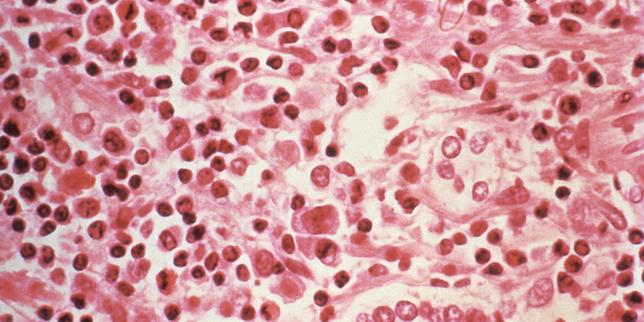
Hantaviruses represent a distinct biosafety challenge because they bypass traditional person-to-person contagion models, relying instead on a persistent environmental-zoonotic loop. Unlike common seasonal viruses, hantaviruses are categorized as "roboviruses" (rodent-borne viruses), where the rodent serves not merely as a temporary host but as a chronic, asymptomatic reservoir. Understanding the risk profile of these pathogens requires a breakdown of three specific variables: host population density, environmental stability of the viral particles, and the physiological threshold for human infection.
The Taxonomy of Risk: Old World vs New World Viral Strains
Hantaviruses are not a monolithic entity. They are geographically and clinically bifurcated into two distinct syndromes, each driven by specific viral lineages and ecological niches.
- Hemorrhagic Fever with Renal Syndrome (HFRS): Primarily associated with "Old World" hantaviruses found in Europe and Asia (e.g., Hantaan, Puumala, and Dobrava strains). The primary physiological target is the renal system, leading to acute kidney injury, vascular leakage, and internal hemorrhaging.
- Hantavirus Pulmonary Syndrome (HPS): Associated with "New World" strains in the Americas (e.g., Sin Nombre, Andes virus). HPS carries a significantly higher mortality rate, often exceeding 35%, due to its rapid progression toward respiratory failure and cardiogenic shock.
This distinction is critical for diagnostic triage. While HFRS presents through renal failure and lower-grade mortality (1-15%), HPS attacks the pulmonary capillary endothelium, causing a rapid influx of fluid into the lungs that can suffocate a patient within 24 to 48 hours of symptom onset.
The Reservoir Mechanism: The Cost of Asymptomatic Persistance
The evolutionary success of hantaviruses depends on a symbiotic equilibrium with their hosts—specifically rodents of the Muridae and Cricetidae families. Shrews, moles, and bats have also been identified as hosts, though their role in human transmission remains secondary to rodent populations.
The virus establishes a chronic infection in the host. The rodent remains healthy, but its excreta (urine, feces, and saliva) become saturated with viral loads. This creates an environmental "loading" effect. In rural or semi-urban areas where rodent populations spike—often following high-rainfall seasons that increase food availability—the concentration of the virus in the local ecosystem reaches a critical mass.
The Aerosolization Bottleneck: Mechanics of Human Infection
The primary pathway for human infection is the inhalation of aerosolized viral particles. This occurs when dried rodent excreta are disturbed by human activity. The virus enters the respiratory tract not through liquid droplets, as with influenza, but through dust-borne particles.
This mechanism dictates the specific risk profiles for various demographics:
- Agricultural and Forestry Workers: High exposure during the clearing of barns, silos, or wooded areas.
- Recreational Campers: Risk associated with sleeping in enclosed cabins where rodents have nested.
- Urban Renovation: Disturbing long-dormant crawl spaces or attics.
A secondary, though less frequent, transmission route involves direct inoculation through rodent bites or the ingestion of contaminated food. While most hantaviruses lack the capacity for inter-human transmission, the Andes virus in South America has demonstrated a limited ability to spread from person to person, marking a significant outlier in hantavirus epidemiology that necessitates stricter quarantine protocols than its counterparts.
The Pathophysiological Cascade: From Inhalation to Organ Failure
Once the virus is inhaled, it targets the endothelial cells—the lining of the blood vessels. The damage is not caused solely by the virus itself, but by the body’s hyper-inflammatory immune response.
- Vascular Leakage: The virus increases capillary permeability. In HFRS, this occurs in the kidneys; in HPS, it occurs in the lungs.
- Hypovolemia: As fluid leaks from the bloodstream into the surrounding tissues (interstitial space), the total volume of blood circulating in the body drops precipitously.
- Organ Hypoxia: The loss of blood volume and the accumulation of fluid in organs prevent oxygen from reaching vital tissues, leading to multi-organ system failure.
The incubation period typically ranges from one to five weeks, making it difficult for patients to initially link their symptoms to a specific exposure event. The prodromal phase mimics common viral illnesses: fever, myalgia (specifically in the large muscle groups of the legs and back), and headache. The transition to the "cardiopulmonary phase" or "renal phase" is abrupt, often occurring over a matter of hours.
Quantifying Environmental Persistence
The environmental stability of hantaviruses is a variable of temperature and UV exposure. The virus is enveloped in a lipid bilayer, which makes it highly susceptible to common disinfectants but relatively resilient in cool, dark, and damp conditions.
- Temperature Sensitivity: In environments at 20°C, the virus may remain infectious for several days. In sub-zero temperatures, the virus can persist for weeks.
- UV Degradation: Direct sunlight rapidly deactivates the virus. This explains why the highest risk of infection occurs in enclosed, shaded, or indoor environments where UV penetration is zero.
- Chemical Vulnerability: The lipid envelope is easily compromised by 10% bleach solutions, 70% ethanol, or household detergents.
Strategic Risk Mitigation: The Hierachy of Control
Relying on medical intervention for hantavirus is a high-risk strategy because no specific antiviral treatment (such as Ribavirin) has shown definitive efficacy in large-scale clinical trials for HPS. Management is almost entirely supportive, involving mechanical ventilation and, in extreme cases, Extracorporeal Membrane Oxygenation (ECMO).
Prevention must therefore focus on environmental engineering and behavioral modification.
Phase 1: Exclusion and Population Suppression
Eliminate the rodent-human interface by sealing entry points larger than 6mm. Reducing exterior "harborage" (woodpiles, tall grass, and trash) within 30 meters of a structure creates a perimeter that reduces the probability of rodent incursion.
Phase 2: Sanitization Protocols
When cleaning a suspected site, the "dust-free" rule is absolute. Vacuuming or sweeping dry droppings must be prohibited, as these actions mechanically aerosolize the virus.
- Saturation: Wet the affected area with a disinfectant solution (1 part bleach to 9 parts water).
- Dwell Time: Allow 10 minutes of contact time to ensure the lipid envelope of the virus is dissolved.
- Physical Removal: Use paper towels to pick up the waste while wearing non-porous gloves.
Phase 3: Personal Protective Equipment (PPE) Optimization
For high-risk environments, a standard surgical mask is insufficient due to the micron size of aerosolized particles. An N95 or P100 respirator is the minimum requirement for effective filtration.
The Diagnostic Lag and Clinical Monitoring
The biggest obstacle to survival in HPS cases is the diagnostic lag. Because early symptoms are non-specific, patients are often discharged from primary care with a diagnosis of "flu-like illness."
Clinical indicators that should trigger immediate escalation include:
- Thrombocytopenia: A rapid drop in platelet count is a hallmark of hantavirus infection.
- Hemoconcentration: An elevated hematocrit level, indicating that fluid is leaking out of the vascular system.
- Radiographic Evidence: The appearance of "interstitial edema" on a chest X-ray before the patient reports severe shortness of breath.
Clinicians in endemic areas must prioritize a patient’s "exposure history" over their immediate physical presentation. A patient presenting with fever who spent the previous week cleaning a barn in a rural district requires a blood panel and pulmonary monitoring, regardless of how stable they appear in the triage room.
Economic and Public Health Implications
The hantavirus threat creates a hidden economic burden on rural economies. Beyond the direct healthcare costs—which are significant given the need for ICU-level care and ECMO—there is a secondary impact on land value and labor availability in high-incidence zones. Public health departments must view hantavirus not as an erratic series of outbreaks, but as a predictable consequence of ecological shifts.
The strategy for managing hantavirus must move away from reactive treatment and toward aggressive environmental surveillance. Monitoring rodent seroprevalence (the percentage of rodents carrying the virus) provides a 3-to-6-month lead time before human cases typically emerge. Implementing a standardized reporting system for "rodent booms" linked to climate data allows for targeted public health warnings, effectively shifting the burden of safety from the hospital to the household level. This proactive approach is the only viable method for reducing mortality rates that have remained stubbornly high for decades.


