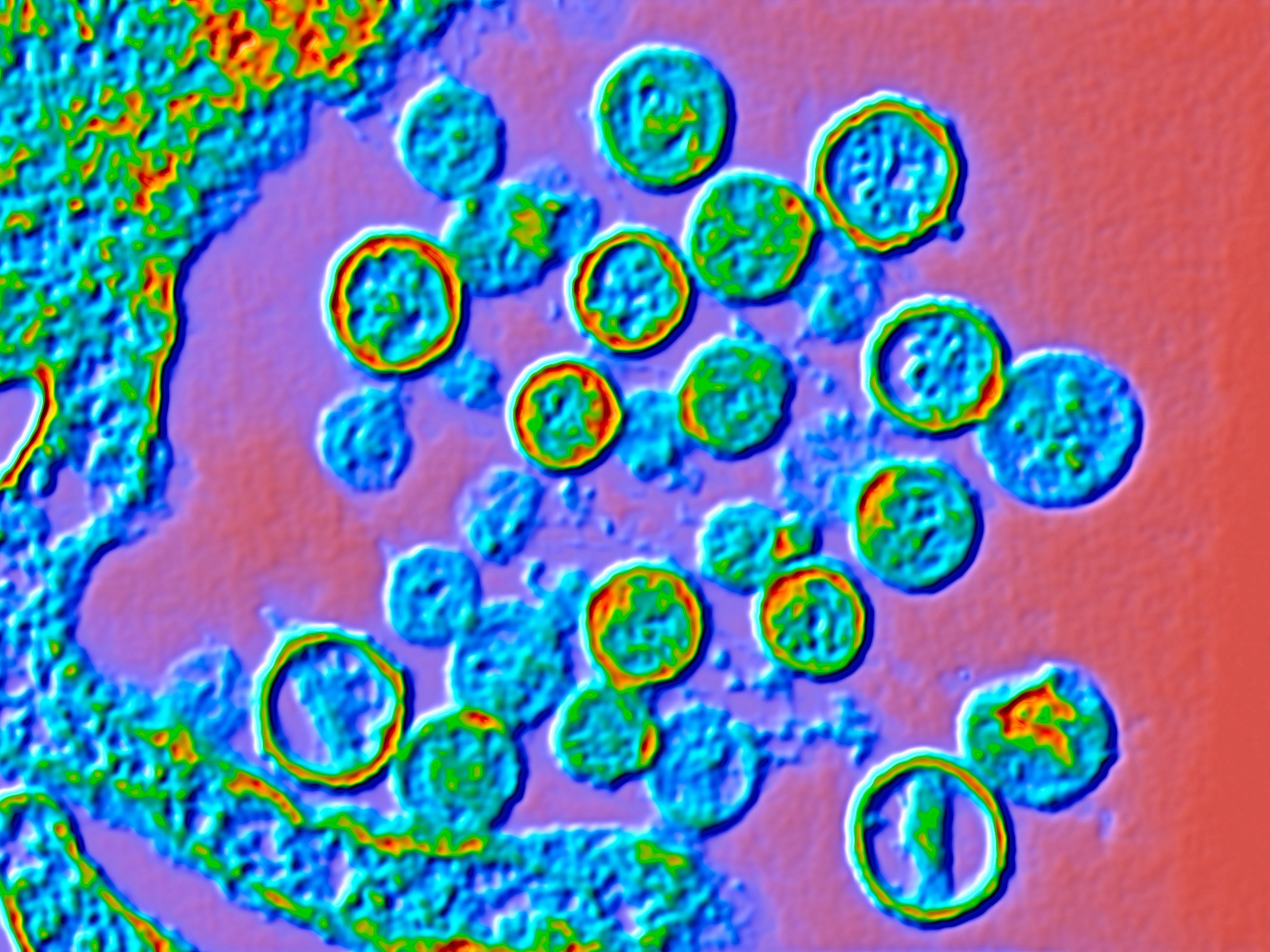
Panic sells. You’ve seen the headlines every time a rare virus pops up in a remote corner of the world. After living through the COVID-19 pandemic, it’s natural to feel a spike of adrenaline when a name like "hantavirus" starts trending on social media. People start looking for masks again. They wonder if they need to stockpile toilet paper. But if you're losing sleep over hantavirus becoming the next global shutdown event, you can breathe a sigh of relief. It’s not going to happen.
Epidemiologists and infectious disease experts have been watching hantaviruses for decades. While the virus is undeniably lethal to the individuals who catch it, it lacks the one "superpower" a virus needs to bring the world to a standstill. It doesn't spread easily from person to person. That single biological hurdle changes everything. In related developments, read about: Pathogen Variance and Containment Logic: Why Hantavirus on Cruise Ships Cannot Scale Like SARS-CoV-2.
The Massive Difference Between Hantavirus and Respiratory Pandemics
To understand why hantavirus won't be the next COVID, you have to look at how it travels. COVID-19 was the perfect storm because it moved through the air. You could catch it by standing in a grocery line or talking to a friend. Hantavirus is a completely different beast.
Usually, humans get hantavirus from contact with infected rodents—specifically their urine, droppings, or saliva. In the United States, the deer mouse is the primary culprit. The virus becomes airborne only when these dried waste products are stirred up, like when you’re sweeping out a dusty old cabin or a shed that’s been closed up for the winter. You breathe in those contaminated particles. It’s localized. It’s specific. Healthline has also covered this critical issue in great detail.
Unless you’re spending your weekends cleaning out mouse-infested barns without a respirator, your risk is remarkably low. Viruses that rely on an animal-to-human jump (zoonotic spillover) without efficient human-to-human transmission rarely cause pandemics. They cause outbreaks. There’s a huge distinction there that the sensationalist news cycle often ignores.
Why Biology Works Against a Hantavirus Pandemic
Evolutionary biology is a game of trade-offs. For a virus to become a pandemic threat, it usually needs to be highly contagious and have a long incubation period where people don't know they're sick.
Hantavirus Pulmonary Syndrome (HPS) has a terrifyingly high mortality rate—around 38% according to the CDC. That’s much higher than COVID-19. But in the world of viruses, being "too deadly" can actually be a weakness. If a virus kills or severely incapacitates its host too quickly, the host doesn't have time to walk around and spread it to twenty other people.
The Missing Link in Transmission
Except for a very specific strain in South America called the Andes virus, there has been almost no documented evidence of hantavirus spreading from one human to another. Even with the Andes virus, the transmission is rare and requires extremely close, prolonged contact. It’s not drifting through the ventilation system of an office building.
Compare this to the early days of 2020. We saw a virus that could hide in the body for days while the host felt fine, all while shedding millions of viral particles. Hantavirus doesn't play it that way. It’s a "dead-end" infection for humans. We catch it from the mice, but the virus usually stops with us. It can't figure out how to navigate our upper respiratory tracts to puff back out into the world.
Real World Risks You Should Actually Care About
Just because it isn't a pandemic threat doesn't mean it’s harmless. If you live in rural areas or work in construction, hantavirus is a legitimate occupational hazard. It’s a localized danger that requires localized common sense.
I’ve seen people go overboard with fear while ignoring the basic steps that actually prevent infection. You don't need a national vaccine program for hantavirus; you need a good pair of gloves and some bleach.
The symptoms often start like a standard flu—fever, muscle aches, and fatigue. But then it takes a sharp turn. After a few days, the lungs start filling with fluid. Shortness of breath becomes severe. Because there is no specific "cure" or "shot" for hantavirus, treatment is mostly supportive care in an ICU. This is why prevention is the only real strategy that works.
How to Stay Safe Without Panicking
If you’re cleaning out an area where mice might have lived, stop reaching for the broom. Sweeping or vacuuming is the worst thing you can do because it flings the virus into the air you breathe.
- Wet it down. Use a mixture of bleach and water to soak any droppings or nesting materials. This kills the virus and keeps the dust settled.
- Wear the right gear. A standard cloth mask isn't enough for heavy cleaning in infested areas. You want an N95 respirator.
- Seal the house. Mice can fit through a hole the size of a pencil eraser. Use steel wool and caulking to block entries.
The Real Pandemic Threats on the Horizon
If you want to worry about something, don't worry about the "mouse virus." Worry about the things that actually have pandemic potential. Scientists are much more concerned about highly pathogenic avian influenza (H5N1) or "Disease X"—a yet-to-be-identified pathogen that could jump from animals to humans with the ability to spread through the air.
Hantavirus is a known quantity. We've known about it since the Korean War, and we had a major outbreak in the Four Corners region of the U.S. in 1993. It hasn't changed its fundamental nature in all that time. It remains a rare, tragic, but contained threat.
The media often conflates "deadly" with "pandemic." Ebola is deadly. Marburg is deadly. Hantavirus is deadly. But none of these are particularly good at hitching a ride on a plane and infecting a city of ten million people before breakfast. They require direct contact with bodily fluids or very specific environmental conditions.
Stop Checking the News for Hantavirus Updates
Honestly, the anxiety caused by "outbreak porn" in the news is probably more damaging to your health than the actual risk of hantavirus. We live in a world where every single case of a rare disease gets pushed to your phone as a "breaking news" alert. It creates a skewed perception of reality.
We should be investing in better public health infrastructure and surveillance to catch the next respiratory virus, but we don't need to treat every zoonotic event like the end of the world. Hantavirus is a reminder that nature is dangerous, but it’s also a reminder that not every germ is built for a global tour.
If you find mouse droppings in your garage tomorrow, don't call the CDC. Grab the bleach, open the windows, and don't stir up the dust. That’s the most "expert" advice anyone can give you. Dealing with hantavirus is about basic hygiene and pest control, not global biosecurity.
Keep your home sealed, keep your sheds clean, and let the scientists worry about the next big one. It won't be coming from a deer mouse in your backyard.