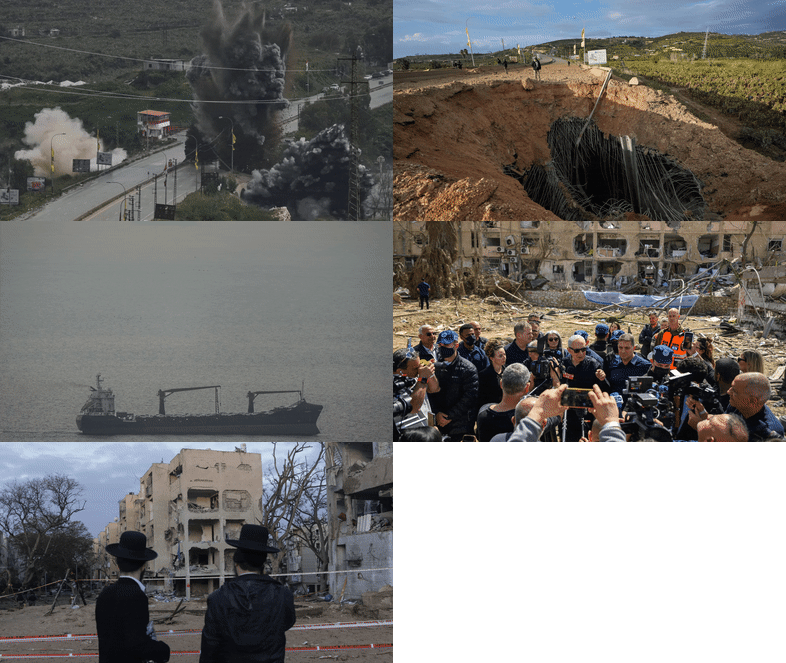
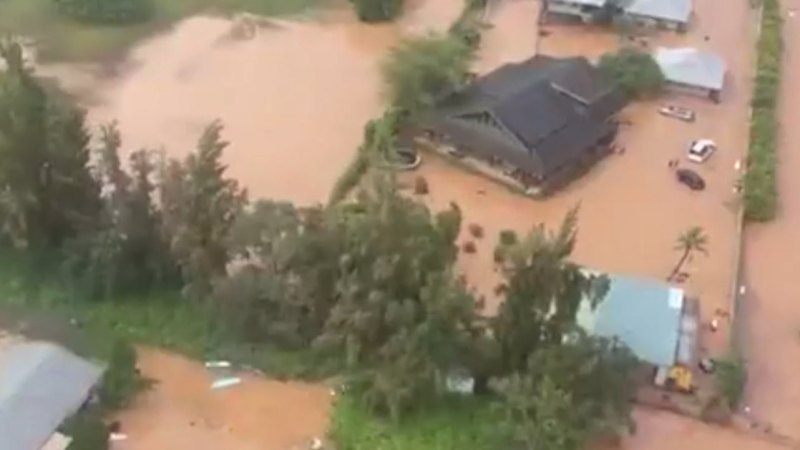
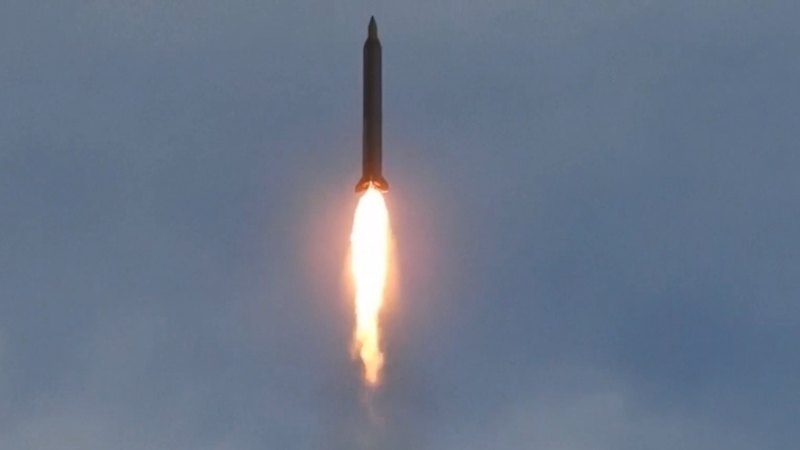
The ultimatum issued by the White House on Saturday night was characteristically blunt. Open the Strait of Hormuz within 48 hours or watch every major power plant in Iran vanish. It is a gamble of historic proportions, but the real danger isn't just a regional blackout or a spike in Brent crude. The terrifying reality is that Tehran has already mapped out the counter-move. If the U.S. and Israel "obliterate" the Iranian grid, Iran has vowed to "irreversibly destroy" the desalination plants and energy systems of its neighbors. For the Gulf Cooperation Council (GCC) nations, this isn't a threat of war. It is a threat of extinction.
In a region where not a single permanent river flows, water is a manufactured commodity. Countries like Qatar, Bahrain, and Kuwait rely on desalination for nearly 90% of their potable water. They are effectively "saltwater kingdoms" that have traded their natural scarcity for a fragile, high-tech dependence on the coast. By threatening these facilities, Iran is targeting the one vulnerability that no amount of Patriot missile batteries can fully shield. If the taps run dry in Dubai, Riyadh, or Kuwait City, the timeline from a modern metropolis to a humanitarian catastrophe is measured in days, not weeks.
The Desalination Death Spiral
The geography of the Gulf is a geographic cage. Most of the region’s massive desalination hubs are clustered along a shallow, narrow strip of water that Iran can reach with short-range drones and ballistic missiles. Operation Epic Fury, the U.S.-led campaign that began in late February, was designed to decapitate the Iranian regime and its nuclear ambitions. Instead, it has backed Tehran into a corner where its only remaining leverage is the systematic destruction of the region's life support systems.
Military analysts call this "infrastructure asymmetric warfare." Iran knows it cannot win a traditional dogfight against F-35s or outgun a U.S. carrier strike group. However, it can launch a swarm of low-cost Shahed drones at the Jebel Ali plant in the UAE or the Al Jubail facility in Saudi Arabia. These plants are sprawling, soft targets. A single successful strike on a high-pressure pump room or a chemical storage tank doesn't just stop production. It can contaminate the entire intake system, rendering the plant useless for months.
The GCC states produce over 22 billion liters of water per day. There is no backup. Groundwater aquifers in the region are either brackish or depleted beyond recovery. If these plants go offline, the strategic depth of the Gulf states evaporates instantly. We are looking at a scenario where some of the wealthiest nations on earth could face a total civilian evacuation because they can no longer provide a glass of water to their citizens.
Trump’s High Stakes Grid Gamble
The White House strategy rests on the belief that the Iranian regime values its own survival above all else. By targeting the "biggest power plants first," the administration hopes to trigger a domestic collapse in Iran before Tehran can follow through on its regional threats. It is a classic "escalate to de-escalate" maneuver.
But this overlooks the sheer desperation in Tehran following the reported death of Supreme Leader Ali Khamenei in the early stages of the conflict. The current military command, led by the Khatam al-Anbiya headquarters, is no longer playing by the old rules of diplomatic signaling. They see the destruction of their energy grid as the final act of the Islamic Republic. In their view, if Iran goes dark, the entire Gulf must go dark with it.
Internal reports from the U.S. Department of War suggest that the 48-hour deadline, which expires Monday night, was intended to force a "Black Monday" of diplomatic panic. Instead, it has triggered a different kind of panic in the markets. Oil prices are already factoring in a total closure of the Strait, but the market has yet to price in the "irreversible destruction" of the refineries and desalination hubs that keep the oil flowing.
The Silent Collapse of Gulf Security
For decades, the Gulf monarchies relied on a simple pact. They provided the energy, and the United States provided the security. That pact has been shredded over the last three weeks.
- Reliance on Desalination: Bahrain and Qatar meet 100% of their municipal water needs through desalination.
- The Power-Water Link: Desalination requires immense amounts of electricity. If the energy plants are hit, the water stops.
- The Response Time: Most Gulf cities have only 3 to 5 days of water storage in their reservoirs.
Arab officials have reportedly warned Washington that they are being sidelined in a war that will be fought on their doorsteps. The frustration in Riyadh and Abu Dhabi is palpable. They are watching a conflict between Washington and Tehran that could leave their "gleaming desert cities" uninhabitable. While the U.S. can retreat behind two oceans, the GCC is stuck in a 21-mile-wide chokepoint with a neighbor that has nothing left to lose.
The Mechanics of an Irreversible Strike
When Iranian military spokesman Ebrahim Zolfaqari mentions "information technology" and "energy infrastructure," he isn't just talking about blowing things up. He is talking about a coordinated kinetic and cyber assault.
Modern desalination plants are marvels of automation. A sophisticated cyberattack on the Industrial Control Systems (ICS) of a plant like Taweelah in Abu Dhabi could cause physical damage by over-pressurizing membranes or disabling cooling systems. Combine this with a physical missile strike on the power substation feeding the plant, and you have a catastrophic failure that cannot be fixed with a simple spare part.
The logistics of repairing these facilities during an active war are impossible. The specialized components required for large-scale Reverse Osmosis (RO) plants are manufactured in a handful of locations globally. With the Strait of Hormuz closed and regional airspaces contested, the supply chain for repairs is non-existent.
The Strategic Petroleum Reserve isn't Enough
The Trump administration has already tapped the Strategic Petroleum Reserve and issued Jones Act waivers to keep domestic shipping moving. These are short-term bandages for a severed limb. The global economy can survive a temporary oil spike, but it cannot survive the permanent removal of the Gulf's refining and export capacity.
If Iran follows through on its threat to target "all energy infrastructure" belonging to the U.S. and its partners, we aren't just looking at higher gas prices. We are looking at the destruction of the infrastructure that has underpinned the global economy since 1945. The "saltwater kingdoms" have spent trillions building a future on the sand, but that future requires two things they may soon lack: a functioning power grid and a peaceful sea.
The 48-hour clock is ticking. By tomorrow night, we will know if the White House’s ultimatum broke the Iranian regime or if it simply broke the Middle East. If the latter happens, the history books won't remember this as a war for democracy or nuclear non-proliferation. They will remember it as the moment the world's most modern cities were defeated by the oldest enemy of the desert: thirst.
Would you like me to analyze the specific missile defense vulnerabilities of the major GCC desalination hubs?