Energy security is a cold-blooded calculation of physics and logistics. It doesn't care about moral grandstanding or geopolitical "opportunities." When Colombian Environment Minister Susana Muhamad argues that Middle Eastern instability should accelerate the energy transition, she isn't offering a strategy. She is peddling a dangerous fantasy that confuses a supply chain catastrophe with a policy victory.
The "lazy consensus" suggests that high oil prices and regional conflict are the ultimate catalysts for a green revolution. The logic goes: if fossil fuels are volatile and expensive, the world will naturally pivot to wind and solar.
This is wrong. It is backward. In reality, the very crises used to justify a rapid transition are the exact forces making that transition impossible to execute.
The Infrastructure Trap
Advocates of a forced transition ignore a fundamental law of industrial scale: you cannot build a new energy system using the energy system you are trying to destroy.
Every wind turbine, every lithium-ion battery, and every high-voltage transmission line starts its life in a furnace powered by coal or gas. The mining equipment required to extract copper in Chile or cobalt in the DRC runs on diesel. When Middle Eastern tensions spike, the cost of the "green" transition doesn't stay flat while oil goes up. It skyrockets.
I have seen projects in the Andean region stall for years because the cost of specialized steel—forged in gas-fired plants—rose by 40% during a period of market volatility. You don't "speed up" a transition when your capital expenditures are tied to the volatility of the very commodities you’re trying to exit. You just bankrupt your domestic industry.
Colombia’s Self-Inflicted Wound
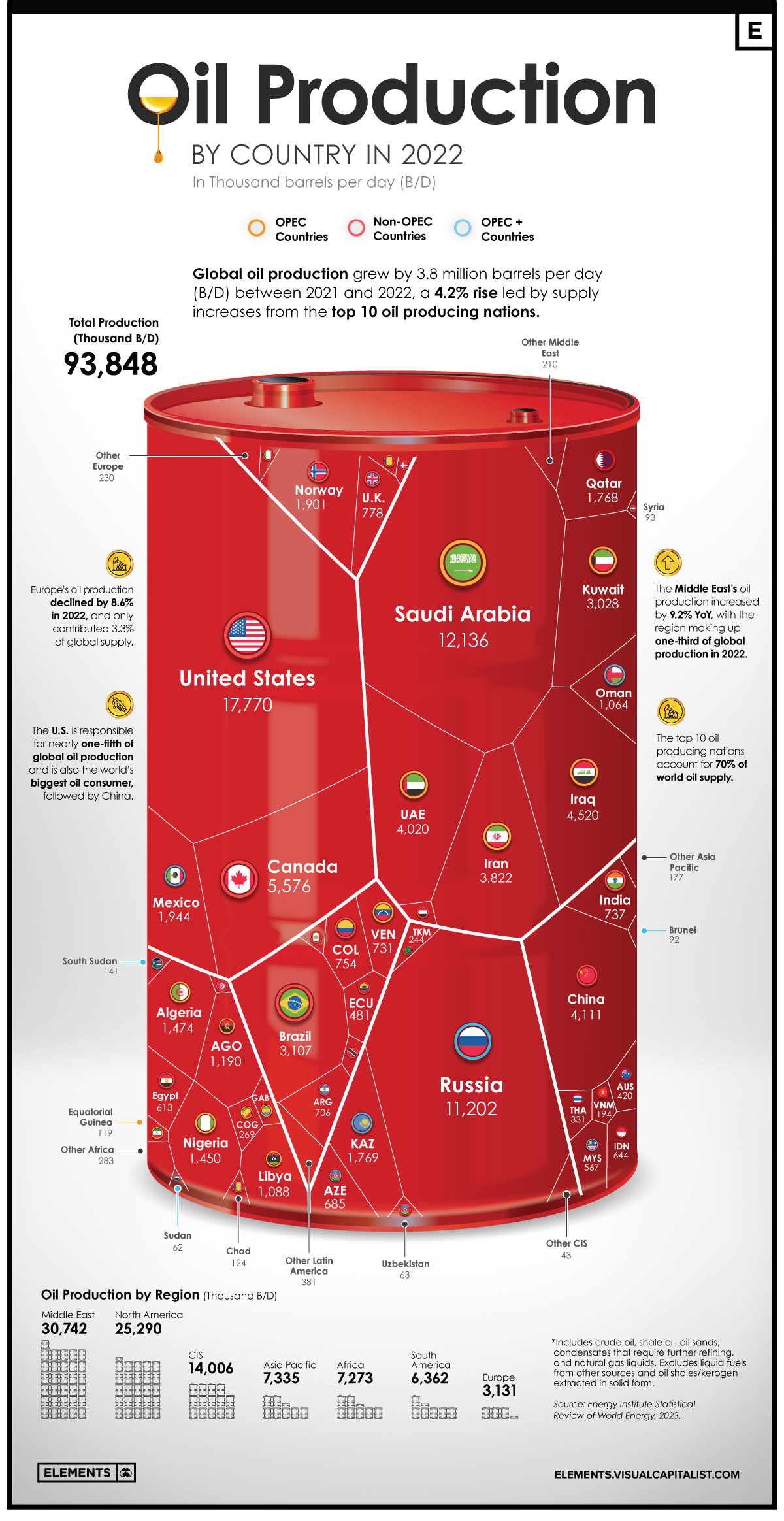
Minister Muhamad’s stance is particularly reckless for a nation like Colombia. The country is currently flirting with an energy deficit while sitting on massive untapped reserves.
The argument that global instability makes Colombian oil and gas "obsolete" ignores the basic math of the balance of trade. Colombia relies on hydrocarbon exports to fund its social programs. To suggest that a global crisis is a reason to stop exploration is to suggest that a family should stop working because the grocery store raised its prices.
If Colombia stops producing, the global demand doesn't vanish. It simply shifts to regimes with lower environmental standards and higher transport costs. This isn't environmentalism. It’s carbon leakage masquerading as virtue.
The Myth of Intermittent Security
The premise that "renewables equals independence" is a superficial reading of national security.
- Oil and Gas: Highly dense, easily stored, and transportable via existing global infrastructure.
- Solar and Wind: Dependent on a supply chain for rare earth elements dominated almost entirely by a single player: China.
Swapping a dependence on Middle Eastern oil for a total reliance on Chinese processed minerals isn't "energy sovereignty." It’s changing landlords while the house is on fire.
Imagine a scenario where a global trade war shuts down the supply of high-grade silicon or processed lithium. A country that has dismantled its thermal power base in favor of an unbuffered renewable grid won't just face high prices. It will face a total collapse of its industrial capacity. You can't run a steel mill on "intermittent hopes" when the battery storage tech hasn't reached the required scale of $GWh$ (Gigawatt-hours) necessary to back up a national grid.
The E-E-A-T Reality Check: Why This Fails
I’ve sat in rooms where bureaucrats talk about "just transitions" while ignoring the $LCOE$ (Levelized Cost of Energy) reality.
Renewables are cheap at the point of generation, but they are incredibly expensive at the point of integration. To make a grid 80% renewable, you don't just buy panels. You have to rebuild the entire distribution network. You need synchronous condensers to manage grid frequency. You need massive overbuilding to account for low capacity factors.
The Minister's rhetoric assumes that the transition is a simple "on/off" switch triggered by high oil prices. It’s actually a decades-long engineering marathon that requires massive amounts of cheap, stable energy to complete. By trying to "speed up" during a crisis, you are attempting to run a marathon while starving yourself.
Dismantling the "People Also Ask" Fallacies
Does high oil price make EVs more attractive?
Only if the electricity used to charge them isn't also rising in price. In many regions, the marginal megawatt of power is still generated by natural gas. When gas prices spike due to global conflict, the "savings" of an EV vanish. Furthermore, the purchase price of the EV rises because the manufacturing process is energy-intensive.
Can Colombia lead the world in a green transition?
Not without cratering its currency. The Colombian Peso is highly sensitive to oil exports. Removing that floor without a pre-existing, high-value export replacement (which doesn't exist yet) leads to hyper-inflation. You cannot buy solar panels with a worthless currency.
The Hard Truth About Decoupling
The Middle East crisis doesn't prove we need to move faster. It proves we moved too soon without a safety net.
The obsession with "acceleration" during times of chaos is a psychological coping mechanism, not a policy. True energy security is found in redundancy, not replacement. A secure nation maintains a diverse portfolio of hydro, thermal, and nuclear power. It uses its fossil fuel wealth to build the future, rather than burning the bridge while it's still standing on it.
Stop listening to ministers who treat the national power grid like a sociology project. Energy is a commodity of survival. If you sacrifice reliability for the sake of a narrative during a global crisis, you won't get a green utopia. You’ll get a de-industrialized wasteland.
The transition won't happen because we hate oil. It will happen when we have an alternative that is denser, cheaper, and more reliable. Until then, every "acceleration" is just a faster path to a blackout.
Build the nuclear plants. Secure the gas pipelines. Drill the wells. Use the profits to fund the R&D for the next century. Anything else is just a slow-motion surrender.