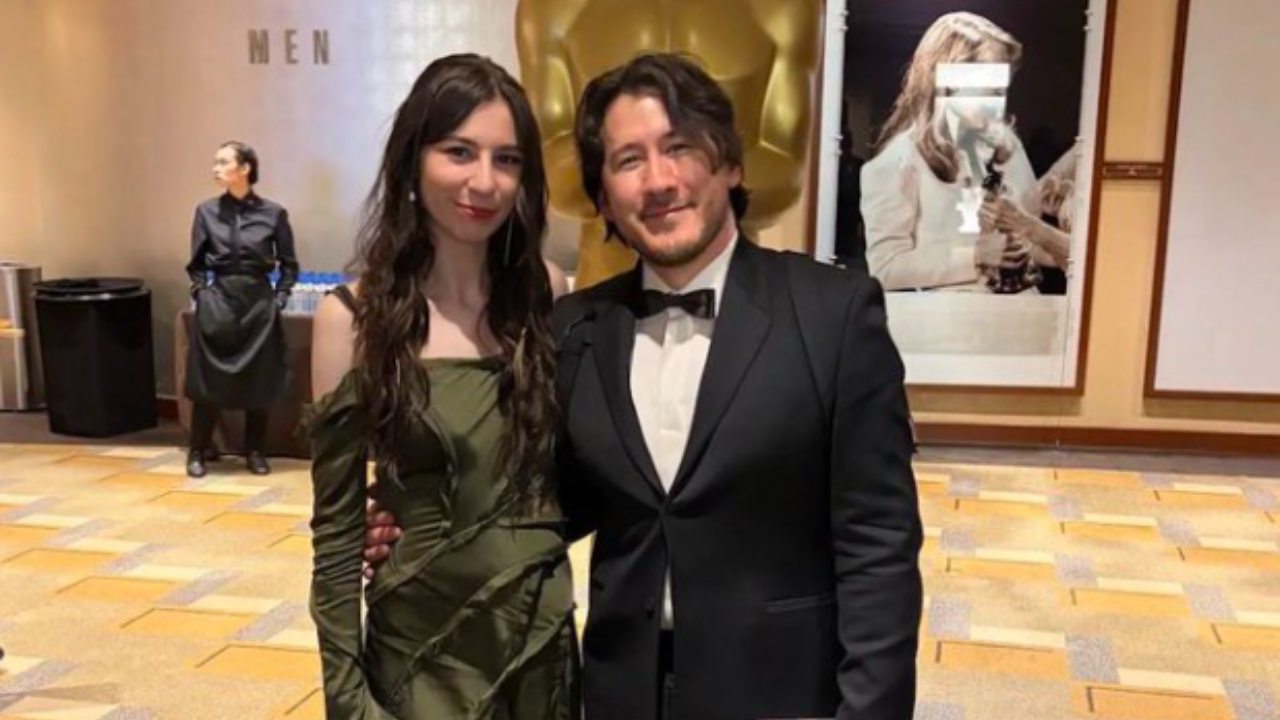
Imagine a small, smoke-thickened room in 1929. A few dozen men in stiff collars sit around dinner tables at the Hollywood Roosevelt Hotel. They hand out a few pieces of gold-plated bronze. The ceremony lasts fifteen minutes. It is a private pat on the back, a corporate handshake designed to keep unions at bay and ensure the studio bosses remain the undisputed kings of the hill.
We were never supposed to care this much.
Yet here we are, decades later, treating a twelve-inch statuette as the final arbiter of human artistic worth. We have been conditioned to believe that the "Best" anything requires a stamp of approval from a committee of aging voters in Los Angeles. We watch the red carpet with a desperate, vicarious hunger, hoping our favorite rebels will finally be invited into the palace.
But the rebels don't need the palace. They never did.
The Myth of the Validation Engine
Consider the "Sinner." Not the theological kind, but the cinematic one—the director who refuses to round off the jagged edges of their vision, the actor who inhabits a role so ugly and honest that it makes the Academy's board of governors flinch. These are the artists who build the foundation of culture while the awards show handles the interior decorating.
When a film like Saving Private Ryan loses to Shakespeare in Love, or when Hitchcock spends a lifetime being passed over for the top prize, we treat it as a cosmic injustice. We scream at our screens. We write think-pieces about "snubs."
The error isn't in the Academy's choice. The error is in our belief that the choice matters.
The Academy Awards are a marketing engine, a legacy branding exercise that transforms art into a sport. It creates a hierarchy where none exists. It suggests that a quiet, contemplative Korean drama and a bombastic American epic can be measured against one another like sprinters in a hundred-meter dash. It is a category error of the highest order.
The Invisible Stakes of the Underground
True greatness usually happens in the dark, long before the flashbulbs start popping. It happens when a screenwriter chooses a difficult ending over a test-audience-approved one. It happens when a cinematographer decides to shoot in a way that feels uncomfortable because it’s the only way to capture the truth of a scene.
These artists are the Sinners. They "sin" against the conventions of the industry. They break the unwritten rules of likability.
Take a look at the history of the films that actually changed your life. Think of the movies that shaped your identity, the ones you quote with friends or turn to when your heart is breaking. How many of them won Best Picture?
The films that endure are rarely the ones that played it safe enough to garner 50.1% of a preferential ballot. Endurance is fueled by obsession, not consensus. Consensus is the enemy of the avant-garde. It is the beige paint of the creative world.
The Weight of the Statue
There is a hidden cost to the pursuit of the gold. When a filmmaker begins to create with the "Oscar Clip" in mind, the art begins to rot from the inside out. You can see it in the forced tears, the swelling orchestral scores that tell you exactly how to feel, and the "important" subject matter handled with all the nuance of a sledgehammer.
This is the tragedy of the validation trap. It turns creators into politicians. They spend months on the campaign trail, shaking hands and kissing babies, trying to convince a specific demographic that their movie is the most virtuous.
But virtue isn't art.
Greatness is often found in the messy, the unresolved, and the morally ambiguous. It is found in the characters who don't learn a lesson and the stories that don't provide closure. The Academy, by its very nature, struggles to reward the unresolved. It wants a narrative arc that ends in a standing ovation.
The Sinners—the Scorseses for most of his career, the Kubricks, the Lynches—operate on a different frequency. They aren't looking for a trophy to put on a mantle. They are looking for a way to scream into the void and hear an echo back.
The Audience's Role in the Deception
We are complicit. We love the horse race. We love the glamour and the high-stakes drama of the envelope opening. It’s a television show about movies, and as a television show, it’s often quite good.
The danger arises when we confuse the show with the reality of the medium.
When we say a performer "finally" got what they deserved, we are implying that their work was somehow incomplete until it was validated by a trade organization. We are suggesting that the performance itself wasn't enough.
But the performance is everything. The work is the reward.
If an actor delivers a turn that moves a million people to tears or forces a generation to rethink their place in the world, what could a gold-plated statue possibly add to that? It’s like trying to improve the sun by shining a flashlight on it.
The Ghost of the Masterpiece
Think of the films that were ignored in their time. The Shawshank Redemption was a box-office flop and went home empty-handed on Oscar night. Blade Runner was misunderstood. The Thing was loathed.
These films didn't need a ceremony to become pillars of the cultural zeitgeist. They survived because they possessed an internal combustion engine of pure, raw intent. They were made by people who were willing to be "Sinners" against the trends of their era.
We often forget that the Academy is a reflection of its time, not a predictor of the future. It rewards what is comfortable now. Art, at its best, is about what is uncomfortable always.
Beyond the Red Carpet
The next time the lights dim and the music starts, remember that the most important work being done in cinema right now is likely being ignored by the people in that room. It’s being made by someone with a camera and a dream that doesn't fit into a tidy category. It’s being made by someone who isn't afraid to fail, who isn't afraid to be hated, and who certainly isn't waiting for an invitation to the ball.
The greatness of the Sinner lies in their independence. They are the ones who push the boundaries of what is possible, who find beauty in the gutter and truth in the shadows. They don't need a pedestal because they are already standing on the bedrock of their own conviction.
The gold will eventually flake. The speeches will be forgotten. The red carpets will be rolled up and stored in a warehouse in the Valley.
But the fire of a truly great, unvalidated story? That stays hot forever.
The light in a dark theater begins to fade. The credits roll. You walk out into the cool night air, your mind buzzing with images you can’t quite shake. You don't check your phone to see if the movie won an award. You don't care about the critics' consensus or the box office returns. You only know that for two hours, you were somewhere else. You were changed. That feeling, that visceral shift in your soul, is the only trophy that has ever mattered.
The statue is just metal. The movie is the miracle.