The air inside the Eccles Building in Washington D.C. always feels a few degrees cooler than the humid swamp outside. It is a marble-and-limestone fortress designed to exude a specific kind of silence. This is the silence of deliberation. It is the quiet of men and women who believe that if they just get the decimal point right, the world will remain upright.
Kevin Warsh knows this silence well. He has walked these halls before, the youngest ever to be appointed to the Federal Reserve Board of Governors. Now, his name is being whispered again, this time for the top job. The Chair. The person who, with a single sentence at a podium, can shift trillions of dollars of wealth across the globe. But as Warsh prepares for a potential return, the world outside those marble walls is screaming.
Imagine a single mother in a suburb of Ohio, staring at the digital numbers on a gas pump as they climb past fifty dollars. She doesn’t know who Kevin Warsh is. She doesn’t track the yield on the 10-year Treasury note. What she knows is that the cost of her life is untethered. This is the human face of inflation, and it is the shadow that follows every move a Fed Chair makes. When we talk about interest rates, we are actually talking about her ability to buy eggs and milk.
The dilemma Warsh faces isn't just a matter of domestic policy. It is a collision of high finance and high-stakes warfare.
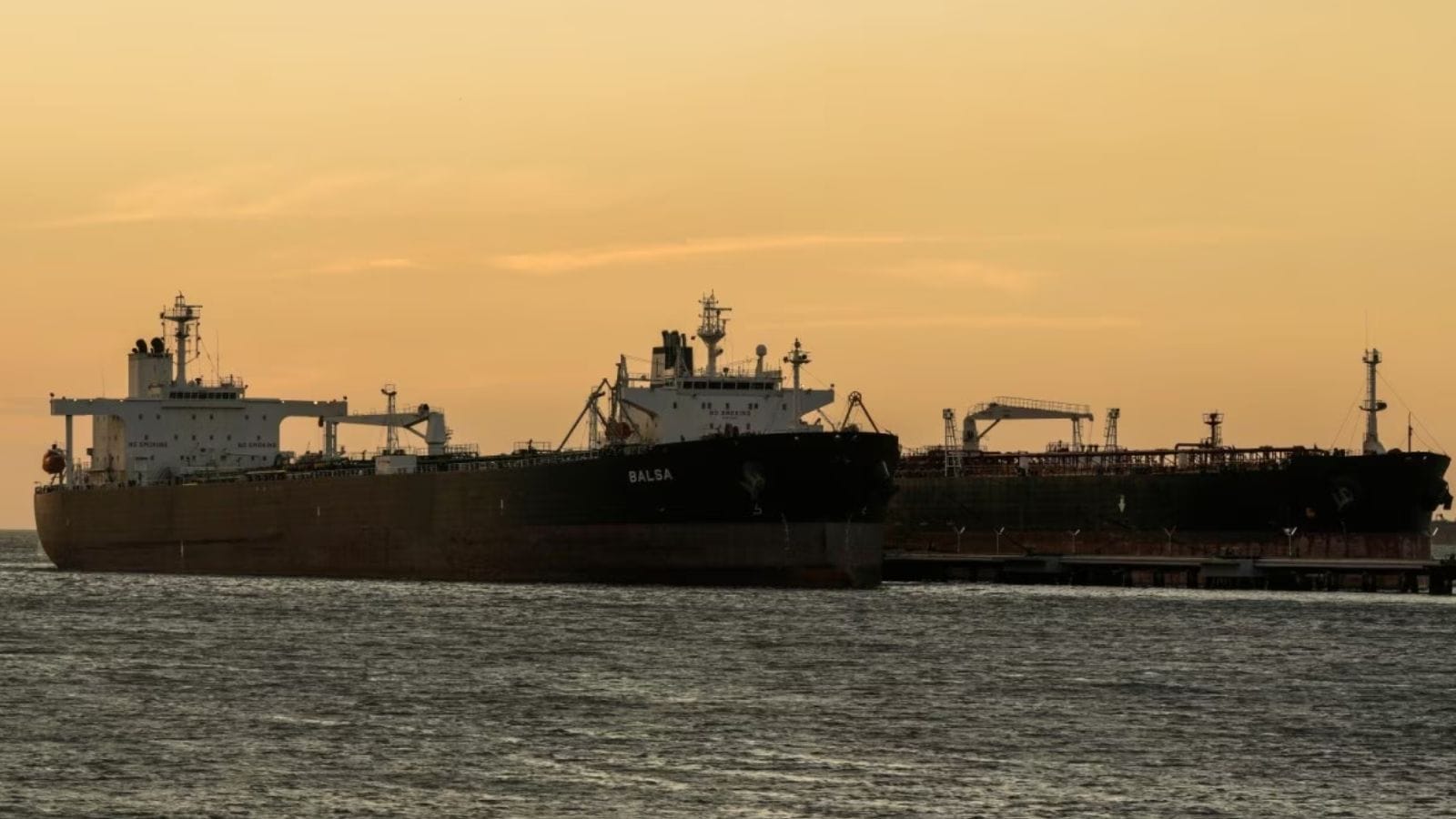
As tensions with Iran escalate toward the brink of open conflict, the global economy isn't just "shaken." It is being rewritten. In the cold language of economics, a war in the Middle East is a "supply shock." In reality, it is a nightmare of closed shipping lanes in the Strait of Hormuz and skyrocketing energy costs that ripple through every supply chain on the planet.
The Architect in the Eye of the Storm
Warsh has long been a critic of the Fed’s recent path. He has argued that the central bank has become too predictable, too codependent with Wall Street. He speaks of a "regime change" in monetary policy—a shift away from the era of easy money and toward something more disciplined.
But discipline is a hard sell when the drums of war are beating.
Think about the levers of power. If Warsh takes the seat and Iran closes the taps on oil, inflation will spike. Traditionally, a Fed Chair would raise interest rates to cool that fire. But doing so during a war is like trying to perform surgery on a patient who is currently being chased by a bear. Raise rates too high, and you crush the economy while it’s already reeling from high energy costs. Keep them too low, and the dollar loses its soul, leaving that mother in Ohio unable to keep up with the cost of existence.
This is the invisible stake. It isn’t about numbers on a Bloomberg terminal; it’s about the social contract. If the Fed cannot maintain the value of the currency while the nation is at or near war, the trust that holds a society together begins to fray. Warsh is essentially auditioning to be the captain of a ship that is heading directly into a hurricane, and everyone is arguing about whether he should turn the wheel left or right.
The Ghost of 1979
History has a cruel way of repeating its most painful chapters. To understand the gravity of the Warsh nomination, one has to look back at Paul Volcker. In the late 1970s, the U.S. was mired in stagflation—a toxic mix of stagnant growth and rampant price increases. The Iranian Revolution had sent oil prices into the stratosphere.
Volcker arrived with a sledgehammer. He raised interest rates to heights that seem fictional today—reaching $20%$ in 1981. It was brutal. It caused a deep recession. Farmers protested by driving their tractors to the Fed’s doorstep. But it worked. He broke the back of inflation and set the stage for decades of prosperity.
Warsh is often viewed as a student of that era. He understands that a central bank’s most precious asset isn't gold or digital currency—it’s credibility. If the public stops believing the Fed can control prices, the game is over.
But there is a difference between the 1980s and now. In Volcker’s time, the national debt was a fraction of what it is today. Now, every percentage point increase in interest rates adds hundreds of billions of dollars to the cost of servicing the U.S. government's debt.
Consider the math. It is a trap. If Warsh raises rates to fight war-driven inflation, he makes it harder for the government to fund its own defense. He becomes the man who makes the war more expensive while making the citizens poorer. It is a lonely position to hold.
The Human Cost of High Finance
We often speak of "the markets" as if they are a sentient, weather-like force. They aren't. The markets are just a collection of human fears and hopes expressed in trade. When rumors of a Warsh nomination circulate, those fears and hopes react instantly.
Investors who want stability like his pedigree. He knows the White House; he knows the Treasury; he knows the private equity world. He is a creature of the system who claims to want to fix the system. But there is a deep skepticism among those who feel the Fed has spent the last decade protecting the wealthy at the expense of everyone else.
If a conflict with Iran breaks out, the "wealth effect"—the idea that people spend more when their stock portfolios look good—will evaporate. People will hunker down. They will stop buying houses. They will delay starting businesses.
Warsh’s dilemma is whether he can be the "tough" Chair the economy might need without breaking the very people he is supposed to protect. It’s the difference between being a mechanic and being a gardener. A mechanic replaces parts; a gardener understands that if you cut too deep, the plant dies.
The Shadow of the Oval Office
Independence is the holy grail of the Federal Reserve. The Chair is supposed to be insulated from politics. They are the "adult in the room" who takes away the punch bowl just as the party gets going.
But no one is truly independent when the world is on fire.
The pressure on Warsh would be immense. From one side, a President facing a war would want low interest rates to keep the wheels of industry turning and the public from revolting over a tank of gas. From the other, the ghost of Volcker would be whispering that he must protect the dollar at all costs.
This isn't a technical puzzle. It’s a character test.
It is easy to be a brilliant economist in a classroom. It is much harder to be the person who has to tell a nation they must endure more pain now to avoid a total collapse later. This is why the "nominee" phase is so different from the "Chair" phase. Right now, Warsh is a set of ideas. Once he sits in that chair, he is a target.
The Looming Horizon
The Strait of Hormuz is only 21 miles wide at its narrowest point. Through that tiny gap flows a fifth of the world’s liquid petroleum. If a missile flies or a mine is laid, the shockwaves will reach every kitchen table in America in less than forty-eight hours.
That is the reality Kevin Warsh is stepping into.
He isn't just managing a bank. He is managing a psyche. He is trying to convince a skeptical public and a volatile market that someone is actually in control of the wind.
We often look at these appointments as bureaucratic theater. We see photos of men in dark suits carrying leather briefcases and we assume the world is orderly. But beneath that order is a frantic struggle to balance the unbalanceable.
If war comes, the Fed Chair becomes a wartime commander of a different sort. Their weapons aren't drones or tanks; they are basis points and open market operations. But the casualties are just as real. They are the lost savings of retirees, the shuttered dreams of small business owners, and the slow, grinding erosion of the middle class.
The marble walls of the Eccles Building are thick, but they aren't soundproof. Eventually, the reality of a world in conflict reaches even the quietest rooms of power.
The man who takes the gavel next won't just be signing his name to policy papers. He will be deciding who wins and who loses in an era where the old rules have been burned. Kevin Warsh knows the price of the seat. He knows the weight of the silence.
He just has to decide if he’s willing to carry it while the floor is shaking.