Broadcast news exists in a state of perpetual friction between the raw reality of a live event and the polished narrative required by a specific audience. When Fox News issued an apology for airing an outdated clip of Donald Trump—specifically one where his signature headwear was missing—it wasn't just a technical glitch. It was a failure of the invisible machinery that keeps political branding consistent. In the high-stakes environment of national cable news, the wrong five seconds of footage can dismantle hours of carefully constructed messaging.
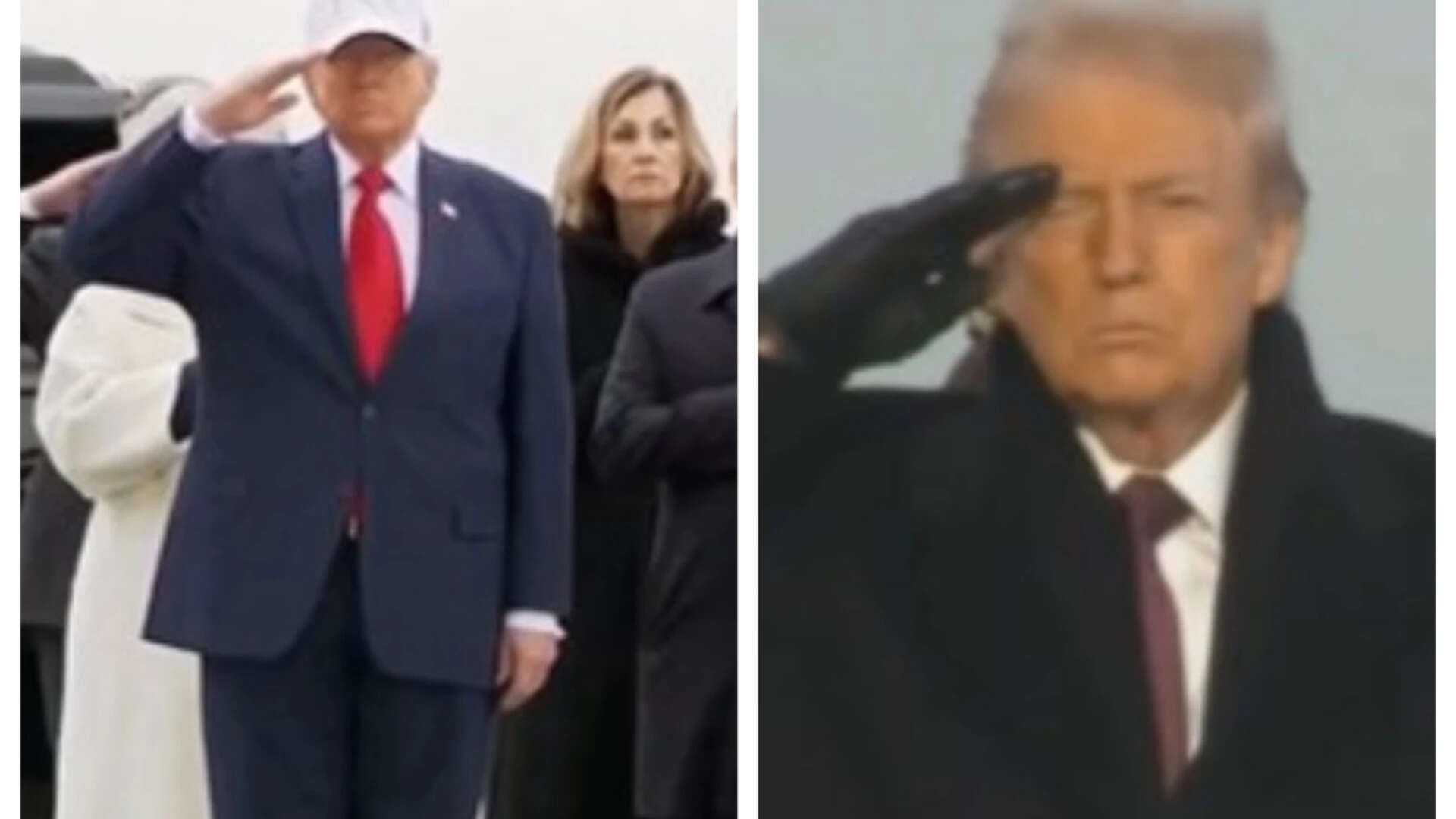
The incident centered on a specific editorial choice during a segment covering a Trump rally. Instead of using the live feed or recent high-definition footage of the candidate in his current campaign aesthetic, the control room pulled an older clip. The discrepancy was immediately flagged by viewers and the Trump campaign alike. The "wrong" clip depicted a version of the candidate that didn't align with the current visual identity being pushed by his team. While a spokesperson for the network cited a "mistake" in the fast-paced production cycle, the backlash highlights a deeper truth about how modern political media functions.
The Architecture of the Visual Narrative
Every second of airtime is a product of intense curation. Producers work within a digital ecosystem where thousands of hours of archival footage are indexed by keywords, dates, and visual tags. When a segment producer calls for a "Trump rally clip," the system offers a buffet of options. The error in this case reveals the cracks in the automated and semi-automated workflows that define modern newsrooms.
The production of a news segment involves a chain of command that starts with the executive producer and ends with the technical director. Between them are the media ingest specialists and the video editors. They use sophisticated Media Asset Management (MAM) systems to retrieve content.
In the rush to hit a "hard out" for a commercial break, the verification process can fail. A producer might select a clip based on the audio quality without scrutinizing the visual details, such as the specific hat the candidate is wearing or the background signage. For a candidate whose brand is built on visual consistency, these details are not trivial. They are the brand.
Why Branding Dictates the News Cycle
Donald Trump’s political identity is arguably the most disciplined visual brand in American history. From the specific shade of red on his hats to the lighting of his stages, every element is designed to be instantly recognizable. When a network—even one generally perceived as friendly to his cause—airs footage that deviates from this "look," it creates a cognitive dissonance for the target audience.
The "hat" isn't just an accessory; it is a symbol of a specific era and a specific movement. By showing the candidate without it, or in a version of it that feels "off," the network inadvertently signals a lack of alignment. This is why the apology was so swift. In the business of cable news, the product isn't just information. The product is the relationship between the network and its viewers’ expectations.
The Technical Reality of Live Television Mistakes
While critics often look for a conspiracy, the reality of the newsroom is often more mundane and chaotic. Digital video servers are prone to human error, especially when filenames are similar. A clip labeled "Trump_Rally_Final_01" looks very much like "Trump_Rally_Final_2024_01" in a high-pressure environment.
The control room is a theater of split-second decisions. The technical director sits at a massive switcher, a board with hundreds of buttons, each corresponding to a different camera angle, server, or graphic overlay.
If the "preview" monitor shows the correct clip but the "program" bus triggers the wrong server path, the mistake is broadcast to millions before anyone can hit a kill switch. This is the "ghost in the machine" that haunts every live broadcast. The apology is the only way to patch the hole in the viewer's trust.
The Rise of Selective Editing and Audience Policing
We have entered an era where the audience is as much a part of the quality control process as the network’s own standards and practices department. Social media allows for real-time fact-checking of visual data. Within minutes of the wrong clip airing, side-by-side comparisons were circulating online.
This hyper-vigilance from the public forces networks into a defensive posture. They are no longer just reporting the news; they are managing a 24-hour feedback loop. When Fox News apologized, they weren't just correcting a factual error. They were acknowledging that their audience is paying attention to the most minute details of the visual presentation.
The Problem of Historical Erasure
There is a darker side to this demand for visual perfection. If networks are bullied into only showing the "approved" version of a political figure, the historical record becomes sanitized. The "wrong" clip was, at some point, the "right" clip. By apologizing for showing a candidate in a different light, the network inadvertently validates the idea that only the current, curated image is legitimate.
This creates a feedback loop where politicians can effectively dictate which versions of themselves are allowed to exist on screen. If a network fears a backlash for showing an "unfiltered" or "unapproved" moment, they will default to the B-roll provided by the campaign itself. This isn't just a Fox News issue; it is an industry-wide trend toward the commodification of political imagery.
The Logistics of Media Management
To understand how these errors occur, one must look at the backbone of the newsroom. Modern news production relies on a workflow that looks like this:
| Stage | Responsibility | Potential for Error |
|---|---|---|
| Ingest | Media Managers | Incorrect metadata tagging |
| Editing | Video Editors | Using "placeholder" clips that aren't replaced |
| Playback | Technical Director | Triggering the wrong server channel |
| Monitoring | Standards & Practices | Missing visual cues in favor of legal compliance |
This hierarchy is designed for speed, not necessarily for nuance. When a story breaks, the goal is to get images on the screen as fast as possible. In that environment, the difference between a 2020 rally and a 2024 rally can be as subtle as the color of a tie or the slogan on a hat.
The Cost of the Correction
Every time a major network issues a public apology for a technical error involving a political figure, it erodes the perceived authority of the medium. It suggests that the newsroom is not in full control of its own output. For Fox News, the stakes are particularly high because their audience demands a level of loyalty that goes beyond mere reporting.
The apology serves as a temporary truce. It tells the campaign and the viewers, "We see what you see, and we promise to be more careful with the brand." But the underlying issue remains. As long as news production is a race against the clock, the wrong button will be pushed, the wrong file will be loaded, and the visual narrative will continue to fracture.
Software as the New Editor
We are moving toward a future where AI-driven image recognition will likely prevent these mistakes. New tools can scan footage in real-time and flag it if the visual elements don't match the metadata. If the script says "2024 Rally" but the software detects a 2016 banner in the background, the system will prevent the clip from being sent to the live bus.
However, this technology brings its own set of problems. If we rely on algorithms to ensure visual consistency, we are essentially building a digital "filter" that prevents any "off-brand" moments from ever reaching the air. The mistake that Fox News made was human. The solution, increasingly, is not.
The tension between what happened and what was supposed to be shown is the defining conflict of modern media. Networks are no longer just windows into the world; they are architects of a specific reality. When a "wrong" clip airs, we get a rare, unvarnished look at the scaffolding behind the screen. It is a reminder that everything we see is a choice, and sometimes, those choices are made by a tired producer in a dark room at 3:00 AM.
The next time you see a correction on a major network, look past the apology. Look at what they were trying to hide, or what they were trying to project. The error isn't the story. The frantic effort to fix it is.
Ensure your media monitoring tools are set to flag visual discrepancies, not just keyword mentions, to avoid similar branding pitfalls in your own distribution channels.