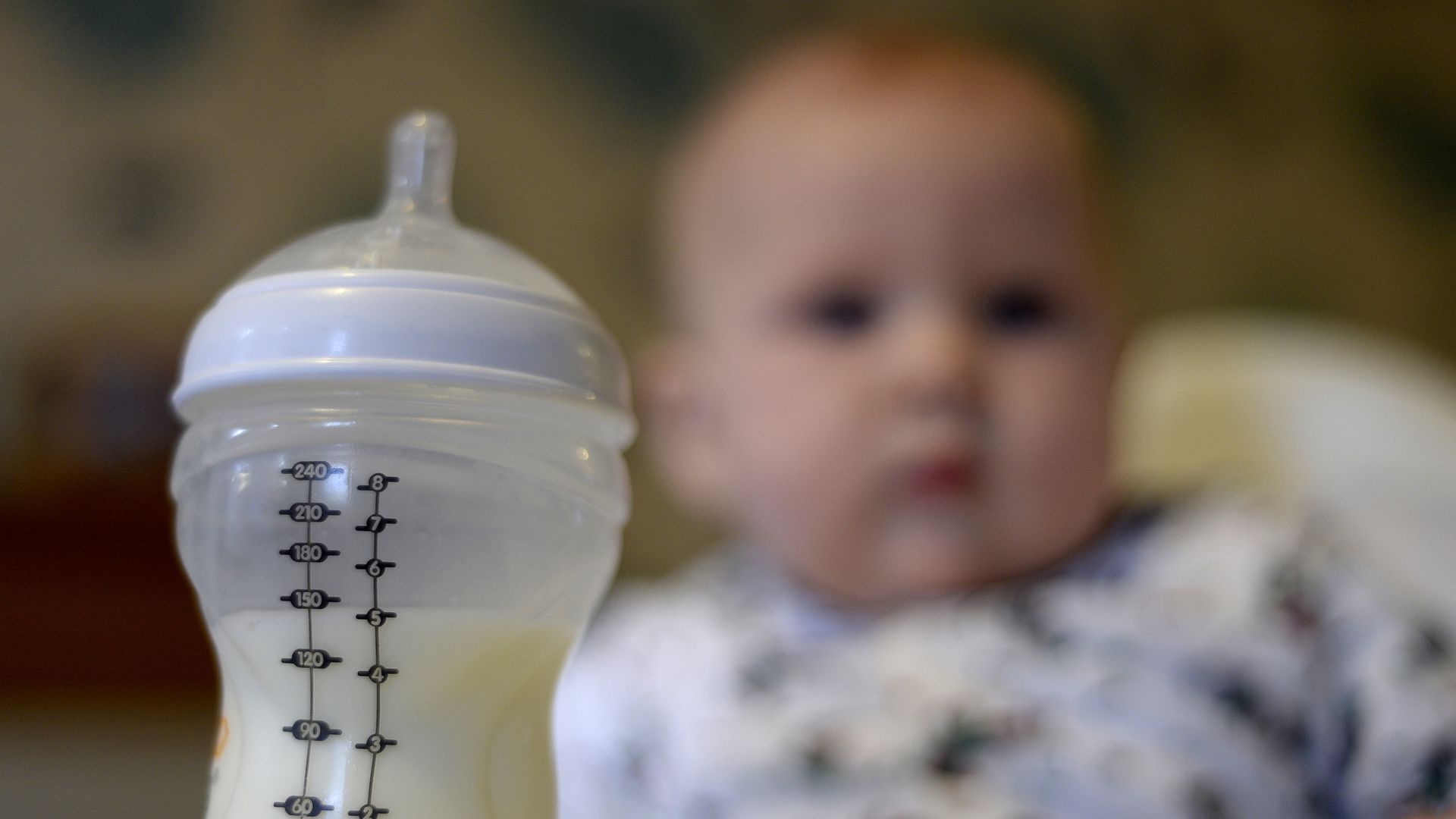
Fear is the most profitable product in the baby aisle.
When headlines scream about sixty sick babies linked to toxic formula, the collective reflex is a predictable mix of outrage and demands for tighter regulation. We want a villain. We want a CEO in handcuffs. We want a brand to burn. But the "toxic formula" narrative is a dangerous oversimplification that ignores the cold, biological reality of neonatal care.
If you think the problem is just "bad batches" or corporate greed, you are missing the systemic rot. The real tragedy isn't just a failure of manufacturing; it is a failure of our understanding of microbial environments and the impossible standard we set for a product that can never be sterile.
The Sterility Lie
Most parents believe that when they open a tin of powdered infant formula (PIF), they are handling a sterile medical product. They aren't.
PIF is a non-sterile food product. By its very nature, it cannot be subjected to the high-heat sterilization processes used for liquid concentrates without destroying the delicate proteins and vitamins required for infant development. The industry knows this. The regulators know this. Yet, the public is sold a vision of laboratory purity that doesn't exist.
The "toxic" label usually refers to Cronobacter sakazakii or Salmonella. These aren't exotic poisons leaked from a rusty pipe; they are environmental pathogens. Cronobacter is remarkably hardy. It can survive in extremely dry conditions for up to two years. It hides in the nooks of factories, yes, but it also lives in your kitchen, on your countertops, and in the "organic" wooden spoon you use to stir the bottle.
When sixty babies get sick, the media treats it like a localized manufacturing fluke. The truth? We are playing a statistical game of Russian roulette every time we treat powdered formula like a zero-risk substance.
Regulation is a Blunt Instrument
The loudest voices always call for more FDA oversight. This is a "lazy consensus" move.
I have watched regulatory bodies move into facilities after a breakout. They don't find a "smoking gun" of malice; they find the inevitable friction of mass production. Tightening regulations sounds great in a press release, but in practice, it often leads to the exact supply chain collapses we saw in 2022. When you create a regulatory environment so stifling that only two or three massive conglomerates can afford to play, you create a single point of failure.
When one plant goes down because of a trace amount of bacteria found in a floor drain—not even in the product—the entire nation’s supply vanishes.
The result? Parents resort to "home-brew" recipes found on TikTok or dilute their remaining formula to make it last. These actions kill and maim far more infants than Cronobacter ever will. By chasing the ghost of absolute purity, regulators inadvertently trigger a much larger public health crisis.
The Cronobacter Thought Experiment
Imagine a scenario where a factory achieves 100% microbial purity. The tin leaves the facility in a vacuum-sealed, irradiated state.
Now, imagine the exhausted parent at 3:00 AM. They scoop the powder with a hand that hasn't been scrubbed for a full sixty seconds. They use water that was boiled but then sat out for twenty minutes. They use a bottle that was "cleaned" in a dishwasher that hasn't had its filter changed in six months.
The "toxic" element wasn't in the tin. It was in the environment.
By hyper-focusing on the manufacturing link, we ignore the education link. The World Health Organization (WHO) actually recommends preparing formula with water no cooler than 70°C (158°F) to kill potential pathogens. How many American parents are told this? Almost none. Why? Because US brands are terrified of the liability if a parent burns their child with hot water.
We trade microbial safety for burn prevention, then act shocked when the microbes win.
The Price of "Natural" Obsession
We also need to talk about the "clean label" movement’s role in this.
There is an escalating demand for formula that lacks preservatives, stabilizers, and synthetic additives. We want it "natural." But "natural" is a playground for bacteria. Synthetic stabilizers aren't just there to pad the pockets of Big Pharma; they create a chemical environment hostile to pathogens.
When we demand products that are closer to raw agricultural outputs, we increase the volatility of the product. You cannot have "farm-to-table" shelf-stable infant nutrition without significant risks. The "toxic" headlines are the tax we pay for demanding a product that mimics human milk while sitting in a plastic tub for six months.
Why the Outcry is Misdirected
If we actually cared about these sixty babies, we wouldn't just be protesting a brand. We would be protesting:
- The lack of paid maternity leave: Which forces women off breastfeeding and onto formula before their supply is even established.
- The concentration of the market: Which makes a single contamination event a national security threat.
- The information gap: Where parents are never told that the powder itself is the risk factor, regardless of the brand.
Stop asking which brand is "safest." They all use the same base ingredients, often from the same suppliers. Start asking why we have built a society that relies on a non-sterile powder as a primary life-support system for the most vulnerable members of the population without providing the tools to use it safely.
The Harsh Reality of the Nursery
The hard truth is that in a globalized food system, "zero risk" is an expensive fantasy.
If you want to protect your child, ignore the class-action lawsuit commercials. Stop looking for the "non-toxic" sticker. Treat every tin of powder as a biological variable. Use the 70°C water method. Sterilize your equipment with steam, not just soap.
The headlines aren't lying about the sick babies, but they are lying about why it happened. It didn't happen because one company was uniquely "evil." It happened because we have become functionally illiterate regarding the risks of our own convenience.
The next time a recall hits, don't just switch brands. Change your protocol. Because the "toxin" isn't a secret ingredient; it's the nature of the beast.
Buy the liquid ready-to-feed if you want safety. It’s sterilized. It’s also 300% more expensive. That’s the real "toxic" truth: safety is a luxury good, and the headlines are just a distraction from the fact that we've priced the average parent out of peace of mind.