The air in the room didn’t feel like a hospital. It didn't have that sharp, sterile bite of bleach or the rhythmic, reassuring hum of a heart monitor. Instead, it smelled of stale grief and the quiet, suffocating stillness of a decision already made.
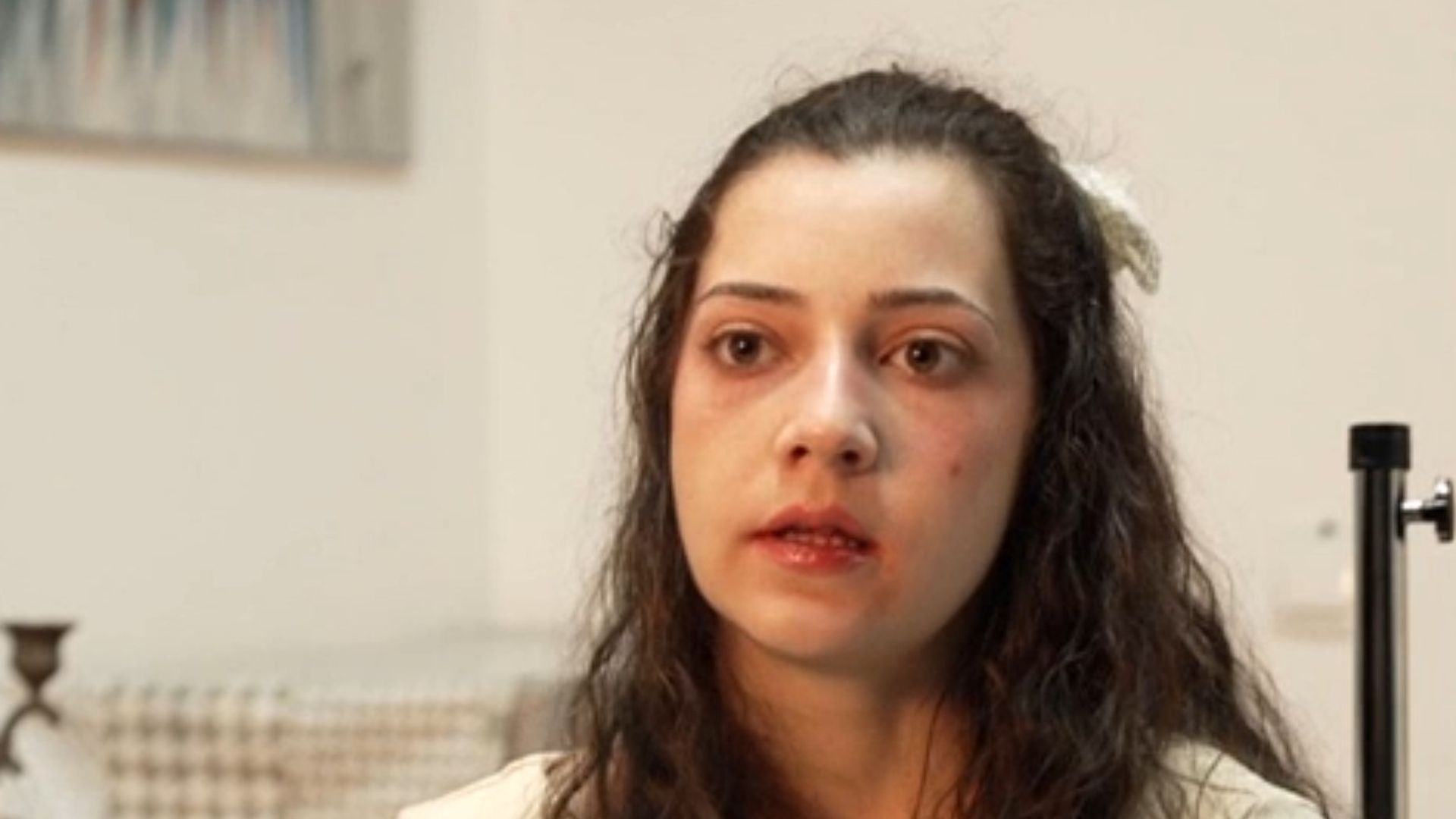
Nathalie Huigsloot sat across from her friend, Jolanda Fun. The date was set. The paperwork was signed. In the Netherlands, where the laws regarding end-of-life care are some of the most permissive in the world, the state had agreed that Jolanda’s suffering was "unbearable and hopeless." But as Nathalie looked at her friend—a woman whose life had been shattered by the haunting echoes of a brutal gang rape years prior—she didn't see a clinical case study. She saw a person who was about to disappear because she could no longer carry the weight of what other people had done to her.
Pain is a liar. It tells you that the current moment is the only moment that will ever exist. For victims of severe sexual trauma, that lie becomes a physical environment. It is a room with no doors.
The Weight of a Broken Spirit
Jolanda wasn't dying of cancer. Her lungs worked. Her heart was strong. But her mind was a battlefield where the war had ended long ago, and she was the only one left in the wreckage. The trauma of the assault had metastasized into a profound, unrelenting depression. This is the gray area of modern euthanasia laws that many find terrifying. We understand when a body fails. We struggle much more when a soul decides it has had enough.
Nathalie knew the statistics. She knew that in the Netherlands, thousands of people choose euthanasia every year. Most are elderly or terminally ill. But a small, growing number are like Jolanda: young, physically healthy, and mentally devastated. The legal threshold is high. You must prove to multiple doctors that there is no other path, no pill left to swallow, no therapy left to try. Jolanda had checked every box. She had spent years in the psychiatric system, moving from one "breakthrough" treatment to another, only to find herself back in the same dark room.
Nathalie wasn't there to judge the law. She was there to save her friend.
The Last-Minute Plea
Perspective is a strange thing. When you are standing on the edge of a cliff, the ground behind you looks insignificant. Nathalie’s mission in those final days was to make the ground look like home again. She didn't use the language of a therapist or the logic of a judge. She used the language of shared history.
"Do you remember the light?" she might have asked. Not the light at the end of the tunnel, but the light on the water during a summer afternoon. The small, inconsequential joys that trauma strips away first.
Nathalie’s effort was a desperate, human rebellion against the finality of a needle. She challenged the idea that Jolanda’s trauma was the totality of who she was. In the eyes of the law, Jolanda was a victim with an incurable psychological injury. In the eyes of Nathalie, she was a woman who liked music, who had a laugh that used to fill a room, and who deserved to see one more spring.
But trauma is a thief. It doesn't just take your happiness; it takes your ability to imagine a future where you aren't hurting.
The Invisible Stakes of "Self-Determination"
We talk about "the right to die" as if it is the ultimate expression of freedom. There is a certain intellectual elegance to the idea. My life, my body, my choice. It sounds robust. It sounds modern. But when that choice is born from the horror of a crime committed by others, the word "freedom" starts to feel hollow.
If a woman chooses to end her life because the trauma of a gang rape is too much to bear, is she exercising her will, or is she the final casualty of the men who attacked her?
Consider the implications. When a society agrees to help a trauma victim die, it is making a silent admission. It is saying, We cannot fix what was broken. Your pain is indeed more powerful than our ability to heal you. This is the heavy silence that sat between Nathalie and Jolanda. Nathalie refused to accept that admission. She believed that as long as there was breath, there was a chance for a shift in the internal weather.
One day. One hour. One conversation that might tip the scales.
The Complexity of Compassion
It is easy to cast Nathalie as the hero and the medical system as the villain, but reality is rarely that convenient. The doctors who oversaw Jolanda’s case didn't do so out of malice. They did so out of a belief that forcing a person to live in mental agony is its own kind of cruelty. They saw themselves as providing a mercy that the world had otherwise denied her.
This creates a haunting paradox. To be compassionate, must we allow people to give up? Or is true compassion the refusal to let go, even when the person is begging you to open the door?
Nathalie’s intervention was a reminder that we are not islands. Our lives belong, in part, to the people who love us. When Jolanda looked at Nathalie, she didn't just see a friend; she saw a mirror reflecting a version of herself that wasn't defined by her assault. That is a heavy thing to carry. It’s a responsibility that most of us will never have to face—the weight of being someone else’s last reason to stay.
The Silence After the Choice
The debate over euthanasia for mental suffering often focuses on the "slippery slope." We worry about where the line is drawn. But for Jolanda and Nathalie, the line wasn't a policy point. It was a person.
The effort to change Jolanda’s mind wasn't a grand, cinematic speech. It was a series of quiet, grueling moments. It was the act of showing up when it would have been easier to look away. It was the courage to say, "I disagree with your death," while still holding the hand of the person who wanted it.
In the end, the laws of the state and the desires of the individual often move with a momentum that friendship cannot stop. The "unbearable" nature of Jolanda’s suffering was something only she could truly measure. We can watch from the shore, we can shout, we can even jump into the water, but we cannot breathe for someone else.
Nathalie’s story isn't just about a failed attempt to stop a tragedy. It is about the radical act of staying until the very end. It is about the refusal to let a friend become a statistic without a fight.
The sun still rises over the Netherlands. The bikes still rattle over the cobblestones. The world moves on with an indifference that is both terrifying and necessary. But in the space where Jolanda once was, there remains a question that haunts the edges of our modern "mercy":
When we give someone the right to leave, do we lose the obligation to make them want to stay?
Nathalie walked out of that room, but she carried the silence with her. It is a silence that demands we look closer at the people around us—not at their diagnoses, not at their legal rights, but at the flicker of the person underneath the pain. Sometimes, the most powerful thing we can do is refuse to accept that the story is over, even when the book is already being closed.