The tea in the Serena Hotel in Islamabad is served at a precise temperature, steam rising in thin, rhythmic curls that vanish into the heavy air of the capital. Outside, the security detail is visible but quiet. The table is set. The fine china is polished. On one side, American diplomats check their watches, adjusting their ties in the humid heat, rehearsing the nuances of a dialogue that has been decades in the making. On the other side, Pakistani hosts smile politely, offering more refreshments while their eyes dart toward the door.
The door remains closed.
For weeks, the international community has been waiting for a confirmation that never comes. Tehran is silent. This isn't just a scheduling conflict or a bureaucratic delay. It is a calculated, thundering silence that echoes from the Alborz Mountains to the Arabian Sea. To understand why Iran refuses to take its seat at the table in Pakistan, you have to stop looking at the maps and start looking at the scars.
The Ghost at the Negotiating Table
Imagine a shopkeeper in Isfahan. Let’s call him Abbas. For years, Abbas has watched the price of saffron and electronics swing wildly based on whispers from thousands of miles away. To him, "negotiations" aren't a diplomatic term; they are the difference between his daughter attending university or working in the family shop. When the United States signals a desire to talk, Abbas doesn’t celebrate. He waits. He has seen the promises of 2015 evaporate into the sanctions of 2018.
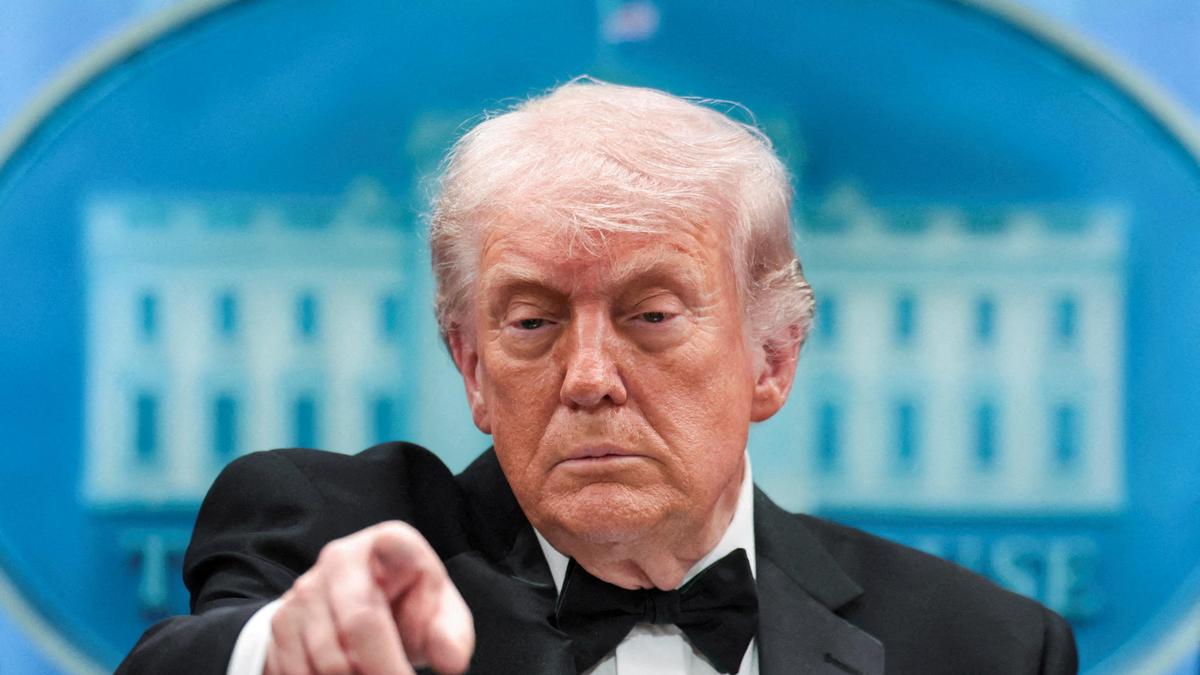
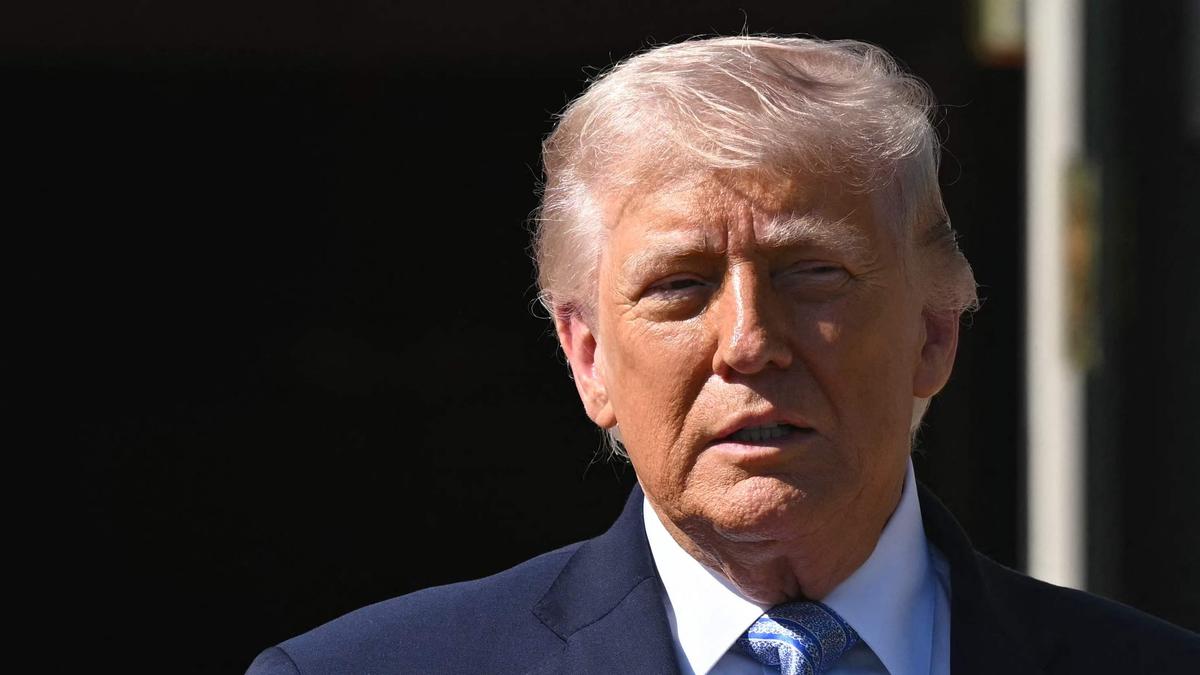
The Iranian leadership carries the weight of millions of people like Abbas, but they also carry a deep, burning skepticism that has become the bedrock of their foreign policy. From their perspective, the United States is not a monolithic entity. It is a house divided against itself. Why should Tehran commit to a new cycle of talks in Pakistan when they believe the person across the table might be replaced in a few years by someone who will tear up the agreement?
Trust is a fragile currency. In the world of high-stakes diplomacy, it is the only currency that matters. Currently, Iran views the American invitation as a counterfeit bill. They aren't just holding out for better terms; they are waiting to see if the bank will even stay open.
The Pakistani Tightrope
Pakistan has always been the middleman of the Muslim world, a geographic bridge that finds itself battered by the traffic it facilitates. For Islamabad, hosting these talks is a matter of prestige and survival. They want to prove they can be the neutral ground, the Switzerland of the East.
But neutrality is a lonely position.
Iran looks at Pakistan and sees a neighbor that is deeply entwined with Western interests. There is a historical anxiety here. Tehran remembers every time a third party was used to funnel messages that turned out to be traps. By refusing to confirm their presence, Iran is signaling to Pakistan that their hospitality, however generous, isn't enough to outweigh the risks of a premature handshake.
The Strategy of the Shadow
There is a specific kind of power in being the one who doesn't show up. It forces the other side to negotiate with themselves.
While the Americans wait in Islamabad, they are forced to reconsider their leverage. They start to wonder if their sanctions are as effective as they thought. They begin to question if Iran has found alternative lifelines in Beijing or Moscow. This is the "Strategic Patience" that Tehran has mastered. By staying away, they are testing the resolve of the Biden administration. They are asking: How badly do you actually want this?
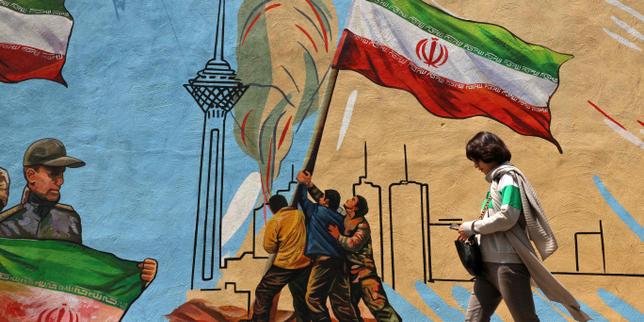
Consider the internal mechanics of the Iranian government. It is not a hive mind. There are pragmatists who see the Pakistani talks as a way to breathe life into a gasping economy. There are hardliners who view any meeting on foreign soil as a betrayal of the revolution’s dignity. The silence from Tehran is the sound of these two factions locked in a room, arguing over the soul of their nation.
Every day that passes without a confirmation is a victory for the hardliners. It proves that Iran cannot be summoned like a subordinate. It asserts that if there is to be a deal, it will be on their timeline, in their language, and under their conditions.
The Invisible Stakes of a Visible Failure
If these talks fail to materialize, the consequences won't be found in a press release. They will be found in the darkening corridors of hospitals in Tehran where medicine is becoming a luxury. They will be found in the hardening rhetoric of Western politicians who will use the empty chair as an excuse to turn the screws of economic warfare even tighter.
We often talk about geopolitics as if it’s a game of chess. It isn't. In chess, the pieces don't feel hunger. In diplomacy, the pieces are human lives. The refusal to confirm a meeting is a move made by men in high-backed chairs, but the impact ripples down to the smallest village on the border of Sistan and Baluchestan.
The tension in Islamabad is palpable. The Pakistani officials continue to prepare the suites. The Americans continue to brief the press with guarded optimism. But the seat at the end of the table remains unoccupied, a wooden testament to the fact that in the Middle East, the most powerful thing you can say is nothing at all.
The sun sets over the Margalla Hills, casting long, jagged shadows across the capital. The tea has gone cold. The invitations are still sitting on desks in Tehran, gathering dust or perhaps being read for the hundredth time, looking for a hidden meaning that might not even be there. The world watches the door. The door remains shut. And in the silence, the distance between two worlds grows just a little bit wider.