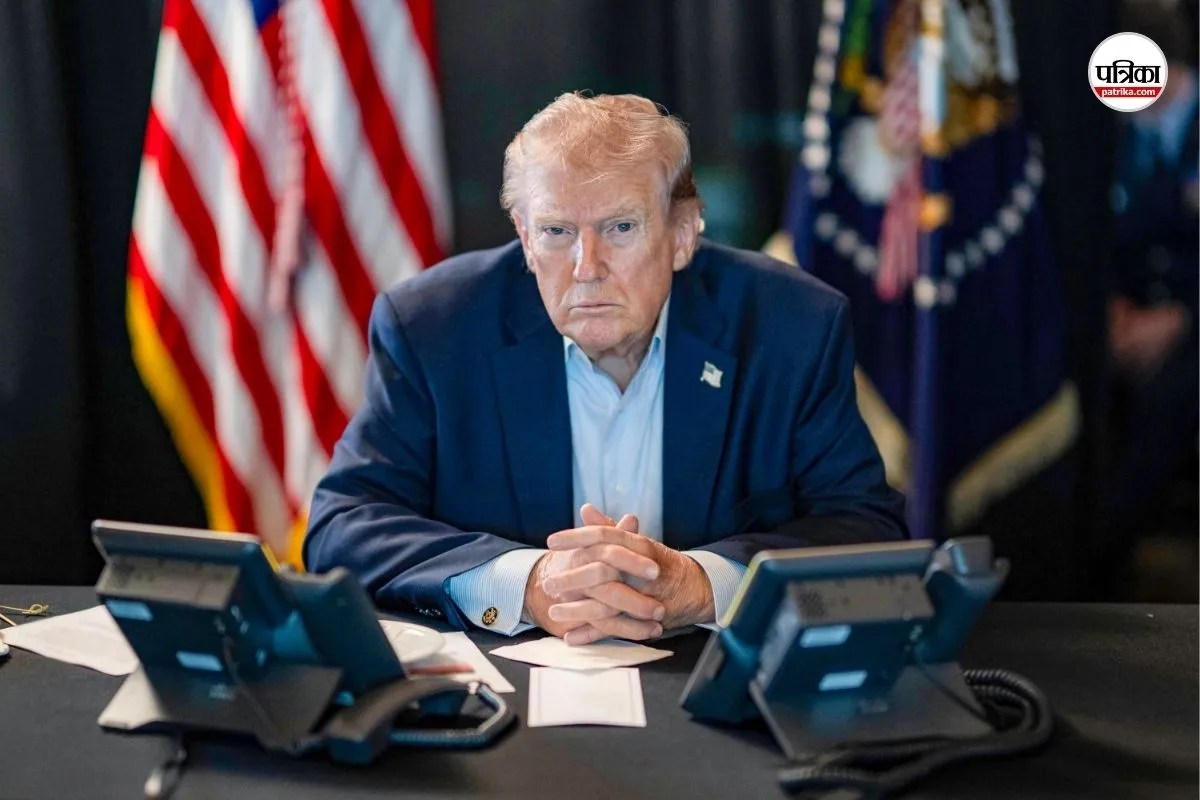
Donald Trump says he can stop the war between Iran and Israel with a single phone call. It's a bold claim. It's also classic Trump. Whether you love his brash style or find it reckless, his recent signals about the Middle East have shifted the entire global conversation. People are asking if the shadow war is finally coming to an end or if we're just seeing a new kind of geopolitical theater.
The situation is messy. It's violent. For decades, Iran and Israel have traded blows through proxies like Hezbollah and Hamas. Now, they're hitting each other directly with missiles and drones. The stakes couldn't be higher. Trump’s "Peace through Strength" mantra suggests that a return to his maximum pressure campaign would force Tehran to the table. But the world has changed since 2020.
The Trump Signal and Why It Matters
Trump recently hinted that he’s spoken with regional leaders and that the conflict would "settle down" quickly under his watch. He isn't offering a 500-page peace plan. He's offering a personality-driven ultimatum. The logic is simple. If you're Iran, you fear the unpredictability of a leader who authorized the strike on Qasem Soleimani. If you're Israel, you're looking for a green light to do what’s necessary without the constant "don't" from the current administration.
This isn't just campaign rhetoric. It's a signal to the markets and the military commands in the region. Trump's approach relies on the idea that Iran is economically fragile. By cutting off their oil revenue—again—he believes the funding for the "Axis of Resistance" dries up. When the money stops, the missiles stop. At least, that's the theory.
Why This Time Is Different
The Middle East isn't the same place it was four years ago. We've seen the Abraham Accords face the ultimate stress test. Surprisingly, they held. Despite the carnage in Gaza and the tension between Jerusalem and Tehran, the diplomatic ties between Israel and several Arab nations didn't snap. This is a huge piece of the puzzle that many analysts miss.
Iran has also moved closer to Russia and China. This "New Triad" makes the old "Maximum Pressure" strategy harder to execute. If China keeps buying Iranian oil, the sanctions don't bite as hard. Trump knows this. His strategy would likely involve leaning on Beijing as much as squeezing Tehran. It’s a high-stakes poker game where the chips are ballistic missiles and regional stability.
The Israel Perspective
Benjamin Netanyahu has a long history with Trump. It's a relationship of convenience and shared goals. Israel feels it has a window of opportunity to reset the security balance for the next fifty years. They've decimated Hezbollah's leadership. They've poked holes in Iran's air defenses. From a military standpoint, Israel might not want the war to end just yet. They want to finish the job.
Trump’s signal isn't just about stopping the fighting. It’s about who wins. He has rarely called for a "ceasefire" in the way the UN does. He calls for "getting it over with." That's a massive distinction. It suggests he’d allow Israel a much longer leash to conclude military operations as long as they do it fast.
Can One Man Really Stop a Holy War
The conflict between Iran and Israel is ideological. It’s religious. It’s existential. Thinking a trade deal or a tough-talking president can solve a thousand-year-old grudge is a bit simplistic. However, geopolitics isn't always about solving grudges. It’s about managing them.
Most people get it wrong when they think "peace" means "friendship." In this part of the world, peace usually just means "deterrence." If Trump can re-establish a credible threat of US intervention, the calculation in Tehran changes. They aren't suicidal. They're strategic. If the cost of the war exceeds the survival of the regime, they'll back off. They've done it before.
The Economic Fallout of a Long War
If this war doesn't end, the global economy is in trouble. We're talking about $100-a-barrel oil. We're talking about shipping lanes in the Red Sea and the Strait of Hormuz being permanently compromised. Trump’s focus on the war is partly about domestic inflation. He knows he can’t fix the US economy if the Middle East is on fire.
Investors are watching these signals closely. The moment there's a credible path to de-escalation, we'll see it in the gold prices and the energy futures. The "Trump Signal" is as much an economic forecast as it is a political one.
Misconceptions About the Peace Process
Don't believe the idea that a "deal" is right around the corner. These things take months of grueling backroom channel communications. Even if Trump wins and makes that call on day one, the inertia of war is hard to stop. You have thousands of fighters on the ground who don't take orders from a boardroom in Mar-a-Lago.
The biggest mistake is ignoring the internal politics of Iran. The regime is facing massive domestic unrest. A war is a convenient distraction for them. If the war ends, they have to deal with their own people again. That makes them dangerous and unpredictable.
What Happens Next
Watch the rhetoric coming out of the Gulf states. Saudi Arabia and the UAE are the quiet power brokers here. If they start moving closer to Israel again, you'll know they've received a "signal" that the US is back in the game of regional security.
You should also keep an eye on the weapons shipments. If the flow of high-tech munitions to Israel increases while the rhetoric about "ending the war" ramps up, it’s a sign of a "squeeze and settle" strategy. Basically, hit them hard so they have no choice but to talk.
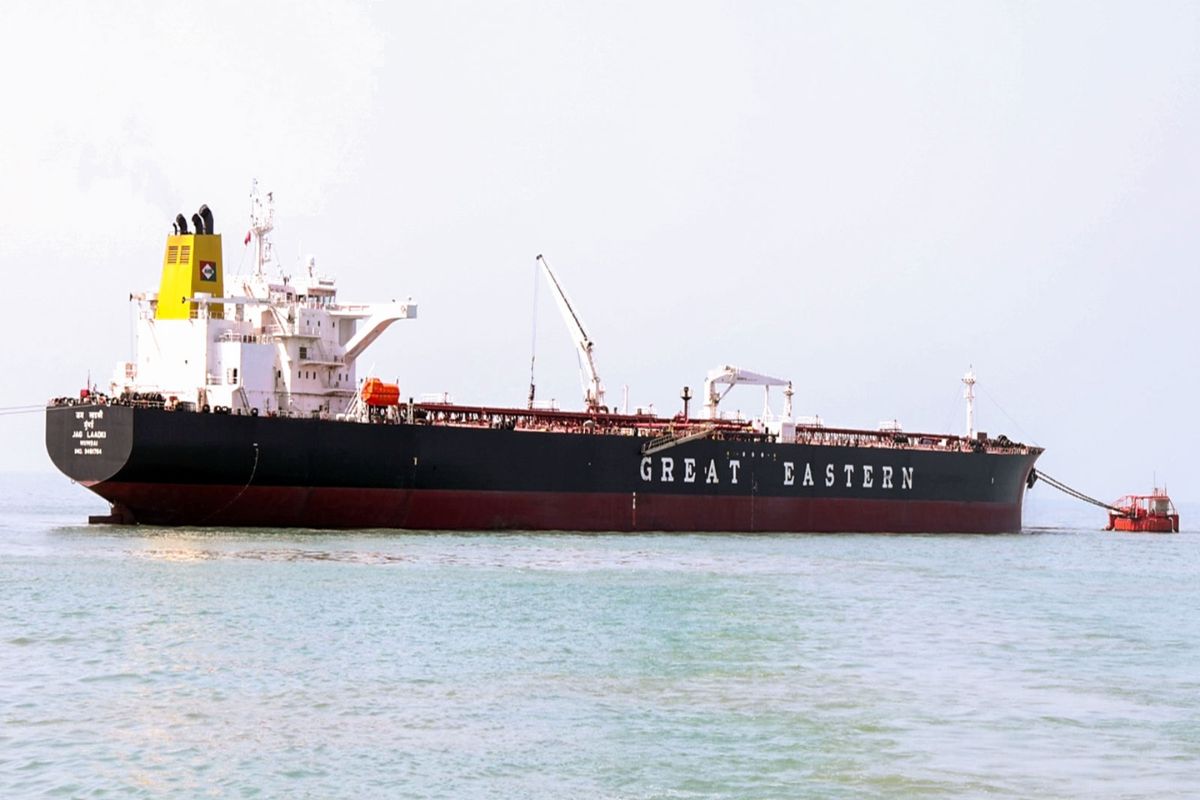
Don't wait for a formal treaty. In this conflict, the end won't be a signed paper on a lawn. It'll be a quiet realization that nobody can afford to keep shooting. Start tracking the movements of the US carrier groups and the Iranian oil tankers. Those are the real indicators of peace or more pain. Keep your eye on the "Maximum Pressure 2.0" chatter—it's the most likely roadmap for the next eighteen months.
Get ready for a volatile ride because even if the "signal" is for peace, the path there is going to be incredibly loud.