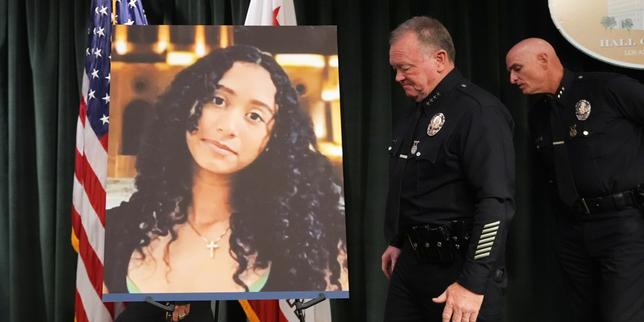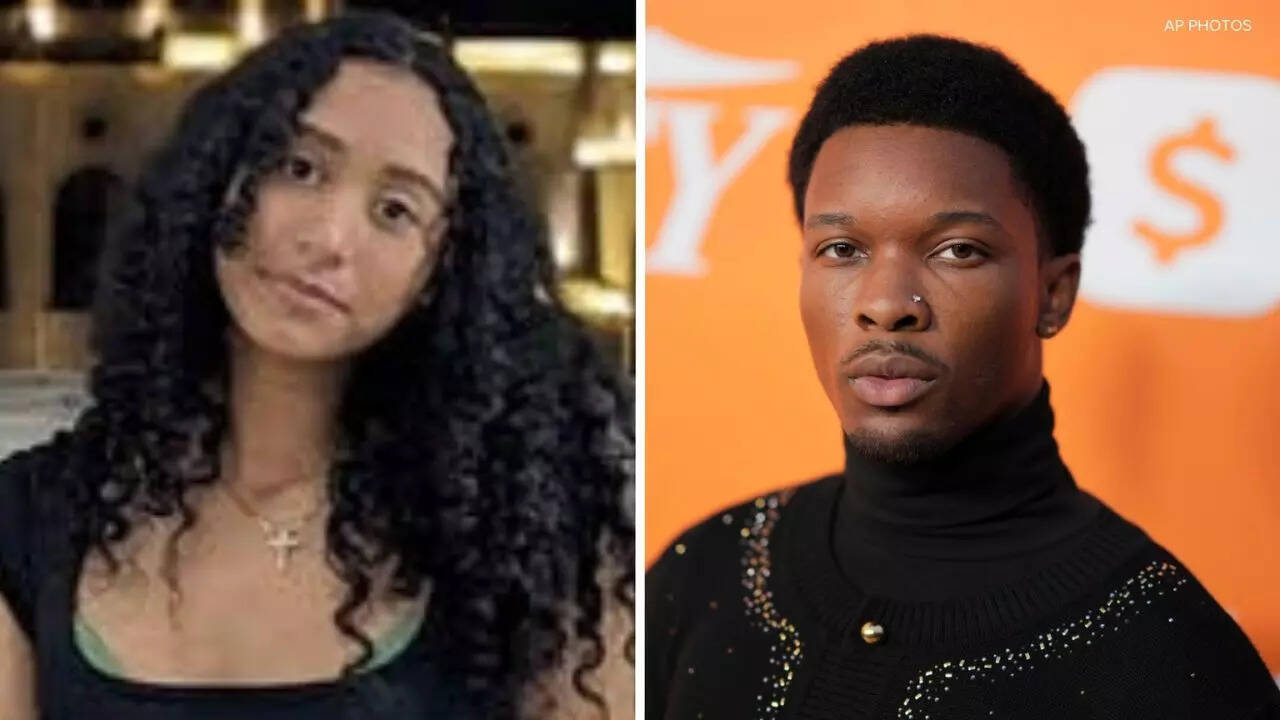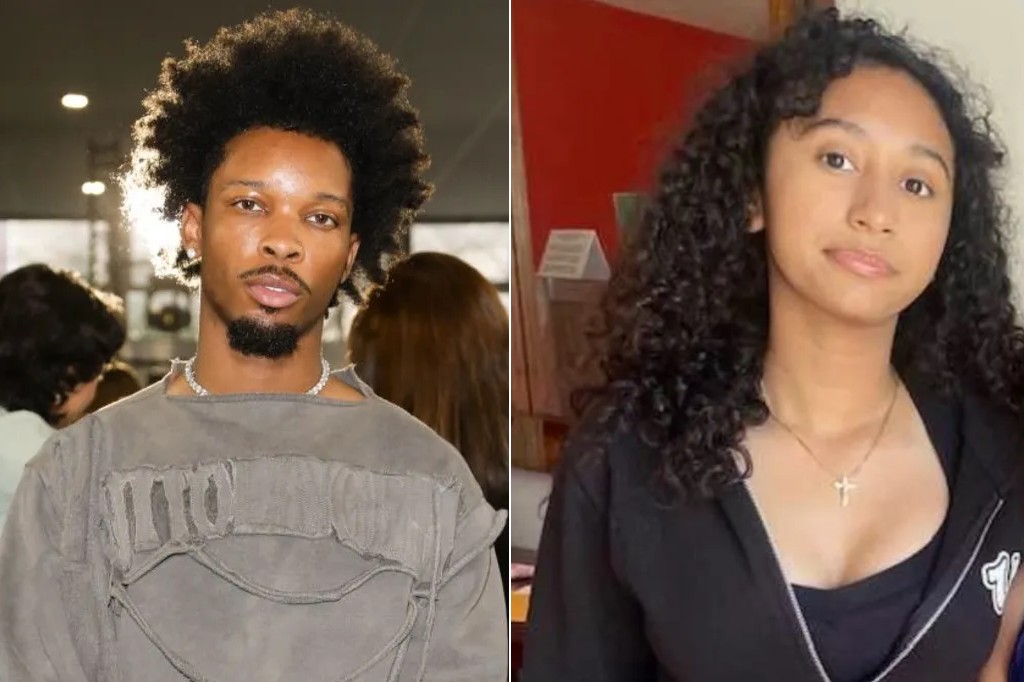
The viral claim that multi-platinum artist d4vd—born David Burke—was arrested and charged with the murder of a 14-year-old found in a car trunk is an absolute fabrication. There is no police record, no court filing, and no credible news report to support this gruesome allegation. Despite the lack of a single shred of evidence, the rumor has managed to cling to the digital underbelly of social media, resurfacing periodically to confuse fans and manipulate search algorithms. This isn't just a case of mistaken identity or a "prank" gone wrong; it is a calculated demonstration of how easily the modern information pipeline can be poisoned by bad actors leveraging the names of rising stars for engagement.
Burke, known for his atmospheric indie-pop hits like "Romantic Homicide" and "Here with Me," has spent the last year touring internationally and releasing new music, not sitting in a jail cell. The disconnect between his public reality and the dark fiction circulating online highlights a growing crisis in digital literacy. When a headline involves a gruesome crime and a recognizable name, the impulse to share often outpaces the instinct to verify.
Anatomy of a Digital Character Assassination
The "trunk murder" narrative didn't emerge from a local news desk or a reputable journalist. It follows the exact blueprint of a "death hoax" or a "criminality hoax," designed to trigger emotional responses. These stories usually start on TikTok or fringe "news" sites that specialize in click-through revenue. By the time a user sees a grainy screenshot or a fast-talking video claiming a singer has been "charged," the damage is done.
The choice of d4vd as a target was likely not accidental. His stage name and song titles—specifically "Romantic Homicide"—provide a macabre irony that hoaxers love to exploit. It creates a false sense of "foreshadowing" that makes the lie feel more believable to a casual observer. If an artist writes about death, the internet’s most cynical corners are quick to suggest they might be capable of it.
The Mechanics of the Algorithmic Lie
Information travels through a series of filters. In a healthy media ecosystem, those filters are editors and fact-checkers. In the current era, the primary filter is the engagement algorithm. Algorithms do not distinguish between a verified report from a major outlet and a malicious fabrication from a bot-driven account. They only see velocity.
When a shock-value headline like "Singer D4vd charged with murder" is posted, it generates immediate clicks. The algorithm interprets this activity as "high-value content" and pushes it to more users. This creates a feedback loop where the lie is amplified simply because it is provocative, effectively drowning out the boring, quiet truth that the artist is actually just living his life.
Why Fake News Sticks to Young Artists
Established veterans in the music industry have massive PR machines that can kill a rumor in hours. For younger, "internet-native" artists like d4vd, the relationship with the audience is more direct and less shielded. Fans feel a sense of intimacy with performers who grew up on the same platforms they use. This intimacy is a double-edged sword.
When a fan sees a shocking claim about an artist they follow, they feel a personal stake in the news. They engage with the post to defend the artist or to express horror, both of which serve to boost the post’s visibility. The hoaxers aren't just lying to the public; they are weaponizing the loyalty of a fanbase to spread the very misinformation that harms the performer's reputation.
The Real World Consequences of Online Fiction
To the person clicking a link, a fake murder charge might feel like harmless internet noise. To the subject of the rumor, it is a professional and personal nightmare. Labels, sponsors, and venue owners monitor "sentiment" and "news" associated with their talent. Even a debunked rumor can cause a momentary freeze in business dealings while legal teams "vet" the situation.
Furthermore, these hoaxes place an undue burden on the victim's family and the artist themselves. They are forced to address a crime that never happened, which ironically gives the lie even more oxygen. It is a no-win scenario. Silence allows the rumor to fester, but a denial ensures the keywords "murder" and "d4vd" remain linked in search engine results for months to come.
The Failure of Platform Accountability
The persistence of this specific d4vd hoax points to a systemic failure in how social media platforms moderate content. Most of these "news" posts remain active long after they have been flagged as false. The "trunk" story has been debunked by independent fact-checkers repeatedly, yet a simple search on video-sharing platforms will still yield dozens of results claiming the arrest is real.
Platforms often prioritize "freedom of expression" or simply lack the manpower to police the millions of hours of content uploaded daily. This creates a safe harbor for defamation. As long as a post doesn't violate specific "community standards" regarding graphic imagery (even if the text describes it), it often stays up, generating ad revenue for the platform while eroding the reputation of the individual being targeted.
Verification as a Lost Art
We have reached a point where the blue checkmark or a professional-looking interface is no longer a guarantee of quality. Many of the sites hosting these d4vd stories use templates that mimic legitimate news organizations. They use sensationalist language, vague "sources," and urgent calls to action to bypass the reader's critical thinking.
The burden of verification has been shifted entirely onto the consumer. In a world where AI can generate realistic-looking mugshots or "police statements" in seconds, the threshold for what constitutes "proof" has been lowered. If the public continues to accept "I saw it on TikTok" as a valid source of truth, the frequency and severity of these character assassinations will only increase.
Breaking the Cycle of Misinformation
Combating a viral lie requires more than just a retraction. It requires a fundamental shift in how we interact with "breaking news" on social media. The d4vd murder hoax is a textbook example of why the "wait and see" approach is the only responsible way to consume digital content. If a major celebrity were truly charged with a crime as heinous as murdering a minor, it would be the lead story on every global news network, not a "hidden" secret shared by a random account with 200 followers.
The next time a shock-headline appears involving a car trunk and a popular musician, look for the source. If the source is an anonymous profile or a website you've never heard of, it is almost certainly a fiction designed to farm your attention. Don't click, don't comment, and don't share. The most effective way to kill a lie is to starve it of the engagement it needs to survive.
Verify the source before you believe the story.