The heat in Los Angeles doesn’t just sit on you. It vibrates. It’s a low-frequency hum coming off the blacktop of the 405, a shimmer that turns the skyline into a fever dream. For a lifelong Angeleno, that heat carries a specific memory: the summer of 1984. People talk about those Games like a civic miracle. The traffic vanished. The smog parted. The city felt, for a fleeting moment, like it belonged to the people who lived there rather than the cars that choked it.
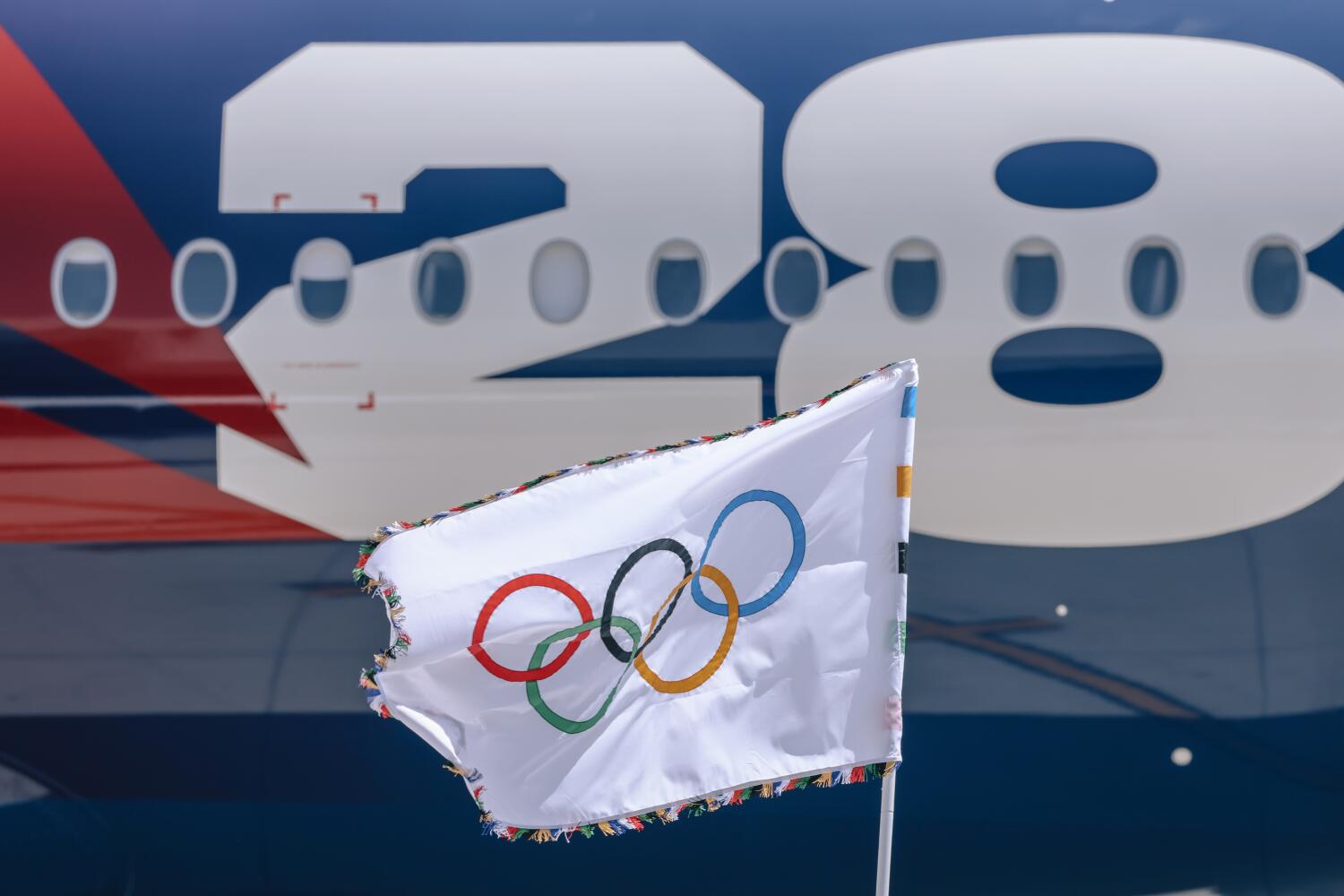
Now, the countdown clocks are ticking again. 2028 is no longer a distant abstraction. It’s a freight train.
But this isn't just about gold medals or the 100-meter dash. When the world descends on a city, it leaves a mark that lasts long after the closing ceremony fireworks have fizzled out. We’ve seen the skeletons of past Olympics—the rusting pools in Athens, the overgrown stadiums in Rio. Los Angeles is trying to pull off a different kind of magic trick: hosting a global mega-event without building a single new permanent venue.
It sounds sensible. On paper, it’s the height of fiscal responsibility. But when you look at the map of a city as sprawling and fractured as this one, the questions start to pile up like a multi-car pileup in the Sepulveda Pass. How do you move millions of people across a geography designed to keep them apart? What happens to the guy in Inglewood who just wants to get to work without his commute doubling?
The Geography of a Dream
Consider a hypothetical resident named Elena. She lives in East LA and works a service job near the beach. On a good day, her life is a choreographed dance with the Metro. When the Games arrive, her world changes. The venues aren't clustered in a neat little park; they are scattered like buckshot from the valley to the coast.
The LA28 plan relies on "Radical Reuse." We are talking about the Coliseum, which will host its third Olympics—a feat of longevity that is almost unheard of in modern sports. We’re talking about the new Intuit Dome and SoFi Stadium, billion-dollar private monuments that will pivot from concerts to high-stakes competition.
But the "invisible stakes" for Elena aren't about who wins the decathlon. They are about the "Transit First" promise. The city is racing to complete decades of infrastructure work in a handful of years. This isn't just about painting new lanes on the road. It’s about the D Line extension, the Sepulveda Transit Corridor, and the hope that, finally, LA can break its toxic relationship with the internal combustion engine.
The anxiety is real. You can feel it in the town halls and the neighborhood council meetings. People want to know if they will be priced out of their own zip codes by "beautification" projects. They want to know if the security perimeter will turn their neighborhood into a fortress.
The No-Build Gamble
The logic of LA28 is built on a foundation of existing luxury. We are the city of stars, after all. Why build a new swimming stadium when you can drop a temporary pool into a baseball park? Why create a massive Olympic Village that will sit empty in five years when you can house the athletes at UCLA?
It’s a brilliant move for the balance sheet. By avoiding the "White Elephant" syndrome, Los Angeles avoids the debt traps that have crippled other host cities. But there is a trade-down. When you don't build new things, you don't necessarily fix the old problems. The city is betting that the experience of the Games will be enough to spark a permanent shift in how the city functions.
Critics point to the displacement of the unhoused population as a primary concern. You can’t sweep human beings under a rug just because the cameras are rolling. If the 1984 Games were defined by the "Zapata" police sweeps, the 2028 Games will be judged by whether the city finds a more compassionate way to handle its most vulnerable citizens. The world is watching, and this time, the world has a high-definition lens and a social media megaphone.
Beyond the Screen
The Olympics are a media product, yes. They are designed for the three-second clip, the emotional montage, and the viral victory. But for the person standing on the corner of Fig and 7th, the Olympics are a physical reality.
They are the sound of helicopters. They are the sight of unfamiliar uniforms. They are the sudden realization that your favorite taco truck has been moved because it’s in a "restricted zone."
We are asking for your questions because the official brochures only tell half the story. They tell us about the "Games Agreement" and the "Legacy Projects." They don't tell us about the small frictions of daily life. They don't explain how a "car-free" Olympics works in a city that treats its cars like extra limbs.
Will the tickets be affordable for the people who actually live here? Or is this a party for the global elite, held in our backyard while we watch from behind a chain-link fence?
The organizers talk about "human-centric" design. That’s a lovely phrase. But a city is not a design project. It’s a living, breathing, sweating organism. It’s a collection of stories, most of which have nothing to do with sport.
There is a specific kind of silence that falls over a stadium right before the starting gun. It’s a moment of pure potential. Los Angeles is in that silence right now. We are crouching in the blocks, waiting to see if we can actually run this race without tripping over our own history.
The concrete of the 1984 Games is still here. You can see it in the aging ramps of the freeways and the faded murals on the walls of the Coliseum. Those Games changed the DNA of this city. They turned a bankrupt town into a global titan. 2028 is our chance to decide what kind of titan we want to be for the next forty years.
It’s not just about the medals. It’s about whether, when the last athlete leaves and the temporary pools are dismantled, the city is left better or just busier.
The sun is setting over the Pacific, casting long, orange shadows across the Santa Monica pier. In four years, that beach will be a venue. The sand will be raked. The crowds will scream. And then, it will go back to being a beach. The question is: who will be allowed to sit on it?
The track is ready. The world is coming. We’re just trying to make sure the soul of the city doesn't get lost in the sprint.