The mainstream media is falling for the oldest trick in the diplomatic handbook.
"China calls for calm." "Beijing urges restraint." "Xi expresses concern over trade disruptions."
Stop reading the press releases and start watching the tankers. The consensus view—that China is a fragile energy importer terrified of a Strait of Hormuz blockade—is not just lazy; it is demonstrably wrong. If you believe the narrative that Beijing is "desperate" to stabilize the Persian Gulf, you are missing the most significant geopolitical arbitrage of the decade.
China does not want peace in the Middle East. It wants managed chaos. It wants a permanent state of "high-tension/low-burn" that exhausts American naval resources, drives its competitors into expensive alternative energy hedges, and cements its role as the only neutral broker left in a polarized world.
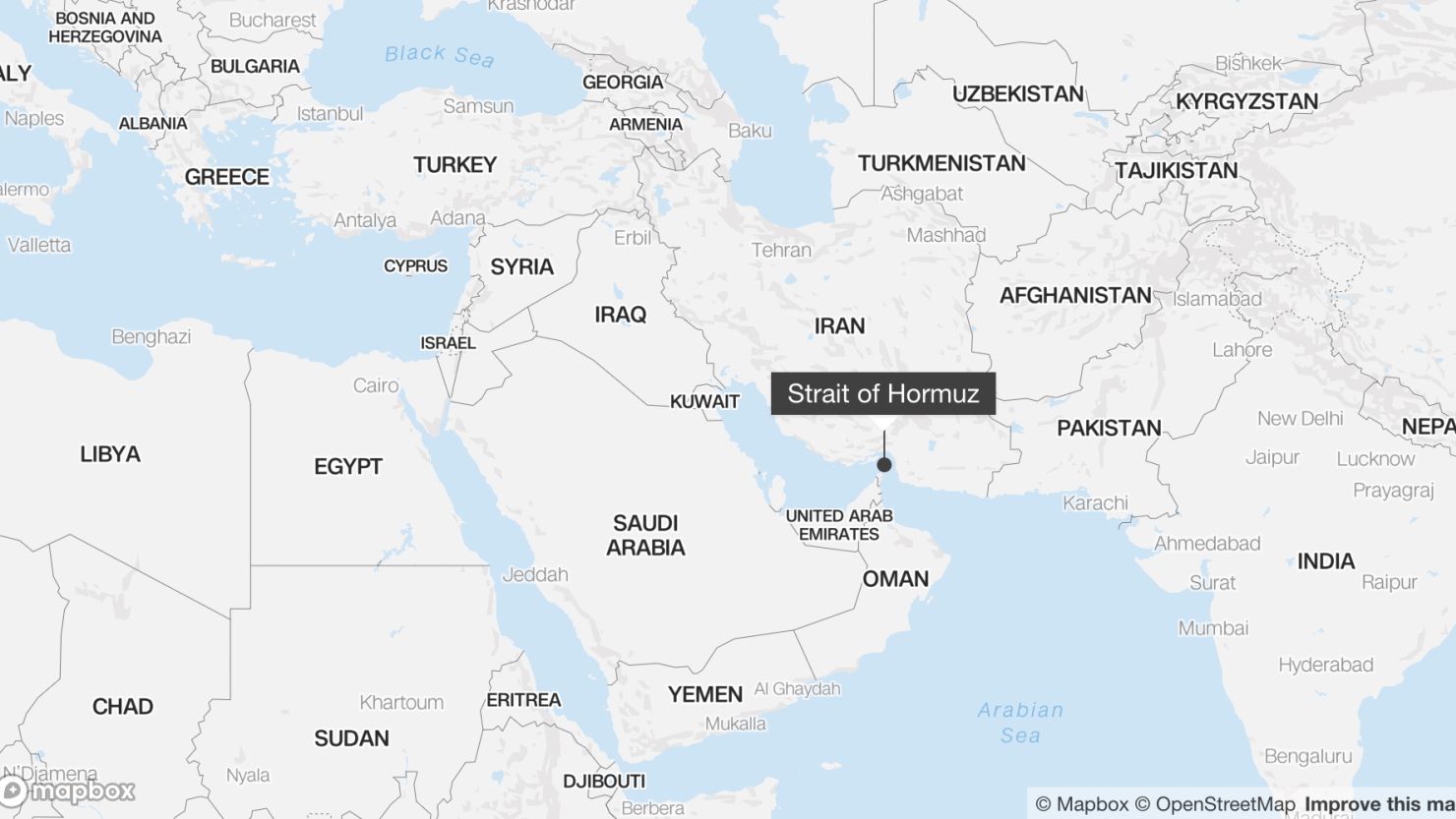
While the West screams about "freedom of navigation," China is quietly building the infrastructure to make the Strait of Hormuz irrelevant for itself—while keeping it a lethal choke point for everyone else.
The Myth of the Vulnerable Importer
The standard argument goes like this: China imports roughly 40% of its crude oil from the Persian Gulf. Therefore, a closure of the Strait of Hormuz would result in the immediate collapse of the Chinese economy.
This is amateur-hour analysis. It ignores the Strategic Petroleum Reserve (SPR) reality and the shifting geography of energy.
I have spent years tracking supply chain flows for commodities giants. Here is what the "concerned" headlines won't tell you: China has been hoarding oil at a rate that defies commercial logic. Estimates suggest their SPR now exceeds 900 million barrels. They aren't buying for current consumption; they are buying for a siege.
More importantly, China is the only nation successfully "de-Strait-ing" its energy security.
- The Power of Siberia 2: Massive pipeline capacity from Russia.
- The CP-EC (China-Pakistan Economic Corridor): Direct overland access from the Port of Gwadar to Xinjiang.
- Central Asian Grids: Expanding pipelines from Kazakhstan and Turkmenistan.
When the Strait of Hormuz gets "choked," Japan, South Korea, and Western Europe face an existential crisis. China faces a logistical pivot. By calling for "calm," Beijing isn't trying to save its own skin; it's performing diplomatic theater to look like the "adult in the room" while its rivals' economies catch fire.
Why the U.S. Navy is Paying China's Security Bill
Every time an Iranian-backed group threatens a tanker, the U.S. Fifth Fleet spends millions of dollars in interceptor missiles and operational sorties to keep the lanes open.
Who benefits? China.
China gets the security of the global commons for free, paid for by the American taxpayer. This is the ultimate "free rider" success story. Beijing’s calls for a "halt to hostilities" are designed to keep the U.S. pinned down in the region. Every carrier strike group tethered to the Gulf is one less carrier strike group patrolling the Taiwan Strait or the South China Sea.
If the Middle East actually became peaceful, the U.S. would successfully execute its "Pivot to Asia." Beijing knows this. They don't want the U.S. out of the Middle East; they want the U.S. distracted in the Middle East.
The Petro-Yuan Pivot
The "disruption" the media laments is actually the perfect catalyst for China’s greatest financial ambition: killing the Petro-dollar.
In a stable world, everyone uses Dollars. In a world where the Strait of Hormuz is a war zone and U.S. sanctions are flying like confetti, the Yuan becomes the "neutral" alternative. By positioning itself as the mediator that talks to both Tehran and Riyadh, Beijing is setting the stage for a parallel financial system.
When China "calls for an end to warring," they are actually saying: "The Americans can't protect you without making you a target. Trade with us in Yuan, and we will ensure your cargo moves through our overland corridors instead."
Dismantling the Supply Chain Panic
You've heard it a thousand times: "Global trade will stop if Hormuz closes."
Let's look at the math. A full closure of the Strait is a physical impossibility for more than a few days. The U.S. Navy and regional players would force it open, or the sheer economic weight of the world would demand a resolution.
The real danger isn't a closure; it’s the Insurance Premium Hike.
War risk insurance premiums for tankers in the Gulf can jump 500% in a week of "tension." This is where China wins. Their state-owned shipping lines (like COSCO) often operate under different risk-assumption models than private Western fleets. While Western firms wait for "stability," Chinese vessels—often under-insured or self-insured by the state—continue to move.
They aren't afraid of the "choke." They are the ones holding the grease.
The Green Energy Smoke Screen
There is a delicious irony in China’s "concern" over oil disruptions. China is the world's leading manufacturer of EVs, solar panels, and lithium batteries.
If oil becomes permanently expensive or "risky" due to Middle Eastern instability, what happens? The global transition to renewables—which China monopolizes—accelerates.
Every time a rebel group launches a drone at a tanker, the ROI on a Chinese-made solar farm in Europe or Africa goes up. Beijing is playing both sides of the board. They buy the cheap, "risky" oil that others are too afraid to touch, and they sell the "solution" to the oil crisis at the same time.
The Broker Fallacy
"Why doesn't China use its influence over Iran to stop the attacks?"
This is the question people ask when they don't understand how power works. Influence is like a bank account; you don't spend it all at once just because your neighbor is complaining.
China enjoys having the "Iran Card" in its pocket. It gives them leverage in every negotiation with Washington. If China "fixes" the Hormuz problem, they lose their leverage. They would rather offer "thoughts and prayers" for trade stability while privately enjoying the spectacle of the West's maritime doctrine being picked apart by cheap drones.
What the "Experts" Get Wrong About Diplomacy
Diplomacy isn't about solving problems; it's about managing them to your advantage.
- The Stability Trap: Most analysts think stability is the goal. For a rising power looking to displace an incumbent, instability in the incumbent's zones of influence is the goal.
- The Trade Disruptor: We assume trade disruptions are bad for everyone. In reality, they are only bad for the person who can't adapt. China’s "Belt and Road" is the ultimate adaptation. It is a massive, multi-trillion-dollar bypass around the very "choke points" everyone else is worried about.
The Real Play: Stop Watching the Strait
If you want to know what's actually happening, stop looking at the Strait of Hormuz. Look at the insurance markets in Singapore. Look at the rail freight volumes through the Middle Corridor in Central Asia. Look at the Yuan-denominated oil contracts being signed in private.
The "Hormuz Choke" is a ghost story told to keep Western populations compliant with high energy prices and military spending. For China, it’s not a threat. It’s a marketing campaign for the new world order.
Beijing isn't calling for peace because they need it. They are calling for peace because it’s the only way to ensure they aren't blamed for the war they are quietly subsidizing through their silence.
The next time you see a headline about China "urging restraint," remember: they are the only ones laughing as the price of global security goes through the roof.
Move your capital out of firms that rely on "stable" maritime routes and start looking at the entities building the bypass. The era of the Strait is over. The era of the overland, Yuan-backed corridor has begun, and it was paid for by the very "instability" you were told to fear.
Stop asking how we can fix the Middle East. Start asking why we are still paying to protect China’s energy supply while they build the tools to bankrupt us.
The Strait isn't being choked. It's being bypassed. And you're the only one still standing in the line.

/wion/media/post_attachments/files/2018/09/11/24636-tanker-20161211024034-20170625053340.jpg)