The recent shift in California’s public sentiment regarding a proposed "billionaire tax" reflects a fundamental tension between fiscal populism and procedural skepticism. While polling indicates majority support for taxing extreme wealth, the simultaneous demand for stricter voter ID laws reveals a fractured electorate that seeks both radical economic redistribution and a traditionalist approach to electoral integrity. This is not a simple left-right divide; it is a complex intersection of perceived economic inequity and a desire for institutional verification.
The Mechanics of the Billionaire Tax Proposal
The proposed wealth tax operates on a principle of "mark-to-market" taxation on unrealized capital gains for individuals exceeding specific net-worth thresholds. Standard income tax models rely on realization—the point at which an asset is sold. California’s proposed framework attempts to bypass this by taxing the underlying valuation of assets, including stocks, private equity, and real estate, before they are liquidated.
This fiscal mechanism faces three structural hurdles:
- Valuation Volatility: Assessing the value of illiquid assets, such as private companies or specialized real estate, creates an administrative burden. Unlike publicly traded stocks, these assets do not have a daily ticker price, leading to protracted legal disputes between the state and taxpayers over fair market value.
- Liquidity Mismatches: A taxpayer may possess a net worth in the billions on paper while lacking the cash flow to cover a multi-million dollar tax bill. This forces the sale of assets, which can trigger market instability or a loss of controlling interest in founder-led companies.
- Capital Flight and Tax Base Erosion: High-net-worth individuals possess the highest degree of geographical mobility. The "exit tax" provisions included in the proposal—designed to tax individuals even after they leave the state—face significant constitutional challenges under the Commerce Clause and the Right to Travel.
The Voter ID Dichotomy
The same polls showing support for wealth redistribution also highlight a significant push for mandatory voter identification. This creates a political friction point for the state's dominant party. The demand for voter ID is often framed as a measure of "electoral hygiene," whereas the opposition views it as a barrier to participation.
The logic of the supporter base follows a dual-track:
- The Trust Gap: Voters who feel the economic system is rigged (hence the support for a billionaire tax) often extend that skepticism to the electoral system. They view verification as a prerequisite for legitimacy.
- Administrative Consistency: There is a growing cognitive dissonance among voters who are asked to provide identification for basic private-sector transactions (banking, travel, employment) but are told it is unnecessary for the foundational act of a democracy.
California’s current legislative trajectory remains at odds with this polling. The state has moved toward expanding mail-in voting and automated registration, while the electorate signals a desire for more stringent physical verification. This disconnect suggests that "majority support" for one policy does not grant a mandate for the entire party platform.
Revenue Projection vs. Reality
Proponents of the billionaire tax project billions in new annual revenue to fund social programs, climate initiatives, and education. However, these projections often fail to account for the Laffer Curve dynamics specific to sub-national jurisdictions. Unlike a federal wealth tax, a state-level wealth tax is easily circumvented by moving across state lines to Nevada, Texas, or Florida.
The "Cost of Compliance" for the state of California would involve:
- Expanding the Franchise Tax Board’s (FTB) audit capabilities to include specialized valuation experts.
- Protracted litigation costs as the first wave of billionaires challenges the constitutionality of taxing unrealized gains.
- A potential decline in venture capital activity, as the tax creates a "success penalty" that disincentivizes long-term equity holding in startups.
The Partisan Split and the Median Voter
The data shows a clear partisan divide on voter ID, but a surprising amount of cross-over on wealth taxation. Working-class Republican voters often show support for taxing "the elites," even as they remain staunchly in favor of voter ID. Conversely, affluent Democrats in Silicon Valley or coastal enclaves often support voter ID as a common-sense measure while quietly lobbying against wealth taxes that would impact their equity portfolios.
The Median Voter Theorem suggests that to pass these measures, proponents must decouple them. Linking a wealth tax to a broader package that includes popular procedural reforms (like voter ID) might be the only way to secure a durable majority that survives a referendum. However, the ideological purity of party leadership prevents this kind of "grand bargain."
The Risk of Constitutional Overreach
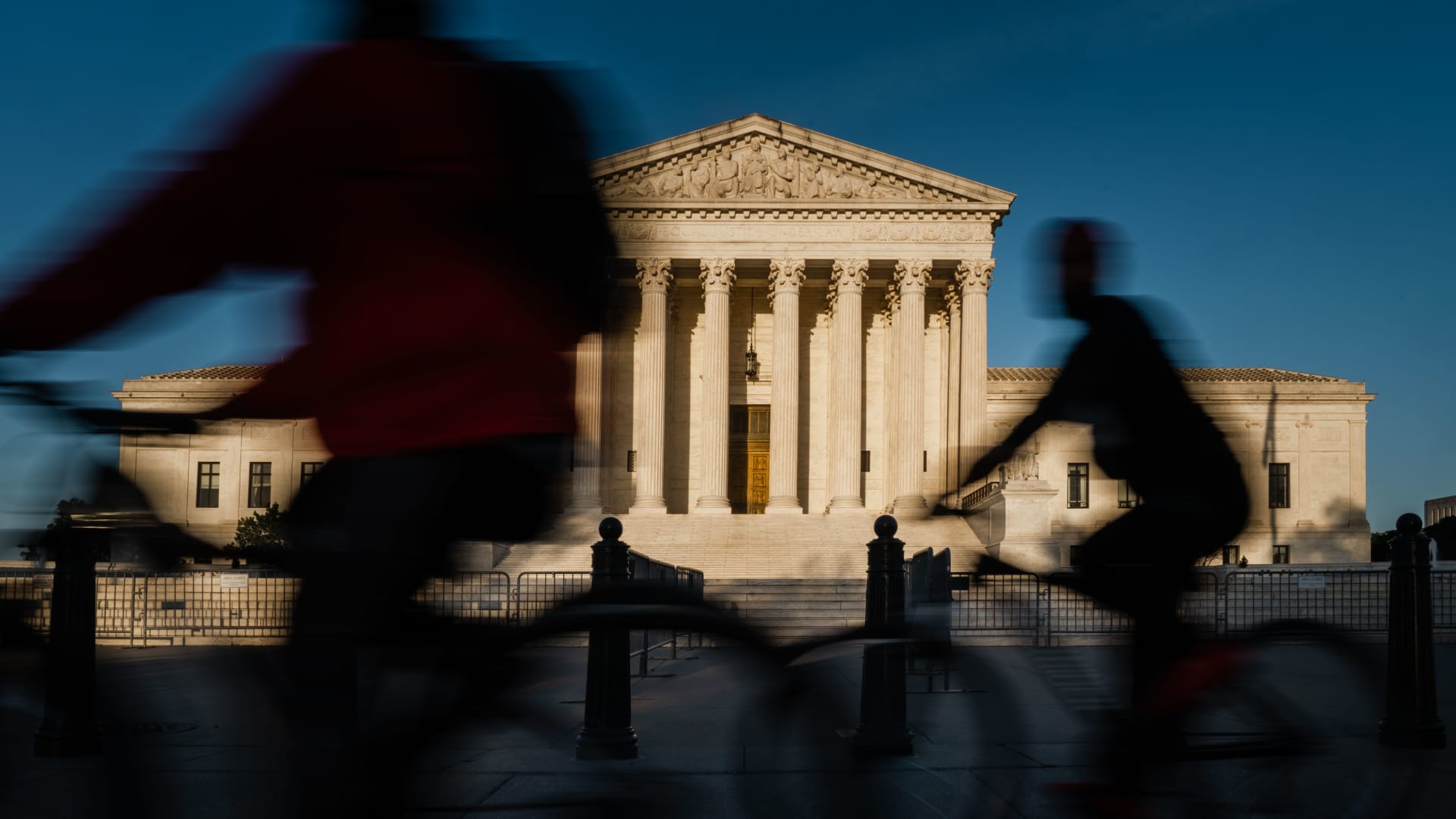
Any state-level wealth tax that includes an "exit tax" or a "tail" provision (taxing former residents for up to 10 years after they leave) will likely be struck down by the U.S. Supreme Court. The court’s current originalist leaning suggests it would view such a tax as an extraterritorial exercise of state power, violating the Due Process Clause of the 14th Amendment.
Furthermore, the 16th Amendment’s definition of "income" is currently a matter of intense judicial scrutiny. If the Supreme Court rules in upcoming cases that income requires realization, the entire premise of a wealth tax on unrealized gains collapses at both the state and federal levels.
The strategic play for California’s legislative body is not to rush a broad wealth tax into law, but to focus on Closed-Loop Revenue Models. This involves identifying specific, high-value transactions that are tied to the state's unique infrastructure or market—such as a data-mining tax or a specialized stock transfer fee—which are harder to evade than a general net-worth assessment. On the electoral front, ignoring the public’s demand for voter verification creates a vulnerability that a populist challenger could exploit by bridging the gap between economic frustration and the desire for institutional order. If the state continues to ignore the verification mandate, it risks a backlash that could jeopardize even the most popular redistributive policies.
Would you like me to analyze the specific fiscal impact of the "exit tax" provisions on California's top 1% tax bracket?