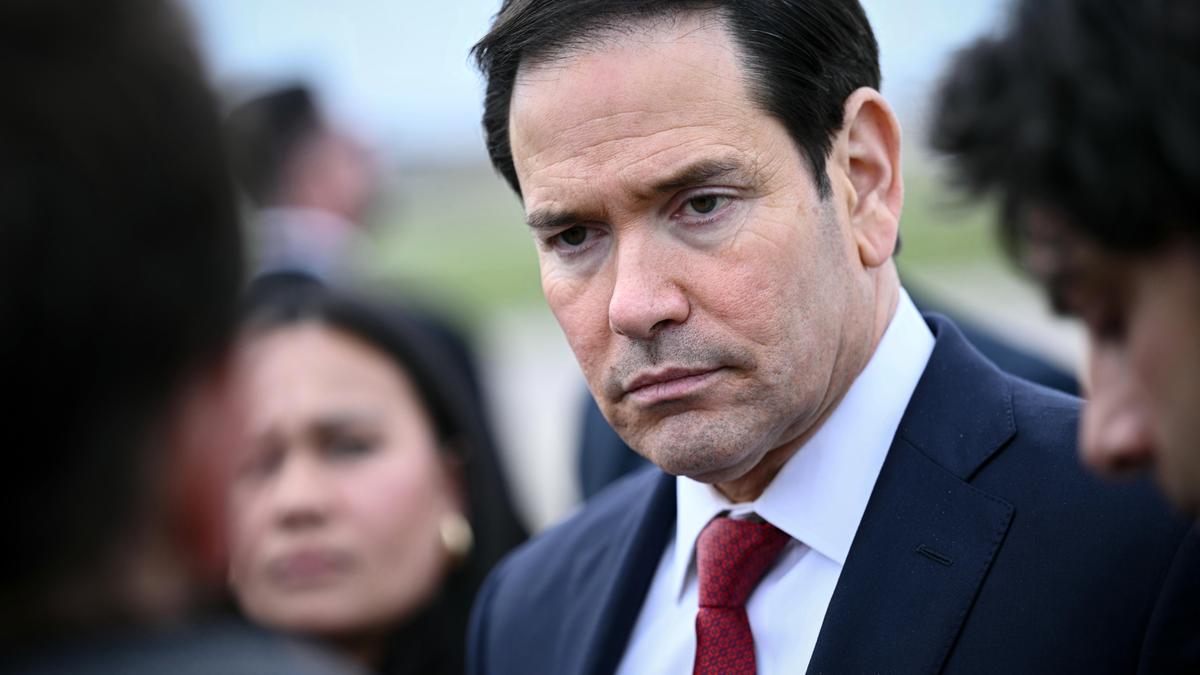
The United States intends to wrap up major military operations against Iran in a matter of weeks, not months. This ambitious deadline, laid out by Secretary of State Marco Rubio following G7 meetings in France, rests on a high-stakes bet that a relentless air campaign can dismantle Tehran’s strategic architecture before the regional order collapses entirely. While the administration insists it can achieve its objectives—primarily the destruction of Iran's ballistic missile and drone production—without a full-scale ground invasion, the reality on the water and in the silos suggests a much more volatile endgame.
The Illusion of a Clean Exit
Rubio’s public confidence acts as a political shock absorber for an administration wary of "forever wars." By framing the conflict as a surgical strike on capabilities rather than a quest for regime change, the State Department is attempting to manage global markets that have already seen Brent crude surge past $112. The official line is that the U.S. is "on or ahead of schedule." However, veteran analysts recognize this rhetoric. Setting a "weeks-not-months" clock is a classic maneuver to maintain domestic support while signaling to adversaries that the window for a negotiated surrender is closing.
The math of the campaign is simple and ruthless. Iran has been producing roughly 100 short-range ballistic missiles a month. The U.S. and its allies can only produce a fraction of the interceptors needed to stop them. To the administration, this is a race against a "line of immunity"—a point where Iran’s arsenal becomes so vast that no missile defense system can prevent a catastrophic strike on U.S. bases or regional allies. Operation Epic Fury is the attempt to reset that clock by force.
The Gap Between Air Power and Ground Reality
While Rubio maintains that ground troops are unnecessary for the primary mission, the Pentagon is moving thousands of Marines and airborne units into the theater. This is described as "maximum optionality," but it points to a darker tactical necessity. Airstrikes can level a factory; they cannot reliably secure enriched uranium or dismantle deeply buried centrifuges.
There is a growing friction between the State Department’s diplomatic narrative and the military’s requirements. If the goal is truly to ensure Iran cannot rebuild its missile program, someone eventually has to go in and verify the wreckage.
The Hormuz Toll Gambit
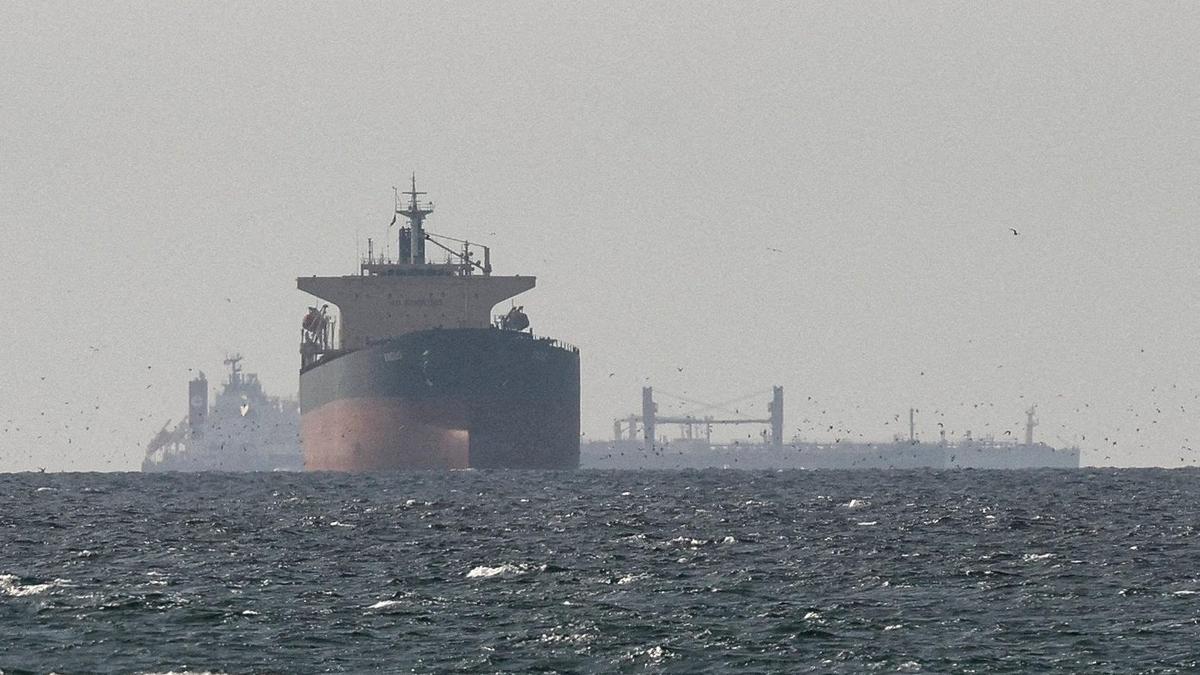
Perhaps the most overlooked factor in Rubio’s recent briefings is the discussion of a "tolling system" for the Strait of Hormuz. Tehran has hinted at a plan to charge a fee for passage through the waterway once the shooting stops—a move that would effectively turn a global commons into an Iranian parking lot.
Rubio’s insistence that European and Asian nations must "contribute to efforts to secure free passage" is a thinly veiled warning. The U.S. is tired of footing the bill for the security of trade routes that benefit its economic competitors as much as itself. If the U.S. completes its military mission and withdraws, it may leave behind a vacuum that it has no intention of filling for free.
The Peacemaker and the Predator
In Miami, President Trump recently spoke of his desire to be a "great peacemaker," even as U.S.-Israeli strikes hit targets in Zanjan and Tehran. This duality is the hallmark of the current strategy. The administration is using devastating force to create leverage for a deal that would go far beyond the 2015 nuclear agreement.
They are operating under the assumption that the Iranian leadership is more fragile than it appears. While the IRGC has consolidated power under the pressure of the strikes, the administration is betting that the Iranian people will see the destruction of the regime’s "shield" of missiles as an opportunity to move. It is a gamble on internal collapse that has failed many times in the past.
The Munitions Guardrail
The real deadline isn't just on a calendar; it’s in the warehouses. High-intensity air campaigns consume precision-guided munitions at a rate that traditional supply chains struggle to match. Former officials have noted that "markets and munitions" will be the true guardrails of this conflict. If the war drags into the summer, the U.S. risks depleting its stockpiles to a level that compromises its readiness in other theaters, such as the Indo-Pacific.
This explains the urgency. To stay within the "weeks" timeframe, the intensity of the strikes must remain at a fever pitch. But as the target list moves from purely military assets to "dual-use" infrastructure like power plants and steel factories, the risk of a broader regional conflagration grows.
The U.S. is currently trying to fight a limited war in a region that does not do "limited." Every strike on an Iranian naval asset or drone facility carries the risk of a retaliatory strike on a Gulf oil terminal or a U.S. embassy. Rubio says the mission is about denying Iran a shield. The coming weeks will determine if the U.S. has simply traded one shield for a much larger, more unpredictable fire.
Watch the troop movements in the coming seven days. If the "contingency" forces begin to move toward the coast, the "weeks, not months" promise will be the first casualty of the next phase.
Would you like me to analyze the specific impact of the Brent crude price spike on the G7's willingness to support continued strikes?