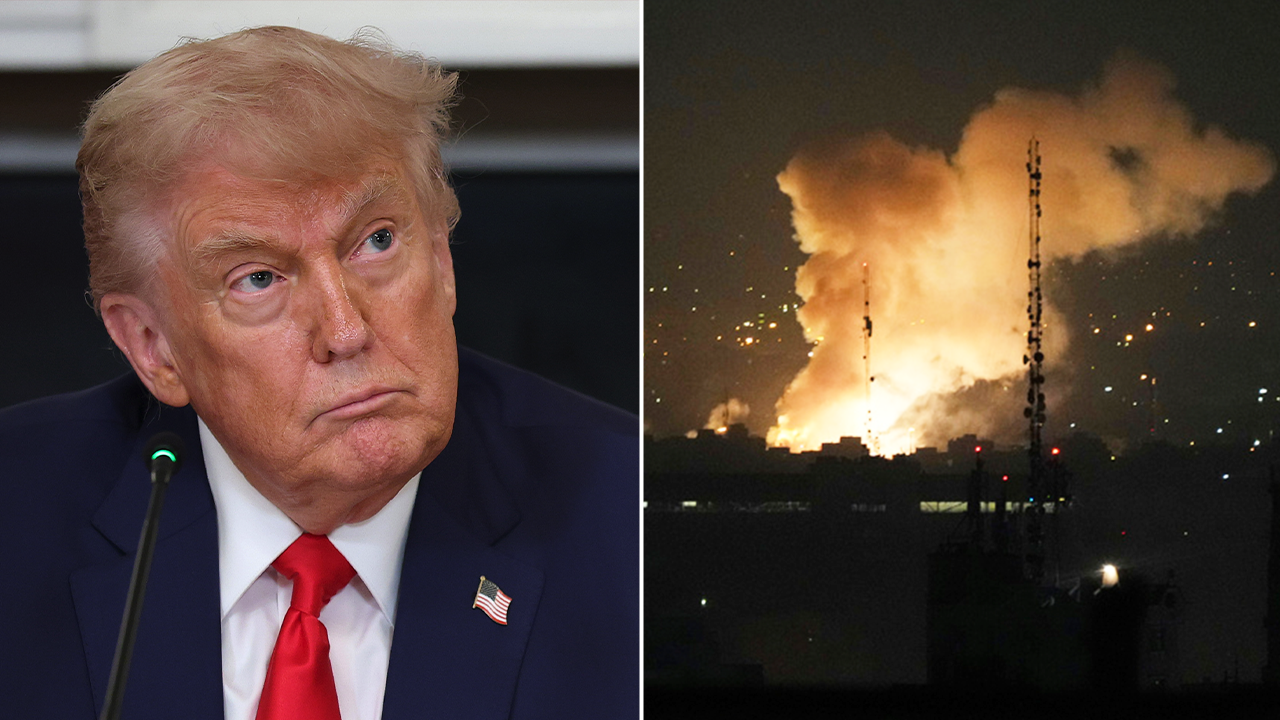
The destruction of the B1 bridge in Karaj is not merely a tactical hit on a piece of concrete; it is a calculated psychological strike aimed at the very heart of the Iranian regime's domestic image. On April 2, 2026, President Donald Trump stood before the cameras to announce that the "biggest bridge in Iran comes tumbling down," signaling a shift in the five-week-old conflict from purely military targets to the vital infrastructure that sustains civilian life. While the headlines focus on the dramatic collapse of the 136-meter-high suspension span, the reality on the ground is a grim tableau of "double-tap" strikes and a rapidly expanding target list that now includes power plants and highways.
This is the second month of Operation Epic Fury, and the strategy has pivoted. After dismantling much of Iran's traditional naval and air capabilities, the U.S.-led coalition is now gutting the nation’s internal connectivity. The B1 bridge, a $400 million project connecting Tehran to Karaj, was a crown jewel of Iranian engineering. By dropping it, the U.S. is not just cutting a commute; it is demonstrating that no project, no matter how prestigious or shielded, is safe.
The Strategy of Infrastructure Decapitation
The attack on the B1 bridge was executed with a precision that suggests more than just a desire to block a road. According to reports from the Alborz Province, the span was struck twice. The first hit drew in emergency responders and onlookers; the second, a "double-tap" maneuver, significantly increased the casualty count, leaving at least eight dead and nearly 100 wounded. This tactic, often criticized in international law, serves a specific purpose in this theater: to paralyze the state’s ability to respond to crises.
By targeting the Qom-Tehran highway shortly after, the coalition is effectively encircling the capital. Tehran is a city that breathes through its transit arteries. When those are severed, the resulting congestion and supply chain failures create a domestic pressure cooker that no amount of state propaganda can mask.
Key Objectives of the Infrastructure Campaign:
- Economic Paralysis: Disrupting the movement of goods between industrial hubs like Karaj and the capital.
- Psychological Dominance: Proving the regime cannot protect its most celebrated modern achievements.
- Resource Diversion: Forcing the IRGC to move air defense assets away from nuclear sites to protect civilian bridges and grids.
The Mirage of "Nearing Completion"
In his White House address, Trump claimed the war is "nearing completion" and that the U.S. holds "all the cards." This weary confidence echoes the rhetoric of past conflicts, yet the situation in the Strait of Hormuz tells a more complicated story. While the U.S. Navy has effectively neutralized the Iranian surface fleet, the "chokehold" on global energy supplies remains tight. Iran has pivoted to asymmetric retaliation, utilizing drone swarms and shore-to-ship missiles that continue to drive global gas prices to record highs.
The administration’s insistence that the threat is "nearly eliminated" ignores the resilience of Iran’s decentralized command structure. Even as bridges fall, Iranian proxies in Yemen and Lebanon have intensified their own missile barrages, targeting Tel Aviv and U.S. assets in the Gulf. This is not a defeated enemy; it is an evolving one. The destruction of civilian infrastructure like the B1 bridge may actually be a sign of frustration—an attempt to force an "unconditional surrender" from a leadership that has proven willing to let its population suffer to maintain its grip on power.
The Looming Blackout
The most chilling aspect of the current escalation is the threat against Iran’s power grid. Trump has explicitly stated that electric generating plants are next on the list. Striking a bridge is a localized disaster; striking a national power grid is a humanitarian catastrophe.
In a country of 85 million people, a total loss of electricity means the failure of water treatment plants, hospital backup systems, and food refrigeration. The coalition is betting that the Iranian public will blame their own leaders for this misery and rise up. However, historical precedent suggests that such "strategic bombing" of civilian life often has the opposite effect, galvanizing a population against an external aggressor.
The B1 bridge was still under construction, a symbol of Iran’s future. Now, it lies in the Karaj River, a mangled heap of steel and cable. As the smoke clears over Alborz Province, the message from Washington is unmistakable: the "Stone Age" is not just a figure of speech; it is a planned destination. The war has moved past the stage of surgical strikes and into a phase of total systemic dismantling.
If Tehran does not "make a deal" soon, the bridges will be the least of their losses. The lights are about to go out.