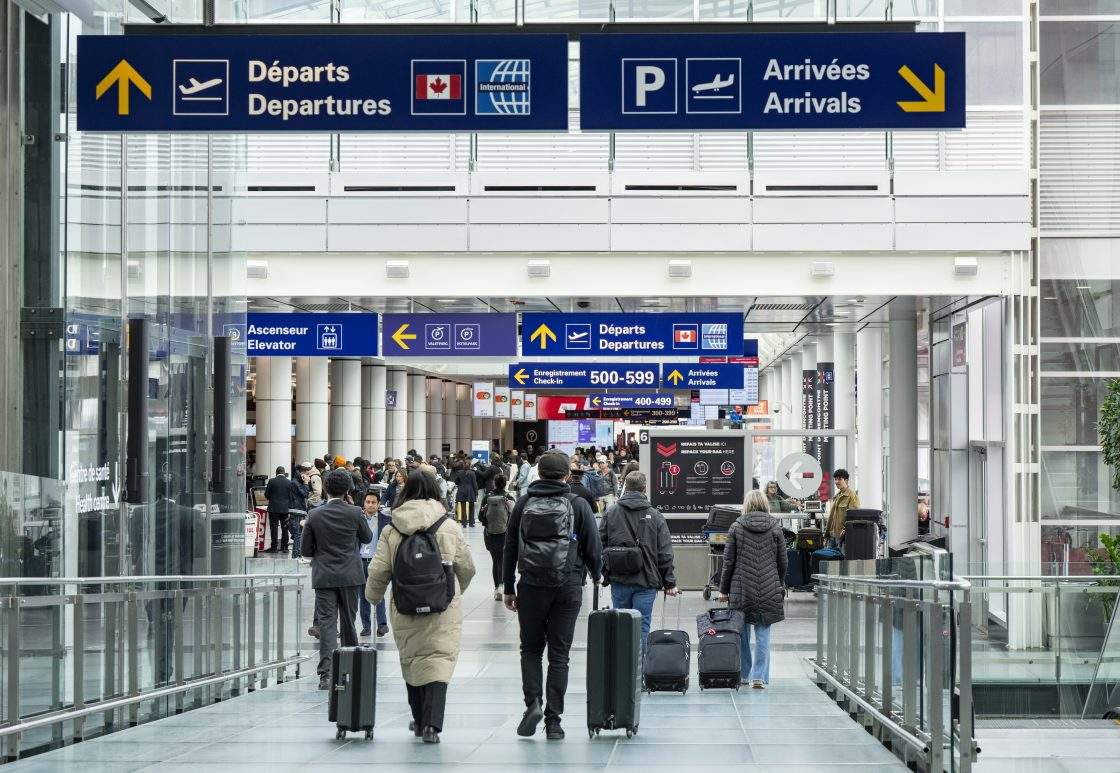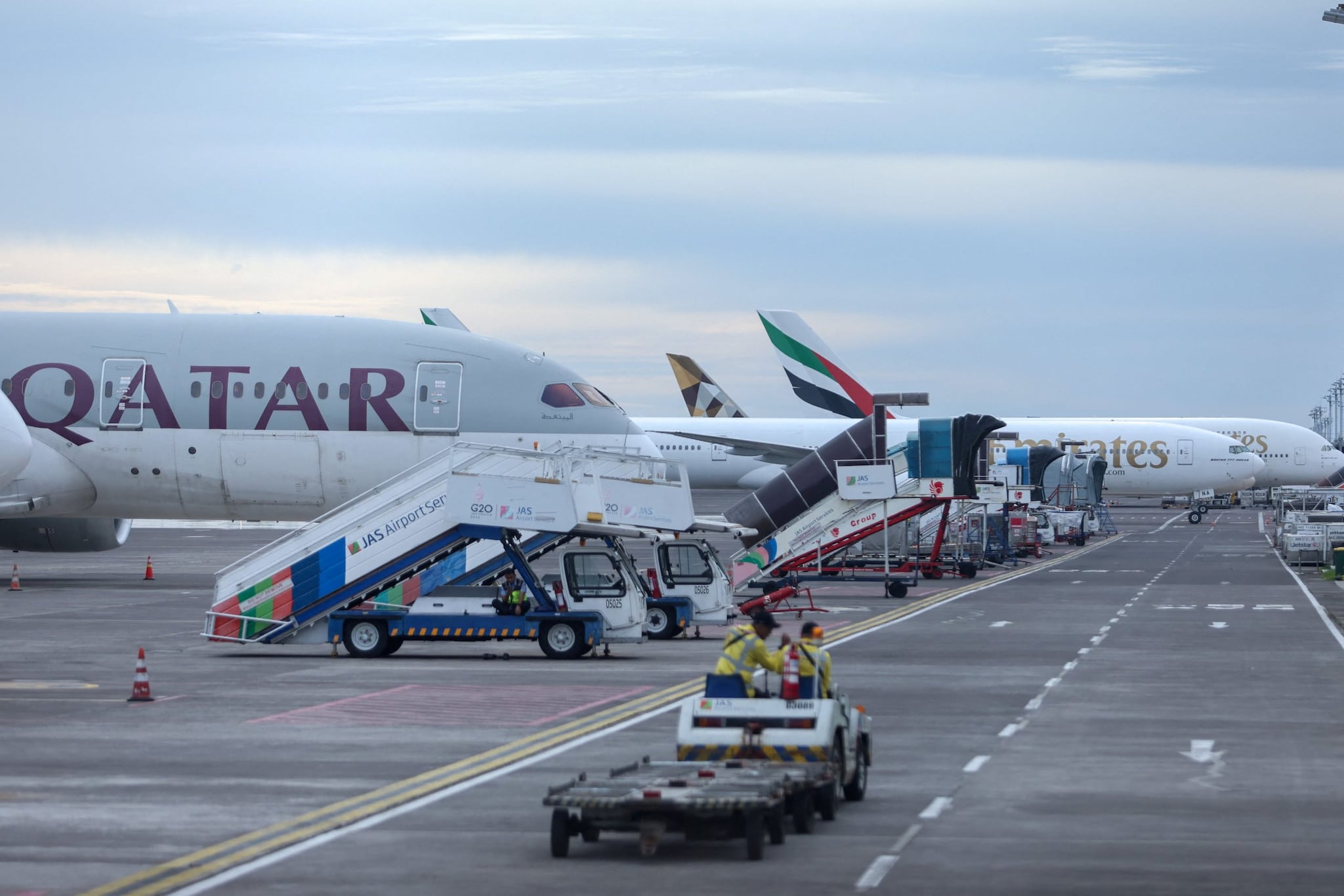
The headlines suggest a corner has been turned. On paper, the 2026 ceasefire between the United States and Iran has held for over a month, prompting a cautious reopening of the world's most critical transit corridors. But for anyone sitting in a boardroom in Dubai or a flight deck over the Arabian Sea, the "positive update" being sold to the public feels like a dangerous oversimplification. The reality is far more volatile. While the West Asia ceasefire ostensibly remains in place, the aviation industry is currently operating in a state of high-stakes improvisation that masks deep structural damage and a terrifyingly low threshold for total collapse.
On May 4, 2026, just 48 hours after the UAE’s General Civil Aviation Authority (GCAA) declared the skies fully open, a barrage of Iranian drones and missiles struck the Fujairah Petroleum Industries Zone. The attack was a surgical reminder of how irrelevant a signed ceasefire can be in a theater of proxy wars. The industry's reaction was a frantic, uncoordinated scramble. Flights into Dubai International (DXB) were held in holding patterns for hours or diverted to secondary hubs that were already struggling with fuel shortages. This is not a "recovery." It is a managed crisis.
The Mirage of Open Skies
The primary deception in current reporting is the notion that "open airspace" equals "normal operations." It does not. European regulators, led by EASA, have maintained their conflict-zone advisories despite the diplomatic thaw. This creates a bifurcated sky. On one hand, Gulf heavyweights like Emirates and Qatar Airways are aggressively restoring capacity—Emirates is already claiming 96% network restoration. On the other, European legacy carriers like Lufthansa and British Airways remain largely grounded on these routes, citing unmanageable insurance premiums and the literal threat of being caught in a fresh wave of kinetic activity.
This disparity has created an artificial monopoly for regional carriers, but it is a hollow victory. The jet fuel crisis triggered by the closure of the Strait of Hormuz has sent prices north of $1,500 per tonne. While the planes are flying, the margins are being incinerated. For every flight that resumes, an airline is gambling on a fuel supply chain that is currently being held together by U.S. naval escorts and sheer luck.
The Insurance Trap
Behind the scenes, the real power over these flight paths isn't held by civil aviation authorities, but by the maritime and aviation underwriters in London. They have seen the data. Since the escalation began on February 28, more than 60,000 flights have been canceled. The risk of "collateral damage" from misidentified aircraft remains at levels not seen since the Cold War.
- Risk Premiums: Airlines are currently paying "war risk" surcharges that make low-cost long-haul travel a mathematical impossibility.
- Corridor Instability: A single missile alert in Oman or a drone sighting in Sharjah can trigger an immediate 48-hour suspension of coverage for specific routes.
- Operational Friction: Pilots are now required to maintain "active monitoring" of military frequencies, adding a layer of psychological fatigue to an already strained workforce.
The Fuel Paradox and Asian Hubs
The crisis has shifted the center of gravity for global transit. With the Gulf hubs operating under a cloud of uncertainty, traffic is hemorrhaging toward Singapore, Tokyo, and even Central Asian corridors. However, these alternatives lack the infrastructure to absorb the 227 million annual passengers that typically pass through the Middle East.
We are seeing a massive reduction in "beyond-hub" capacity. Airlines are trimming less profitable routes to save fuel for their flagship segments. If you are flying a secondary route between Europe and Southeast Asia, you aren't just facing delays; you are facing the permanent deletion of your flight path.
The jet fuel shortage is particularly acute in Asia, where crude inventories have plummeted by 13%. This has led to a bizarre scenario where a flight might take off from an "open" Dubai airport only to find it cannot secure enough fuel for the return leg from its destination in East Asia. This is the operational ripple effect that the ceasefire updates conveniently ignore.
Why the Ceasefire is a Technicality
Geopolitically, the ceasefire is a pause, not a resolution. The U.S. military is still actively guiding commercial vessels through the Strait of Hormuz. When the military has to act as a concierge for global trade, the environment is fundamentally hostile. The recent drone strike in Fujairah proved that "non-state actors" or "rogue elements" can bypass the high-level diplomatic agreements at will.
For the traveler, this means the return of the "ghost schedule." Airlines are listing flights to maintain their slot allocations at major airports, only to cancel them 24 to 48 hours before departure when the risk assessment changes. It is a cynical game of musical chairs played with passenger itineraries.
The End of Cheap Global Connectivity
The most brutal truth of the 2026 aviation landscape is that the era of the $800 round-trip ticket between London and Sydney—fueled by cheap Gulf transit—is dead. The costs of rerouting, the skyrocketing price of jet fuel, and the permanent hike in insurance rates are being baked into the base fare.
Even if the ceasefire holds for another six months, the industry has lost its "buffer." There is no longer any spare capacity in the system. Any further disruption, no matter how small, will now result in immediate, region-wide groundings. The "positive update" isn't an all-clear signal. It is a warning to prepare for a world where air travel is more expensive, less reliable, and perpetually one missile away from a total standstill.
Stop looking at the flight boards and start looking at the fuel tankers. The security of the sky is currently tied to the stability of the sea, and right now, the water is anything but calm.