The ink on a presidential decree doesn't just change policy. It changes the way a father in Tehran sleeps. It alters the way a sailor in the Strait of Hormuz grips a railing. In the high-stakes theater of global diplomacy, we often track the movement of aircraft carriers and the fluctuations of Brent crude, but we forget the silence.
Right now, that silence is the story.
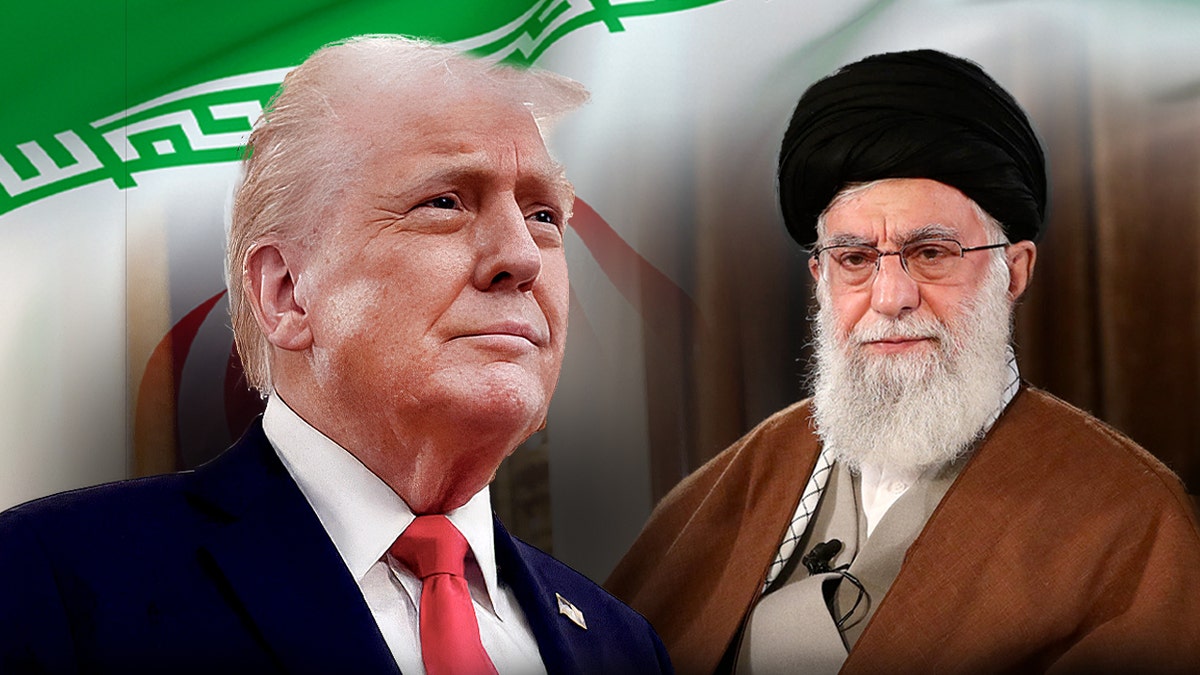
Donald Trump has extended a unilateral ceasefire with Iran, a move that feels less like a white flag and more like a long, calculated pause. It is a state of "neither war nor peace." To understand what this means, you have to look past the podiums in Washington and see the invisible lines of tension stretching across the globe.
The Weight of a Pen
A pen stroke in the Oval Office travels fast. It crosses the Atlantic, skips over the Mediterranean, and settles heavily in the dusty streets of Isfahan. For the people living under the shadow of potential conflict, a "prolonged ceasefire" isn't a political bullet point. It is a reprieve.
Think of a hypothetical family in Shiraz. Let’s call the father Reza. For months, Reza has been watching the news with a knot in his stomach, wondering if the sky will stay empty or if it will suddenly fill with the roar of engines. When the news of the extension breaks, the knot doesn't disappear. It just loosens.
This is the reality of unilateralism. One side holds the stopwatch. The other side simply waits to see when the button will be pressed again. By extending this period of non-aggression without a formal treaty, the administration has created a strange, liminal space. It is a room where everyone is holding their breath, waiting for a conversation that never quite starts.
The Strategy of the Indefinite
The mechanics of this decision are rooted in a specific kind of pressure. Traditional diplomacy is a dance. Two partners move in sync, following established rules. This, however, is a solo performance.
By refusing to commit to a permanent peace while simultaneously refusing to pull the trigger, the U.S. keeps its adversary in a state of perpetual readiness. Readiness is expensive. It is exhausting. You cannot build a stable economy when you are constantly bracing for impact. You cannot invite investment when the "ceasefire" is a week-to-week grace period.
The facts are clear: the economic sanctions remain a suffocating reality. While the bombs aren't falling, the currency is. Inflation in Iran has turned simple grocery trips into exercises in desperation. The "neither war nor peace" status quo is a slow-motion siege. It achieves the exhaustion of a conflict without the messy optics of a battlefield.
Consider the perspective of a young entrepreneur in Tehran trying to launch a tech startup. In a world of peace, they find investors. In a world of war, they find a uniform. In this middle world—this gray zone—they find nothing but a void. No one wants to build on a fault line, even if the ground isn't shaking today.
The Invisible Stakes at Sea
The tension radiates outward to the water. The Strait of Hormuz is a narrow throat through which the world’s energy flows. Every tanker that passes through is a gamble.
When the U.S. extends a ceasefire unilaterally, it sends a signal to the naval commanders in those waters. The rules of engagement become a moving target. Silence can be more terrifying than noise because you don't know what it’s hiding. Is the pause a sign of a new deal in the works? Or is it the silence of a hunter waiting for the perfect shot?
The sailors on those massive tankers feel the shift. They see the gray hulls of warships on the horizon. They know that a single misunderstanding, a single stray drone, or a misinterpreted radar blip could end the "neither war nor peace" era in a matter of seconds.
The extension is a psychological game as much as a military one. It forces the opponent to stay at a high alert level ($DEFCON$ style readiness) while the U.S. maintains the luxury of the initiative. It is the ultimate exercise of power: the power to do nothing, and by doing nothing, control everything.
The Human Cost of Uncertainty
We often speak of "geopolitical stability" as if it were a weather pattern. It isn't. It is the sum of millions of individual anxieties.
The ceasefire extension is a gift with a hidden price tag. The price is the future. You cannot plan a life in a "prolonged" pause. You cannot decide whether to stay or leave, to buy or sell, to hope or despair.
Wait.
That is the command issued by this policy. Wait for the next tweet. Wait for the next press briefing. Wait for the next unilateral move.
The "peace" being offered isn't the peace of a handshake. It’s the peace of a standoff where one person has their hand on the holster and the other has their hands in the air. It’s a peace that feels like a countdown.
Beyond the Headlines
The technical reality is that this move bypasses the traditional channels of the State Department and international intermediaries. It is direct. It is blunt. It ignores the protests of allies and the warnings of historians who argue that "neither war nor peace" usually ends in a sudden, violent correction.
History shows us that these gray zones are rarely sustainable. Eventually, the tension becomes too great for the structure to hold. Someone flinches. Someone miscalculates. Someone decides that the pain of the status quo is worse than the risk of the unknown.
But for now, the status quo remains. The planes stay on the decks of the carriers. The missiles stay in their silos. The father in Tehran tucks his daughter into bed and hopes that "prolonged" means "forever," even though he knows it probably doesn't.
The world watches the clock. The hands move, but the alarm hasn't gone off yet. We are living in the space between the lightning and the thunder, counting the seconds, wondering just how far away the storm really is.
The lights stay on in the war rooms. The monitors flicker with the movement of troops and the shifting of shadows. Somewhere, a pen is put back in a drawer, its work done for the day, leaving a hundred million people to wonder what tomorrow's ink will bring.