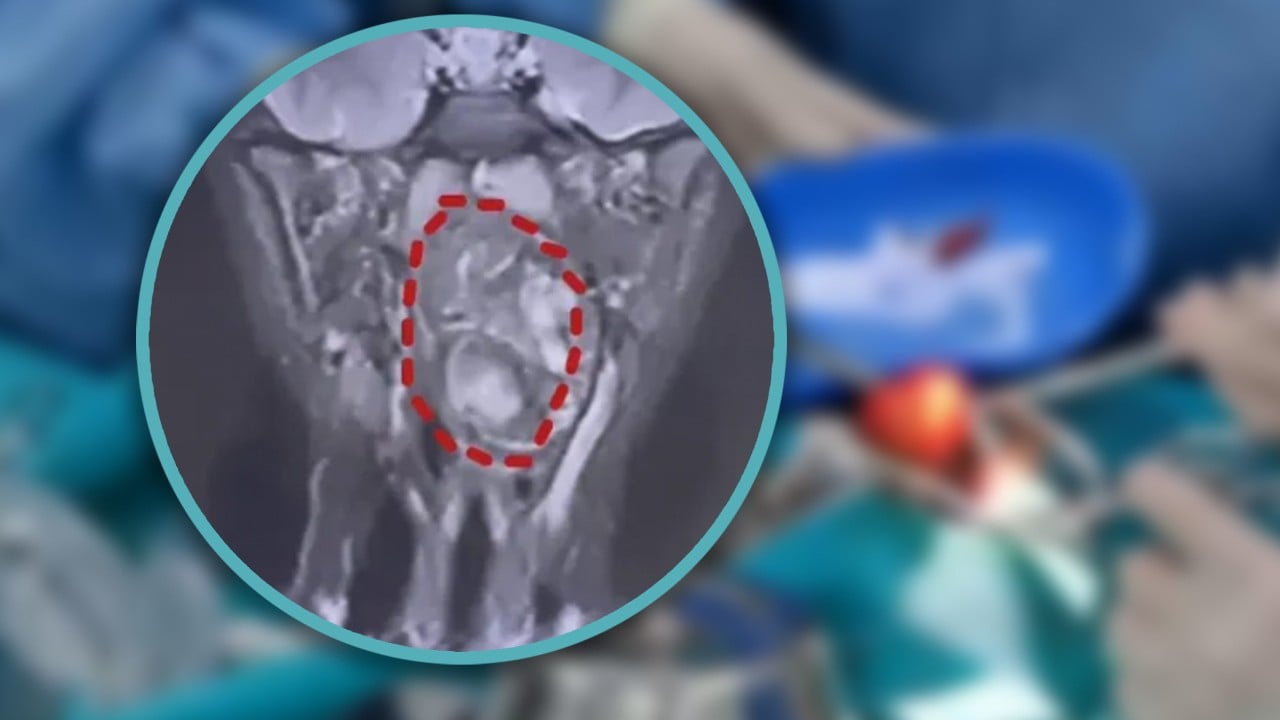
Family-based organ donation is a sentimental tragedy disguised as a triumph of the human spirit. We celebrate the "heroic" sibling who gives up a kidney to save their brother, but we rarely talk about the underlying coercion. When a family member is a match, the "choice" to donate isn't a choice at all—it is a hostage situation mediated by bloodlines and Sunday dinners.
The current medical consensus treats altruism as the only ethical fuel for transplantation. This is a lethal delusion. By relying on the "gift of life" from relatives, we have created a system that is inefficient, medically suboptimal, and ethically compromised. We are effectively running a multi-billion dollar medical industry on the back of bake-sale logic and emotional blackmail.
The Myth of the Voluntary Sibling Donor
Let’s strip away the Hallmark card aesthetic. When a patient needs a kidney, the first thing the medical establishment does is scan the family tree. This puts every healthy relative in a biological crosshair.
If you are a match for your sister, saying "no" isn't a medical preference; it's a social death sentence. I have seen the internal mechanics of these families. The donor often feels a quiet, simmering resentment that lasts decades. The recipient carries a debt that can never be repaid, creating a power imbalance that poisons the relationship.
We call this "informed consent." In reality, it is systemic pressure. True consent requires the absence of duress. You cannot have an absence of duress when the alternative is watching your sibling die while your mother glares at you across the hospital waiting room.
The Biological Inefficiency of Blood Matches
The "lazy consensus" suggests that family matches are always superior. While HLA (Human Leukocyte Antigen) matching is better within families, the narrow focus on biological relatives ignores the massive potential of cross-match optimization through a decentralized, incentivized market.
The math of family donation is restrictive. You are limited to a pool of maybe two or three people. In a global, legalized market, a patient in Chicago could be matched with the most compatible donor in Helsinki based on a perfect algorithmic hit, rather than "whoever happens to be at the Thanksgiving table."
$$P(\text{match}) = \frac{n}{N}$$
Where $n$ is the family pool and $N$ is the global population. Relying on $n$ is statistically absurd when $N$ is available. We are choosing lower-quality biological matches because we are terrified of the "transactional" nature of a better solution.
The Case for the $100,000 Kidney
The primary argument against paying for organs is that it "exploits the poor." This is peak intellectual dishonesty. We allow the poor to work in coal mines, enlist in infantries, and participate in phase-one clinical trials for experimental drugs. Yet, when it comes to a procedure that has a lower mortality rate than a gallbladder removal, we suddenly find our moral compass and demand that the donor receive exactly zero dollars.
If we legalized and regulated the sale of kidneys, the price would likely stabilize around $50,000 to $120,000 in a developed economy.
- The Insurance Math: It costs roughly $90,000 per year to keep a patient on dialysis.
- The Transplant Math: A one-time payment to a donor, plus the surgery, pays for itself in less than two years.
- The Outcome: The donor gets a life-changing sum of capital, the recipient gets a high-quality organ without the family baggage, and the taxpayer stops subsidizing the slow death of the dialysis industry.
We aren't protecting the poor by banning sales; we are sentencing them to die on waiting lists while the wealthy "find" donors through private networks or travel to jurisdictions with less oversight and higher surgical risks.
The Dialysis Lobby is the Real Villain
Follow the money. The reason we haven't disrupted the "altruistic" model isn't because of ethics; it's because dialysis is a massive, recurring revenue stream. Companies like DaVita and Fresenius Medical Care dominate the market. A kidney transplant is a "cure" that ends a subscription.
Every year a patient stays on a waiting list, hoping for a "selfless" sibling to step up, is another year of profit for the dialysis centers. These corporations have zero incentive to see the organ supply expand through a market-based model. They prefer the status quo where organs are scarce, because scarcity keeps people hooked to their machines three days a week.
Precision Over Propinquity
We need to stop asking "Who do you love?" and start asking "Who is the best molecular match?"
Technology has moved past the need for familial desperation. With CRISPR and advanced immunosuppressants, the "sibling advantage" is shrinking. We are entering an era where a perfectly screened, healthy 25-year-old stranger is a better donor than a 50-year-old brother with early-stage hypertension.
The medical community's obsession with "the gift" prevents us from implementing a "system." A system would involve:
- State-Guaranteed Compensation: The government pays the donor, removing the "buying an organ" stigma from the recipient.
- Lifetime Health Coverage: Donors receive premium health insurance for life as part of the deal.
- Strict Actuarial Oversight: Donors are screened by independent boards with no connection to the recipient, eliminating the "guilt" factor.
The Hidden Cost of Altruism
When a sibling donates, the family unit loses two productive members during the recovery period instead of one. If the donor suffers a complication—rare, but possible—the family is doubly devastated. We are putting all our eggs in one genetic basket.
In a professionalized market, the donor is an independent actor. They aren't the primary caregiver for the recipient. They aren't the person the recipient has to live with. This separation of "biological source" and "social support" is vital for the psychological health of the transplant community.
Stop Celebrating the Sacrifice
Every time a news outlet runs a "heartwarming" story about a brother giving a kidney to a brother, they are reinforcing a broken paradigm. They are telling the 100,000 people on the waiting list that their only hope is to have a generous relative or to win the "altruism lottery."
It is time to admit that altruism has failed. It produces a shortage that kills 13 people every single day in the United States alone. If any other supply chain had a 90% failure rate, we would fire the executives and overhaul the mechanics. Instead, we write poems about the "bond of blood."
The "Gift of Life" is a beautiful sentiment, but it’s a shitty policy.
Stop waiting for a hero. Start demanding a market.
Professionalize the harvest. Compensate the donor. End the dialysis monopoly. Anything less is just sentimentalized homicide.
If you’re still waiting for your brother to "offer" his kidney, you aren't waiting for a miracle; you’re waiting for a hostage to surrender.
Get the family out of the operating room.

.jpg?width=1200&auto=webp&trim=1%2C0%2C2%2C0)