The air inside a diplomatic summit doesn't smell like history. It smells like expensive upholstery, over-brewed coffee, and the faint, metallic tang of adrenaline.
In these rooms, a single word can shift the trajectory of a million lives. A mistranslation might move a carrier strike group. A smirk could shutter an oil refinery. When Emmanuel Macron stepped toward the microphones to urge the world to "calm down," he wasn't just offering a platitude. He was trying to lower the oxygen level in a room that was dangerously close to flashpoint.
To understand why a French president is pleading for a collective exhale, you have to look past the podiums. You have to look at the people who don't have seats at the table.
The Ghost at the Negotiating Table
Think of a shopkeeper in Tehran named Arash. He doesn't care about the intricacies of uranium enrichment percentages or the legalistic phrasing of a sunset clause. He cares that the price of eggs has tripled in a month. He cares that his daughter’s asthma medication is becoming a luxury item because of trade blockades. For Arash, the "tension" the news anchors talk about isn't an abstract geopolitical concept. It is a tightening knot in his stomach every time he checks his bank balance.
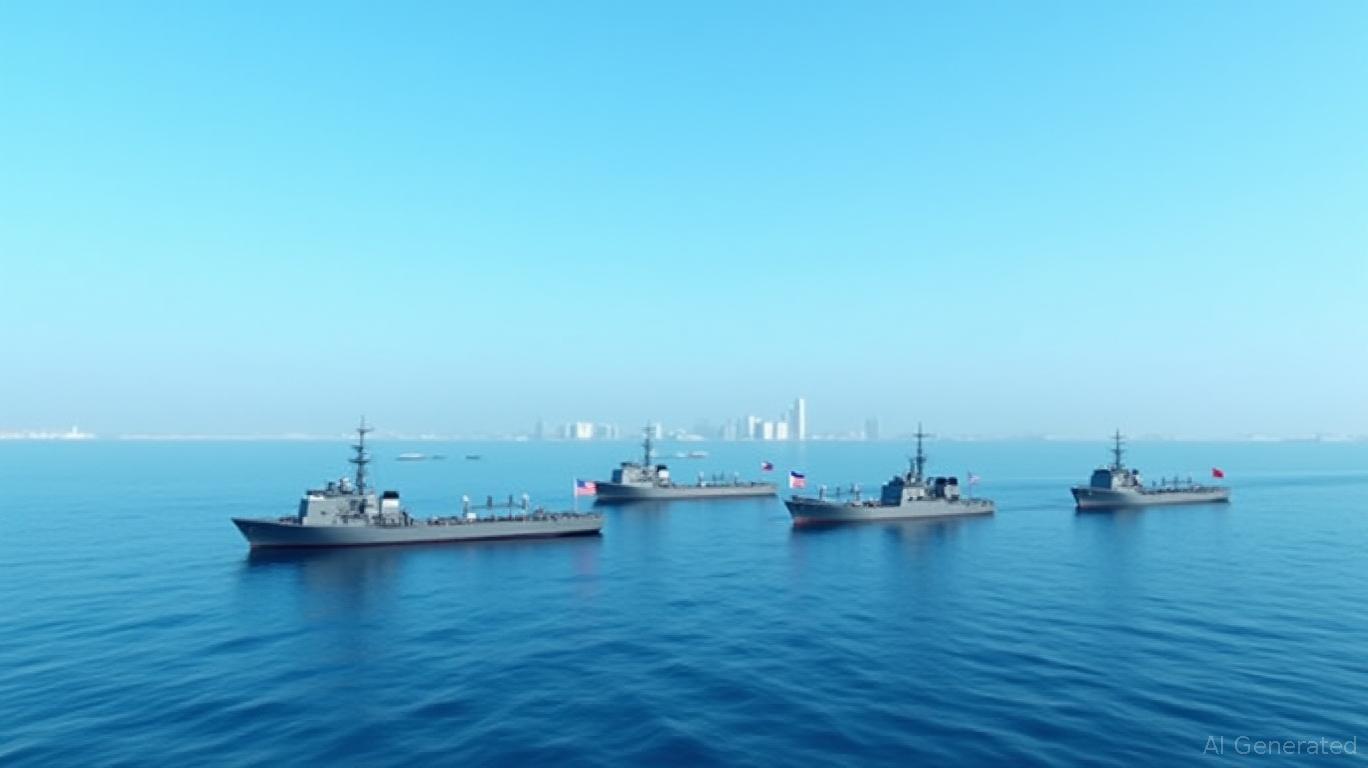
Across the ocean, consider a young sailor on a destroyer in the Persian Gulf. He spends his nights staring at a green radar screen, watching blips that could be a fishing boat or a precursor to a swarm attack. He is twenty-one years old. He is tired. He is thousands of miles from home, and his life depends entirely on whether two governments—who haven't spoken directly in decades—can find a way to stop shouting long enough to whisper.
This is the human geography of the US-Iran conflict. It is a map made of nerves, not borders.
When the rhetoric between Washington and Tehran spikes, the world feels smaller. The distance between a policy memo and a missile launch shrinks until it’s paper-thin. Macron knows this. He plays the role of the nervous neighbor who sees smoke coming from under the door of the apartment down the hall. He isn't just being polite. He’s trying to keep the building from burning down.
The Weight of a Handshake
For years, the relationship between these two powers has been a series of slammed doors. The 2015 nuclear deal was supposed to be the master key. It promised a future where Iran traded its centrifuges for a chance to rejoin the global economy. It was a fragile hope, built on thousands of hours of technical arguments and late-night pizza deliveries in Viennese hotels.
Then, the door was kicked off its hinges.
The withdrawal of the United States from that agreement transformed a cold peace into a hot mess. Sanctions returned like a fever. In response, Iran began spinning its centrifuges faster, creeping closer to the threshold of a nuclear weapon. This isn't a game of checkers. It is a game of Jenga played in a hurricane. Every time a new sanction is layered on, or a new enrichment level is reached, the tower wobbles.
Macron’s recent intervention comes at the exact moment when the tower looks ready to topple.
The strategy of "maximum pressure" met the strategy of "maximum resistance." It was a collision of egos and ideologies that left the middle ground scorched. But now, there is a flicker of a possibility. A crack in the ice. The talk of a meeting—even a brief, scripted encounter—between the leadership of both nations has sent a shockwave through the global markets and the halls of power.
But why is "calm" so hard to achieve?
The Mechanics of Escalation
In psychology, there is a phenomenon called the "incitement spiral." It’s simple. I do something to protect myself. You see my move as a threat, so you do something to protect yourself. I see your reaction as proof that you were planning to attack me all along. Repeat until someone pulls a trigger.
Breaking that spiral requires more than just a policy shift. It requires a loss of face. In the world of high-stakes diplomacy, admitting you want peace is often seen as a confession of weakness.
Consider the "tanker wars" that periodically erupt in the Strait of Hormuz. A mine attaches to a hull. A drone is swatted out of the sky. To the generals, these are strategic "signals." To the crew on those ships, these are moments of pure, unadulterated terror. They are the collateral damage of a signaling exercise gone wrong.
Macron is essentially acting as a human circuit breaker. He is betting that if he can force a pause, the logic of the spiral might lose its momentum. He is gambling on the idea that both sides are secretly exhausted by the tension. They are like two marathon runners who have hit the wall but refuse to stop because they think the other person is still sprinting.
The Invisible Stakes
If the talks fail, the cost isn't just a headline.
The cost is the destabilization of Iraq, a country that has spent decades trying to scrape its way out of the dirt, only to find itself used as a playground for foreign proxies. The cost is the security of Israel, where the shadow of a nuclear Iran creates an existential anxiety that dictates every aspect of national life. The cost is the global transition to clean energy, which stalls every time a crisis in the Gulf sends oil prices soaring, forcing nations back toward the easy, dirty reliability of fossil fuels.
But the most profound cost is the death of trust.
Trust is a non-renewable resource in diplomacy. Once you burn it, you can’t just buy more. The generation of diplomats who knew how to speak "Tehran" or "Washington" is retiring. They are being replaced by hawks who have only ever known a world of hostility. If this current window for a "calm down" closes, it might stay shut for a decade.
The Silence of the Room
There is a specific kind of silence that happens right before a major diplomatic breakthrough. It’s not a peaceful silence. It’s the silence of a breath being held.
The skeptics say that Macron is wasting his time. They argue that the fundamental differences between a revolutionary theocracy and a global superpower are too vast to be bridged by a charismatic Frenchman and a few platitudes about "calm." They might be right. The history of the last forty years suggests they are right.
But the alternative to the "calm" is a noise that no one wants to hear. It’s the sound of sirens in Tel Aviv, the roar of afterburners over the Gulf, and the cries of families in cities whose names we can’t yet predict.
Diplomacy is often mocked as a theater of the absurd—men in suits talking in circles while the world burns. But that talk is the only thing standing between us and the fire. When a leader tells the world to calm down, he isn't being weak. He is acknowledging that we are all trapped in the same room.
The matchsticks are already on the floor. The only thing left to do is decide not to strike the box.
The shopkeeper in Tehran is waiting. The sailor in the Gulf is waiting. The world is leaning in, straining to hear if the next sound will be a shout of defiance or the quiet, steady rhythm of two people finally sitting down to speak.