Bolton isn't exactly the first place that comes to mind when you picture the champagne-and-checkered-trousers world of elite global golf. But if Andy Burnham has his way, the mud and grit of a former mining estate in Over Hulton will be the center of the sporting universe by 2035. The Mayor of Greater Manchester isn't just dipping a toe in the water here. He’s diving in headfirst with a £240 million plan to bring the Ryder Cup to Hulton Park.
It’s a massive gamble. We’re talking about a golf course that doesn't actually exist yet. For some, it sounds like a pipe dream or, worse, a "vanity project" designed to bulldoze the green belt. But for Burnham and the developers at Peel Land, this is the silver bullet for the region’s economy. They aren't just looking for a weekend of golf; they’re looking for a £1.2 billion injection into the North West.
The billion pound pitch for Hulton Park
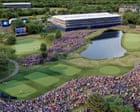
The scale of this bid is hard to wrap your head around. If the Ryder Cup lands in Bolton for its 50th edition in 2035, it wouldn't just be another tournament. Burnham is calling it the "biggest ever" Ryder Cup. We're looking at 65,000 spectators a day—roughly 350,000 across the week—descending on a 608-acre estate that’s been closed to the public for seven centuries.
Why Bolton? Why now? The logic is simple. England hasn't hosted the Ryder Cup since The Belfry in 2002. By 2035, that'll be a 33-year drought. The European side of the tournament is increasingly looking for "stadium" courses—venues built specifically to handle massive galleries and the logistical nightmare of modern TV production. Hulton Park is being designed from the dirt up to be exactly that.
It's not just about the fairways. The "Good Growth" plan Burnham is pushing involves a £500 million investment wave. A chunk of that—nearly £70 million—is already earmarked for the Park Avenue link road. This isn't just for golf fans. It’s meant to fix the soul-crushing congestion around Westhoughton and the Chequerbent roundabout that residents have been complaining about for decades.
Breaking the green belt deadlock
Let's be honest, the road to this point has been a mess. The local planning committee originally threw the plans out with a 15-1 vote. They were worried about the destruction of historic parkland and the impact of 1,000 new executive homes. The Hulton Estate Area Residents Together (HEART) group, backed by Bolton-born actor Maxine Peake, has fought this every step of the way. They see it as a "crime motivated by greed."
But the government didn't agree. After two planning inquiries, the Secretary of State overruled the council. The catch? The whole development is conditional. If Bolton doesn't get the Ryder Cup, the houses don't get built, and the golf course stays on the drawing board.
In a move that feels like a legal chess match, Peel Land recently started work on a tiny, two-meter stretch of the "ceremonial driveway." Why? To stop their planning permission from expiring. It’s a procedural tweak that keeps the dream alive while they wait for the official decision from golf’s governing bodies, which might not come until 2027.
Competition from the South
Bolton isn't the only one at the table. To get the 2035 nod, it has to beat out some heavy hitters.
- The Belfry: The spiritual home of the Ryder Cup in England. It’s got history, but some wonder if it can still handle the sheer scale of the modern event.
- Luton Hoo: The Bedfordshire venue is already undergoing a massive renovation specifically to snatch this bid.
- London Golf Club: A Kent heavyweight that’s been on the shortlist for years.
Burnham’s edge is the "levelling up" narrative. He’s framing this as a northern success story, pointing to the recent success of the BRIT Awards in Manchester as proof that the region can handle world-class events. Having Southport’s own Tommy Fleetwood as the face of the bid doesn't hurt either. Fleetwood, who will be 44 in 2035 and a prime candidate for captaincy, has called the site "amazing" and "transformational."
The reality of the economic legacy
Critics often roll their eyes at the "economic impact" numbers thrown around for major events. They've heard it all before. But the Hulton Park proposal isn't just a golf course. It includes:
- A luxury 142-bed hotel and spa.
- A new primary school.
- 1,000+ homes (though the "executive" nature of these remains a point of contention).
- A world-class golf academy aimed at getting local kids into the sport.
The goal is to turn a private, decaying estate into a public asset. Peel argues that the parkland is currently "degraded" and that this project is the only way to fund its restoration. Whether you buy that or see it as a convenient excuse for a housing development depends on which side of the fence you sit on.
What happens if they win
If the bid succeeds, work will start in earnest, potentially as early as late 2026. This would trigger a decade of construction and infrastructure upgrades. We'd see the Atherton rail line get more frequent services and potentially a link to the Metrolink network.
The project is basically a bet that the North can become a global hub for sports tourism. It’s about moving beyond the "Manchester-centric" growth and pushing that investment into the surrounding towns. Burnham is essentially saying that if you want to fix the infrastructure in towns like Bolton and Wigan, you need a massive, world-altering event to force the government’s hand on funding.
Check the local planning portal for the latest "Park Avenue" road developments to see if the infrastructure matches the hype. You should also keep an eye on the DP World Tour’s venue announcements over the next 18 months. If you’re a local, attend the next Mayoral Development Corporation (MDC) meeting for Bolton—it’s where the actual decisions on land use and transport will be finalized, regardless of whether a single golf ball ever gets hit.