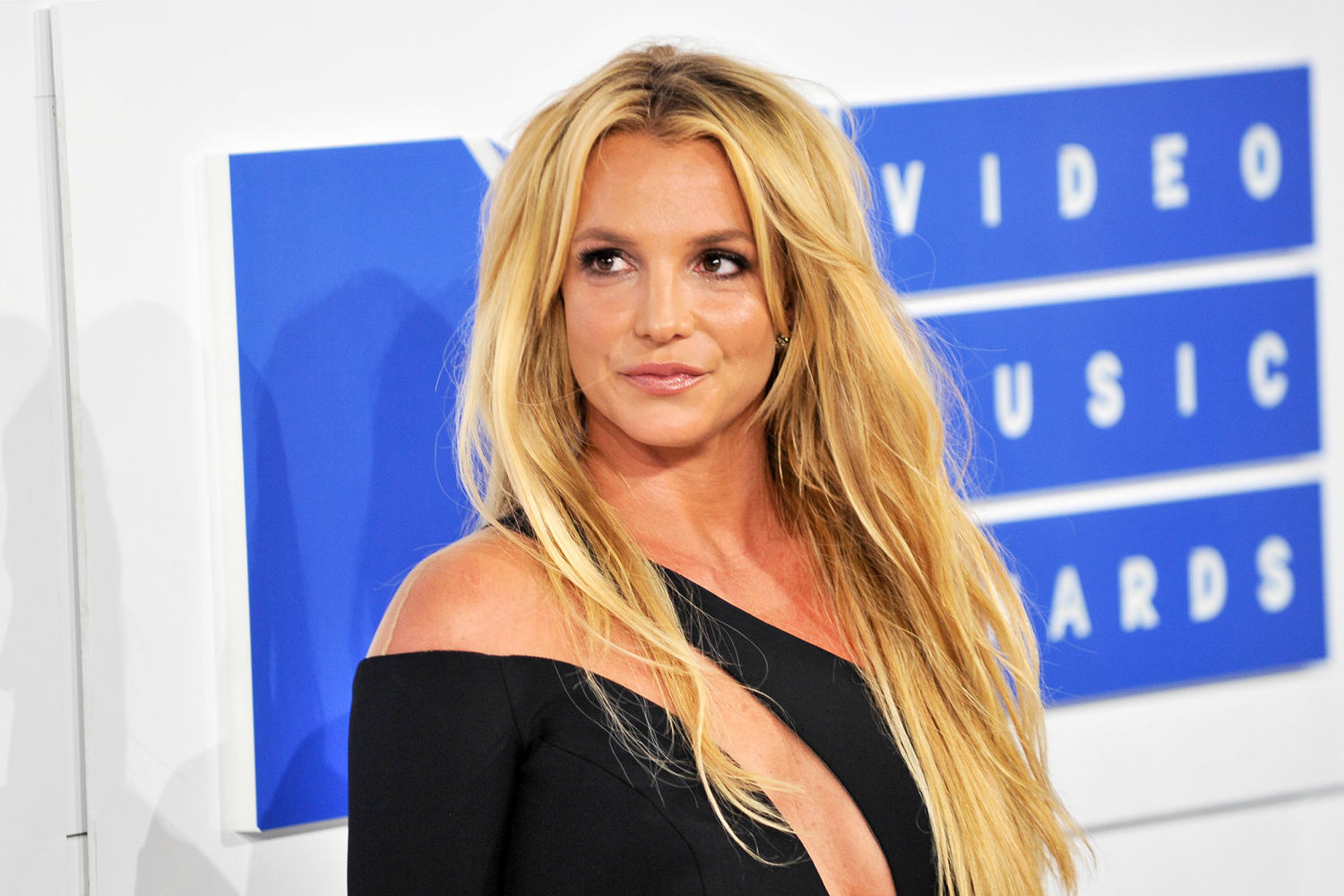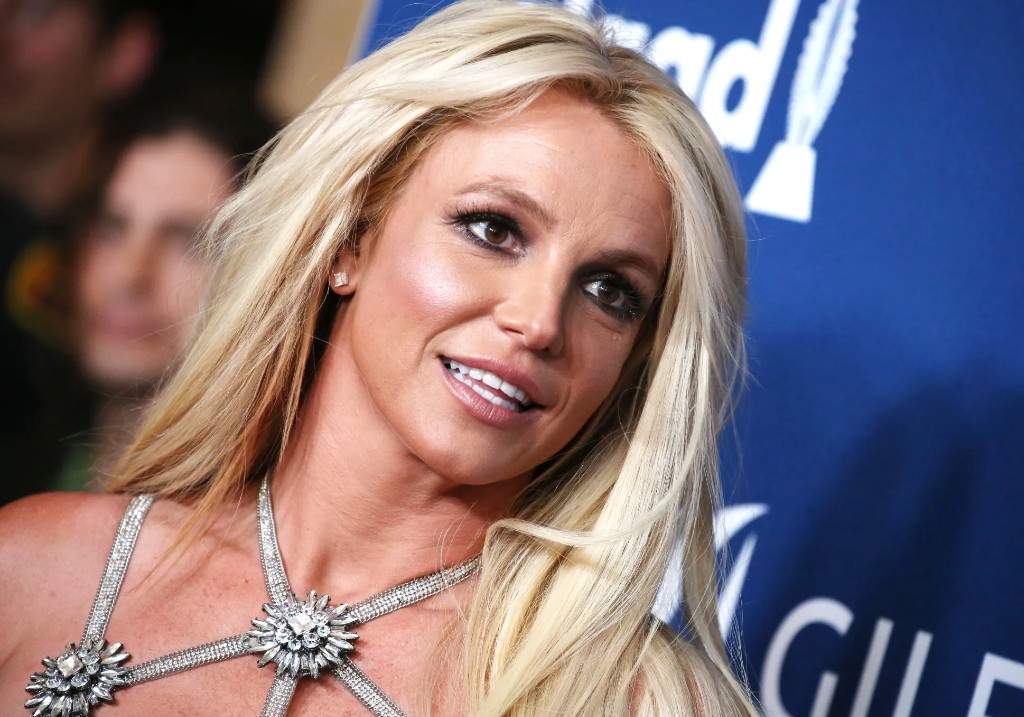
The arrest of a high-profile figure like Britney Spears on suspicion of Driving Under the Influence (DUI) in California is rarely a singular event; it is the visible failure of a multi-layered risk mitigation system. While tabloid narratives focus on the sensationalism of the flashing lights, a clinical analysis reveals a breakdown in the protective infrastructure that surrounds ultra-high-net-worth individuals (UHNWIs). This incident serves as a case study in the intersection of California’s strict Vehicle Code, the operational failures of private security details, and the long-term impact on brand equity valuation.
To understand the mechanics of this event, one must deconstruct the specific legal framework governing California's roadways, the logistics of modern celebrity movement, and the reputational cost functions that trigger the moment a booking photo enters the public domain.
The California Vehicle Code and the Threshold of Suspicion
California law operates under a dual-track system for DUI offenses, primarily governed by Vehicle Code sections 23152(a) and 23152(b). The former relates to driving under the influence of any alcoholic beverage, while the latter addresses driving with a Blood Alcohol Content (BAC) of 0.08% or higher. For a celebrity, the legal risk begins far before a breathalyzer test.
Under the "implied consent" laws of California, any person who drives a motor vehicle is deemed to have given their consent to chemical testing of their blood or breath if lawfully arrested for a DUI. A refusal results in an automatic one-year license suspension, creating a tactical dilemma for legal counsel:
- The Evidentiary Trade-off: Admitting to a chemical test provides the prosecution with objective data, but refusing it creates a "consciousness of guilt" argument that can be used in court.
- Probable Cause Requirements: Law enforcement must articulate specific "objective symptoms" of intoxication—such as slurred speech, watery eyes, or the odor of an alcoholic beverage—to move from a standard traffic stop to a custodial arrest.
In the case of Spears, the transition from a traffic stop to an arrest on suspicion indicates that the responding officers observed enough behavioral or physiological markers to satisfy the Fourth Amendment's probable cause standard. This is the first failure point in the celebrity’s operational orbit: the lack of a designated driver or a security intervention that prevents the principal from ever entering the driver’s seat.
The Failure of Protective Intelligence
Professional security for a global icon is not merely about physical defense; it is about administrative and behavioral oversight. When a high-profile individual is arrested for a DUI, it signifies a "systemic bypass" of their protective detail. There are three specific failure modes in this context:
- Operational Friction: The principal ignores the advice of the security lead, exerting personal agency that overrides safety protocols.
- Resource Misallocation: The security team is either understaffed or lacks the authority to intervene in the principal’s decision-making process.
- The Proximity Paradox: Over time, security personnel may become overly familiar with the client, leading to "protocol drift" where standard safety checks (like ensuring the client is not driving themselves while impaired) are relaxed.
The logistics of a DUI arrest create an immediate "information vacuum" that is filled by the first available public record. In California, arrest records are public, but the granular details—the actual BAC levels and the presence of other substances—often remain shielded until the arraignment. This delay creates a period of high volatility for the subject's brand, where the worst-case scenario becomes the default public assumption.
Quantifying Reputational Depreciation
A DUI arrest acts as a "negative multiplier" for an established celebrity brand. For an artist like Spears, whose career has been defined by a complex relationship with legal conservatorships and personal autonomy, a criminal charge resets the narrative of stability.
The cost function of a celebrity arrest can be categorized into three distinct layers:
Layer 1: Immediate Liquidity Impact
This involves the direct costs of legal defense, which for an A-list celebrity can reach six figures within the first 72 hours. This includes the retention of specialist "DUI Kings" (attorneys specializing in high-stakes vehicular defense), private investigators to vet the arresting officers' records, and crisis PR firms to manage the news cycle.
Layer 2: Contractual Contingency Triggers
Most modern endorsement contracts and performance agreements include "Morals Clauses." These clauses allow a brand to terminate a contract if the talent engages in behavior that brings them into public disrepute. A DUI is a standard trigger for these clauses. The risk here is not just the loss of future income, but the potential for "clawback" provisions where a brand seeks to recover previously paid signing bonuses.
Layer 3: The "Insurance Premium" Escalation
For a touring artist, the ability to secure event cancellation insurance and general liability coverage is paramount. A record of substance-related legal issues increases the risk profile in the eyes of underwriters at Lloyd's of London or similar entities. This results in significantly higher premiums or, in extreme cases, the inability to get insured at all, which effectively halts large-scale touring operations.
The Mechanics of California Criminal Procedure
Once the arrest is processed, the legal machinery moves through a standardized sequence that dictates the celebrity's public appearances for months.
- The DMV Administrative Per Se (APS) Hearing: Independent of the criminal court, the DMV moves to suspend the driver's license. The defense has only ten days from the arrest to request this hearing. Failure to do so results in an automatic suspension.
- Arraignment and Discovery: This is where the defense receives the "Police Report" and the "Lab Results." At this stage, a skilled legal team looks for "procedural gaps"—was the breathalyzer calibrated correctly? Was the blood draw conducted according to Title 17 regulations?
- The Plea Bargain vs. Trial: Statistically, over 90% of California DUI cases are settled via plea bargain. For a celebrity, the goal is often "Wet Reckless" (Vehicle Code 23103.5), a reduced charge that carries less social stigma and lower penalties than a standard DUI.
The Strategic Shift in Crisis Containment
The traditional "no comment" strategy is obsolete in the era of real-time social media documentation. To mitigate the damage of a DUI arrest, the legal and PR teams must execute a "simultaneous pivot."
While the legal team focuses on suppressing evidence (arguing the initial stop was unconstitutional), the PR team must transition the narrative from "criminality" to "health and wellness." This often involves the immediate, preemptive enrollment in a voluntary treatment program before it is mandated by a judge. This move serves two purposes: it provides "mitigating evidence" for the court and offers a "rehabilitation arc" for the public.
However, the efficacy of this strategy is limited by the "repetition effect." If an individual has a history of similar incidents, the "health crisis" narrative loses its credibility and is replaced by a "public safety risk" narrative. This is the critical juncture for Spears. As a figure who has spent years fighting for the right to self-govern, a DUI charge provides a powerful counter-argument to those who would question her capacity for safe autonomy.
The immediate strategic priority for any UHNWI in this position is the implementation of a "zero-drive" policy. This is not a suggestion but a contractual requirement for the security detail. The cost of a full-time professional driver is negligible compared to the 15% to 30% drop in brand valuation that follows a publicized criminal arrest. Moving forward, the focus must shift from reactive legal defense to proactive structural changes in daily operations. The principal must be removed from the logistics of transport entirely, treating vehicle movement as a high-security tactical operation rather than a personal convenience. This is the only way to insulate the brand from the volatility of individual impulse.