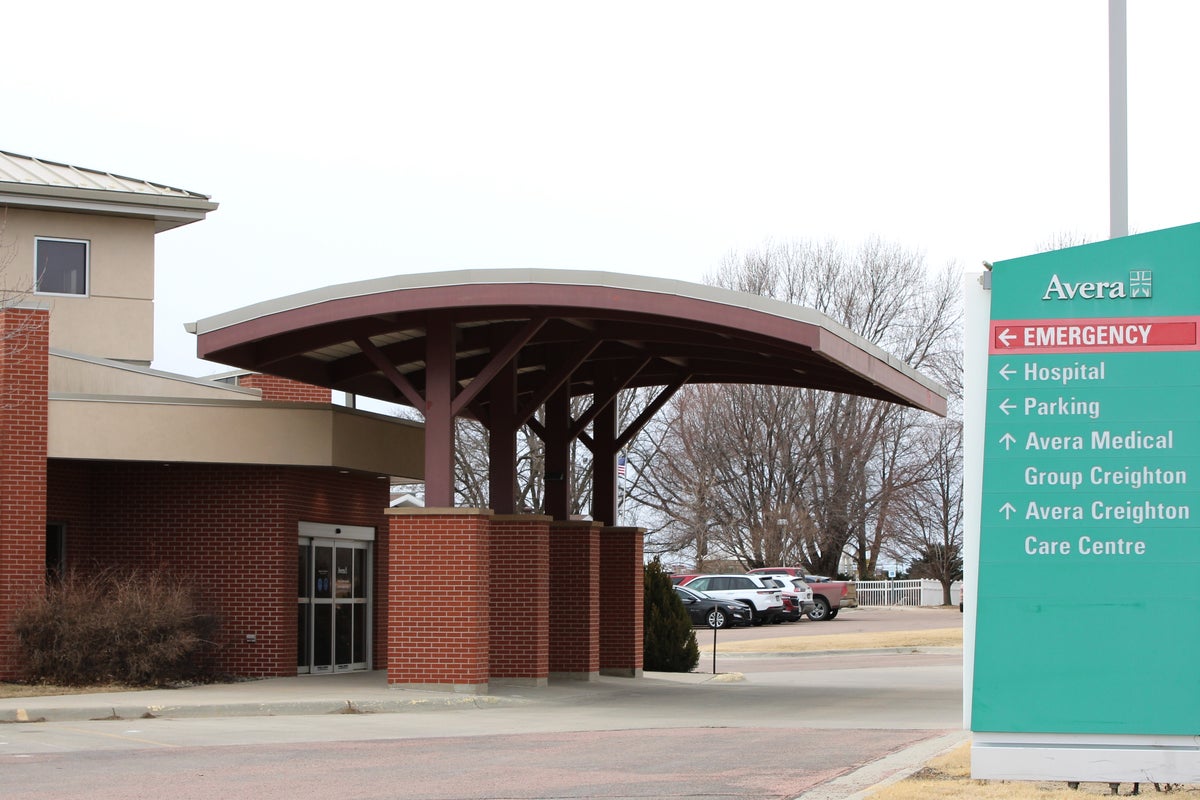
The headlines promised a "once-in-a-generation" rescue for the heartland. When the $50 billion Rural Health Transformation Program (RHTP) was announced, folks in towns like Creighton, Nebraska, thought help was finally coming. They saw the big numbers and assumed their local hospitals—the ones where their kids were born and their parents recovered from hip surgeries—would finally have the breathing room to fix the roof and keep the ER staffed.
It turns out the reality is a lot more complicated. And honestly, it’s a bit of a mess.
While $50 billion sounds like an infinite pool of money, it’s being spread across five years and 50 states. When you do the math, that’s $10 billion a year for the entire country. Compare that to the $137 billion rural hospitals are projected to lose over the next decade, and you start to see the problem. It’s a garden hose trying to put out a forest fire.
The real kicker? This money isn't even designed to "keep the lights on." It’s designed to change the system entirely, often at the expense of the very services locals rely on most.
The Innovation Trap
In Lincoln, state officials are excited about "transformation." Nebraska’s first slice of the pie is roughly $218 million. But if you're a hospital administrator in a town of 800 people, don't expect a check to cover your soaring utility bills or nursing payroll.
Nebraska’s plan focuses on "Big Ideas." We’re talking about $90 million for healthier school lunches, mobile sensors for remote patient monitoring, and AI-driven tech. Don't get me wrong; preventative health and better tech are great. But you can't "tech" your way out of a heart attack if the local ER has been "right-sized" into a glorified clinic.
That’s the term the government is using: right-sizing.
For hospitals at high risk of closing, the fund offers a measly $10 million to help them transition into "Rural Emergency Hospitals." In plain English, that means they stop offering inpatient care. No more overnight stays. No more recovery wings. You get stabilized in the ER and then shipped to a bigger city hours away. For a community like Creighton, where Avera Creighton Hospital is the lifeblood of the town, losing those beds feels less like a transformation and more like a controlled demolition.
Medicaid Cuts are Crushing the Bottom Line
You can’t talk about this new fund without talking about the massive cuts happening at the same time. While the federal government is handing out grants for "innovation," it’s also tightening the screws on Medicaid.
The current administration's tax-and-spending law included significant Medicaid work requirements and the end of certain subsidies. Experts at the KFF (formerly Kaiser Family Foundation) estimate these changes will pull billions out of the rural healthcare system.
It’s a classic shell game. The government takes away $10 with one hand through reimbursement cuts and gives back $2 with the other in the form of a "transformation grant" that you have to hire a consultant just to apply for.
I’ve seen this play out before. Small facilities like Big Sandy Medical Center or Avera Creighton operate on razor-thin margins. They don't have a team of grant writers. They have a CEO who is often also the head of HR and sometimes fills in at the front desk. When the government adds layers of red tape and compliance "innovation" requirements, these small guys often can't even get to the money.
The Workforce Gap Nobody is Solving
We love to talk about telehealth. It’s the darling of every policy paper written in a skyscraper. But telehealth doesn't work if you don't have a high-speed connection—something 22% of rural Nebraskans still lack. More importantly, telehealth can’t set a broken leg or deliver a baby.
Nebraska is facing a massive shortage of actual human beings in scrubs.
- 66 counties are primary care shortage areas.
- 88 counties are short on mental health providers.
- Over half the state is a "maternity care desert."
The RHTP allocates some money for "workforce pipelines," but that's long-term stuff. It doesn't help the nurse who is currently burnt out and considering a job at a big-city hospital for $20 more an hour. By focusing so heavily on "innovation" and "tech-enabled solutions," the fund ignores the immediate, desperate need for higher reimbursements that would allow these hospitals to pay competitive wages today.
Why Local Voice Matters More Than Ever
If you live in rural Nebraska, you know that your hospital is more than a medical facility. It’s a top employer. It’s the reason people feel safe moving back to their hometowns to raise families.
The Nebraska Hospital Association has been vocal about the fact that this $50 billion fund is a "Band-Aid that fails"—a direct jab at CMS Administrator Dr. Mehmet Oz, who claimed the program avoids exactly that. The friction between state officials and local providers is growing. While the state DHHS is busy releasing Requests for Applications (RFAs) for "Food as Medicine" initiatives, hospital boards are staring at spreadsheets wondering how to make payroll in June.
The disconnect is staggering. One side is dreaming of a high-tech future with remote sensors; the other is just trying to fix a failing HVAC system so the surgery suite stays at the right temperature.
How to Navigate the Chaos
If you're involved in local healthcare or just a concerned citizen, sitting back isn't an option. The money is there, even if it's not the "save-all" we wanted. You have to play the game by the new rules.
First, look at the Rural Emergency Hospital (REH) designation with extreme caution. Yes, it offers higher Medicare reimbursements (an extra 5% plus a monthly facility fee), but you lose your inpatient beds. For some, it’s the only way to keep the ER open. For others, it’s the beginning of the end for local care.
Second, get aggressive with the "Innovation" grants. If the state wants to fund "Food as Medicine" or "Remote Monitoring," find a way to tie those programs into your existing outpatient services. Use that money to upgrade the tech you already use, rather than chasing a shiny new AI tool you don't need.
Finally, keep the pressure on your state representatives. State Sen. Barry DeKay has been one of the few voices pointing out that low occupancy rates don't mean a hospital isn't "vital." A hospital with three patients is still 100% necessary for those three people.
Stop waiting for a federal bailout to fix the fundamental math of rural health. It's not coming. Instead, start looking at regional partnerships. Small hospitals in Nebraska are starting to share "swing beds" and rotating specialists to stay afloat. It’s not the high-tech revolution the $50 billion fund envisioned, but it’s what works on the ground.
Apply for the RHTP grants through the Nebraska DHHS website as soon as the windows open. Don't let the "innovation" jargon scare you off; grab whatever slice of that $218 million you can before the red tape gets any thicker.


