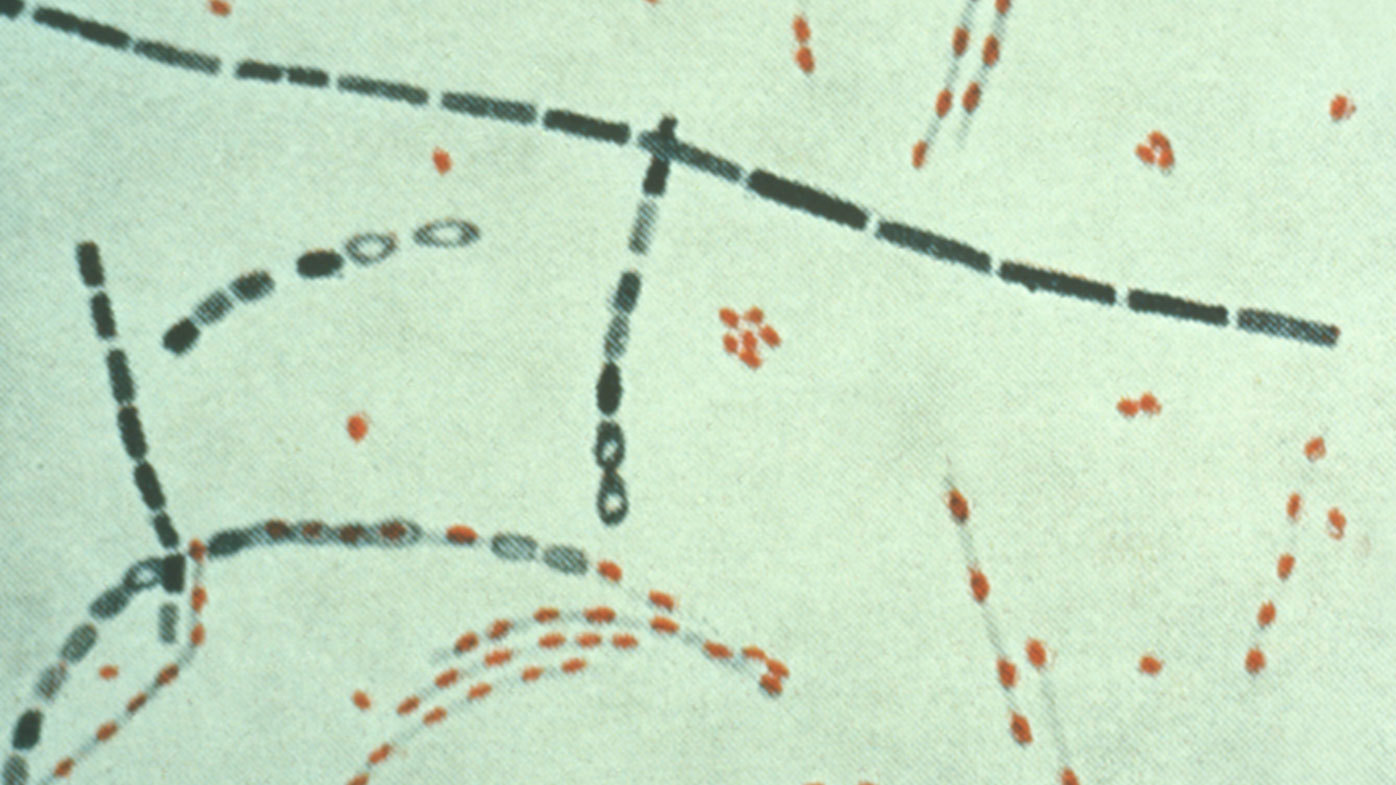
A microscopic cloud of dust drifted over a Soviet city in the spring of 1979. It weighed less than a packet of sugar. Within weeks, dozens of people were dead, gasping for air as their internal organs turned to mush. For years, the official story was tainted meat. The Soviet Union blamed "black market beef" for an outbreak of intestinal anthrax. It was a lie. This wasn't a natural disaster. It was a biological mistake of catastrophic proportions.
The Sverdlovsk anthrax leak remains the deadliest documented accident of its kind. It's a haunting reminder of what happens when high-stakes science meets low-grade bureaucracy. If you want to understand the real risks of lab leaks, you don't look at modern theories. You look at Sverdlovsk.
The Friday Afternoon Mistake That Changed Everything
It happened at Compound 19. This was a top-secret military facility in Sverdlovsk, now known as Yekaterinburg. Workers there were busy drying anthrax spores into a fine, concentrated powder. Think of it as a biological aerosol. This wasn't for medicine. It was for war.
On the afternoon of April 2, 1979, a technician removed a clogged filter from an exhaust pipe. He left a note for his supervisor to replace it. But the supervisor didn't write it in the official logbook. The next shift started. They turned the machines back on. For several hours, anthrax spores blew straight out into the night air.
The wind was blowing south. This tiny detail saved thousands of lives. If the wind had shifted toward the city center, the death toll would've been in the hundreds of thousands. Instead, the plume drifted over a ceramic factory and a military housing complex.
People started getting sick a few days later. They thought it was the flu. Then they started dying. Anthrax isn't just a skin rash. When you breathe it in, the spores germinate in your lungs. They release toxins that cause massive swelling and internal bleeding. It's a brutal way to go.
Why the Meat Story Never Made Sense
The Soviet government went into full damage control mode. They claimed people were dying because they ate contaminated meat from private farmers. They even staged "inspections" and confiscated meat from local markets. It was a classic redirection.
Dr. Matthew Meselson, a Harvard biologist, eventually led the team that exposed the truth. He noticed something the Soviets couldn't hide. The victims all lived or worked in a narrow, cigar-shaped zone downwind from Compound 19. If it was bad meat, the cases would've been scattered all over the city.
The geography told the story. The spores followed the wind.
I’ve looked at the autopsy reports from that era. They are terrifying. One doctor, Abramova, performed autopsies in secret. She saw "hemorrhagic meningitis"—brains literally soaked in blood. This isn't what happens when you eat bad steak. This is what happens when you inhale a bioweapon.
The Massive Scale of the Coverup
The KGB didn't just lie. They scrubbed the city. They burned hospital records. They paved over dirt roads. They even washed the roofs of buildings to hide any trace of the spores.
It took until 1992 for Boris Yeltsin to finally admit the truth. He confessed that the military was responsible. But even today, many details remain classified in Russian archives. We don't even know the exact death toll. Official records say 64 people died. Most experts believe it was closer to 100 or more.
What Modern Labs Can Learn From Sverdlovsk
We often think of lab leaks as something from a sci-fi movie with glowing green vats. Sverdlovsk was different. It was mundane. It was a missing logbook entry. It was a guy forgetting to put a filter back on before going home for the weekend.
The lesson here is about human error. You can have the most advanced containment systems in the world, but if the person operating them is tired or lazy, the system fails. We see this today in BSL-4 labs globally. Small mistakes have huge consequences.
The Biological Weapons Convention of 1972 was supposed to stop this. The Soviet Union signed it. Then they built the largest bioweapons program in history under the cover of a civilian organization called Biopreparat. They weren't just making anthrax. They were working on plague, smallpox, and Marburg virus.
The Physics of a Biohazard Plume
Anthrax spores are incredibly hardy. They can survive in the soil for decades. In Sverdlovsk, the concentration was so high that even a few milligrams could cause a mass casualty event.
When a bioweapon is aerosolized, it's designed to be a specific size. Between 1 and 5 microns. That’s the sweet spot. Anything larger gets stuck in your nose or throat. Anything smaller gets exhaled. But at 1 to 5 microns, the spores go deep into the alveoli of your lungs. Your body’s immune system tries to fight them, but the anthrax toxins basically turn your white blood cells into delivery trucks that carry the poison to your lymph nodes.
From there, it’s game over.
Biological Transparency is Non-Existent
One of the biggest issues we face now is the lack of international oversight. After Sverdlovsk, the world realized that countries could easily hide these programs. Even now, we don't have a "UN for Bioweapons" that can kick down doors and inspect labs.
We rely on trust. And history shows that trust is a terrible strategy when it comes to national security and public health.
If a leak happened today in a major metro area, the chaos would be worse. Not because the pathogens are more deadly, but because our information systems are more fragile. Panic spreads faster than any virus. In 1979, the Soviets could shut down a city and keep people quiet. In 2026, a leak would be on social media in ten minutes, followed by a wave of misinformation that would make the actual containment nearly impossible.
Immediate Steps for Lab Safety Awareness
You don't need to be a scientist to care about this. You need to be a citizen who demands accountability.
First, support the strengthening of the Biological Weapons Convention. It needs teeth. It needs a verification protocol that allows for "anytime, anywhere" inspections.
Second, look into the history of Biopreparat. Read The Biohazard by Ken Alibek. He was the deputy director of the Soviet program before he defected. It’s a chilling account of how close the world came to biological annihilation.
Third, pay attention to where high-containment labs are being built in your own backyard. Many of these labs are moving into urban areas for convenience. That's a choice that involves risk. You should know what that risk is and what the evacuation plans look like.
The ghosts of Sverdlovsk aren't just historical footnotes. They're a warning. A few milligrams of powder and a forgotten filter killed dozens. We haven't outgrown that kind of stupidity. We've just gotten better at hiding the evidence. Stay skeptical of official narratives and remember that in the world of high-consequence pathogens, there is no such thing as a small mistake.