The financial press is currently obsessed with a singular, lazy narrative: that rising oil prices triggered by Middle Eastern instability will bankrupt the Indonesian state. They point at the widening fiscal deficit. They moan about the subsidy burden. They treat the state budget like a fragile glass sculpture that will shatter the moment Brent crosses a certain threshold.
They are wrong.
The "fiscal squeeze" narrative is a shallow reading of Indonesian macroeconomics that ignores how the country actually functions. While analysts in London and New York stare at spreadsheets showing "Subsidy Costs: UP," they completely miss the massive, overlapping commodity tailwinds that turn a high-oil-price environment into a net positive for Southeast Asia’s largest economy.
Indonesia isn't a victim of high energy prices. It is a beneficiary.
The Subsidy Myth and the Hidden Revenue Hedge
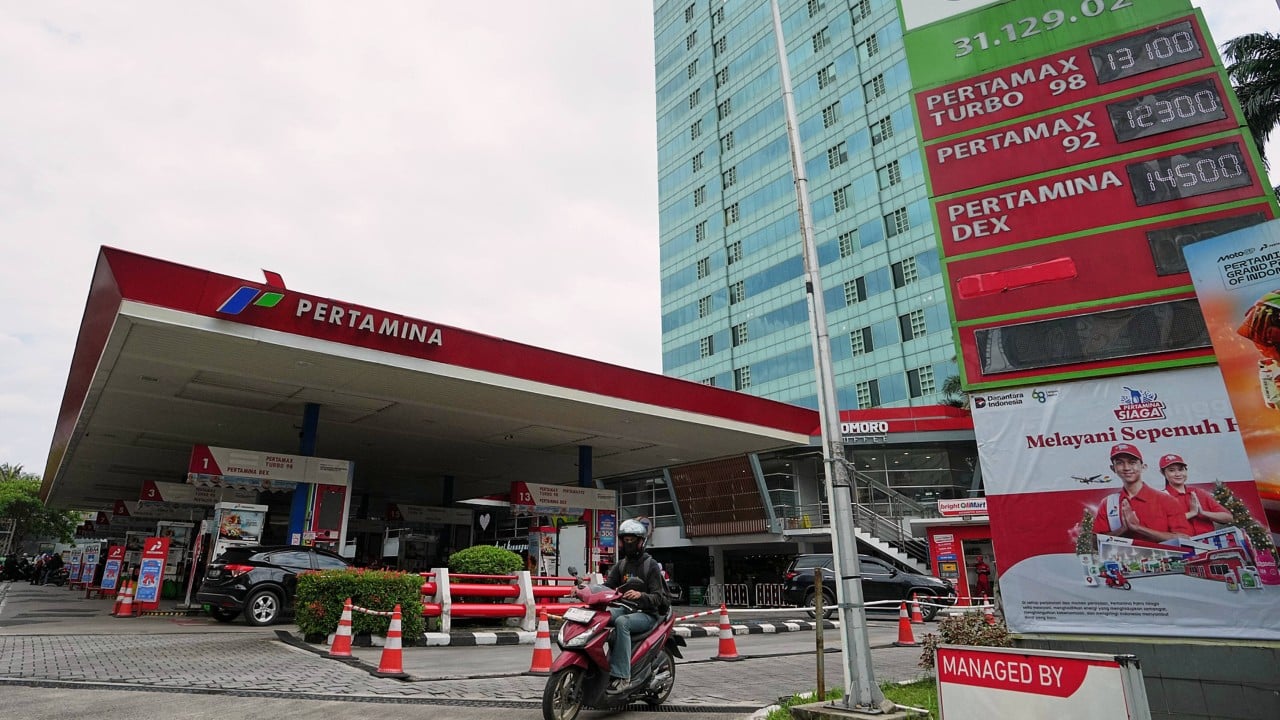
The primary argument for the "squeeze" is that the Indonesian government spends billions of dollars to keep fuel prices artificially low at the pump. The logic follows that as global prices rise, the gap between the market price and the subsidized price grows, sucking the life out of the state budget.
This ignores the Natural Resource Hedge.
Indonesia is no longer just an oil play; it is a global powerhouse in coal and nickel. Historically, there is a high correlation between crude oil prices and the prices of other energy and industrial commodities. When oil spikes due to geopolitical tension, coal—Indonesia’s massive export engine—usually follows suit.
In a $100-per-barrel world, the windfall tax revenue from coal and palm oil exports doesn't just "offset" the fuel subsidy increase. It often overwhelms it. During the 2022 price shocks, Indonesia actually recorded a budget surplus for most of the year. The "fiscal squeeze" didn't happen because the government was collecting more cash from miners and planters than it was spending on Pertamina’s losses.
If you're worrying about the deficit without looking at the export tax receipts, you’re only reading half the balance sheet.
Why Subsidies are a Political Feature, Not a Bug
Foreign observers love to lecture Jakarta on "market-based pricing." They claim that removing subsidies would "fix" the economy. This is a fundamental misunderstanding of Indonesian social stability.
Think of fuel subsidies as an unconventional social insurance policy.
In Western economies, governments use complex welfare systems, unemployment benefits, and stimulus checks to manage social unrest during downturns. In Indonesia, the government uses the fuel pump. By absorbing the shock of global oil volatility, the state prevents the kind of catastrophic inflation that kills consumer spending—the literal engine of 50% of Indonesia’s GDP.
I have watched companies burn through millions in "emerging market strategies" because they assumed a fuel price hike would lead to a total collapse in consumer confidence. It rarely does, because the government acts as the ultimate shock absorber.
The fiscal cost is high? Yes. But the cost of a populist uprising or a total freeze in domestic consumption is significantly higher. The "squeeze" is a choice, not a crisis. It is a calculated premium paid for the privilege of 5% GDP growth.
The Paradox of the Weak Rupiah
The "Iran war" narrative usually includes a side dish of "Rupiah weakness." The logic is that higher oil prices lead to more dollar outflows to pay for imports, which devalues the currency.
Again, look at the nuance.
A weaker Rupiah makes Indonesian exports—nickel, processed steel, textiles, and commodities—drastically more competitive on the global stage. Indonesia is currently in the middle of a massive "downstreaming" push, trying to force the world to buy finished batteries and processed metals instead of raw dirt.
A slightly weaker currency, supported by high global commodity prices, acts as a turbocharger for this industrialization. While the "experts" are crying about the exchange rate at the money changer, the industrial estates in Morowali are printing money.
The Middle East Miscalculation
The current panic assumes a direct, linear escalation in the Middle East that stays "hot" forever. This ignores the reality of global supply chains.
The world has more spare capacity than the doom-mongers admit. If oil hits $120, American shale restarts with a vengeance, and OPEC+ members—who are currently desperate for market share—start feeling the itch to cheat on their quotas.
Furthermore, Indonesia has been aggressively diversifying its energy mix. The "Oil Dependence" of 1998 is not the "Energy Mix" of 2026. The aggressive push into biodiesel (B35 and beyond) means a significant chunk of the transport sector is fueled by domestic palm oil, not imported Saudi crude.
Every time the price of oil goes up, the "effective discount" of using domestic palm-based fuel increases, making the local industry more resilient and less reliant on the US Dollar.
The Real Risk Nobody is Talking About
The danger isn't high oil prices. The danger is Global Deflation.
The only scenario where Indonesia truly faces a fiscal squeeze is if oil prices collapse alongside global demand. If the world enters a deep recession and commodity prices tank, Indonesia loses its export revenue while still having to manage its internal debt.
$100 oil means the world is still buying. It means the global machine is still grinding. It means there is demand for the raw materials that sit beneath Indonesian soil.
Stop asking when the "squeeze" will break the budget. It won't. The Indonesian Ministry of Finance is arguably one of the most conservative and disciplined in the world—a scar from the 1997 Asian Financial Crisis. They have built-in "stress buffers" that assume high oil prices.
Stop Fixing the Wrong Problems
The "People Also Ask" section of your brain probably wants to know: "How can Indonesia reduce its oil import bill?"
The answer isn't "hope for lower prices." The answer is to finish the refineries that have been delayed for a decade and to force the transition to electric two-wheelers. Higher oil prices actually provide the economic incentive to speed these projects up. When oil is cheap, nobody cares about efficiency. When oil is expensive, the ROI on green infrastructure and domestic refining suddenly looks brilliant.
If you are an investor or a policy-maker, stop betting on a "fiscal collapse" that has been predicted every year since 2014 and has yet to materialize.
The "squeeze" is an illusion. The windfall is real.
Buy the fear. The spreadsheets are lying to you.