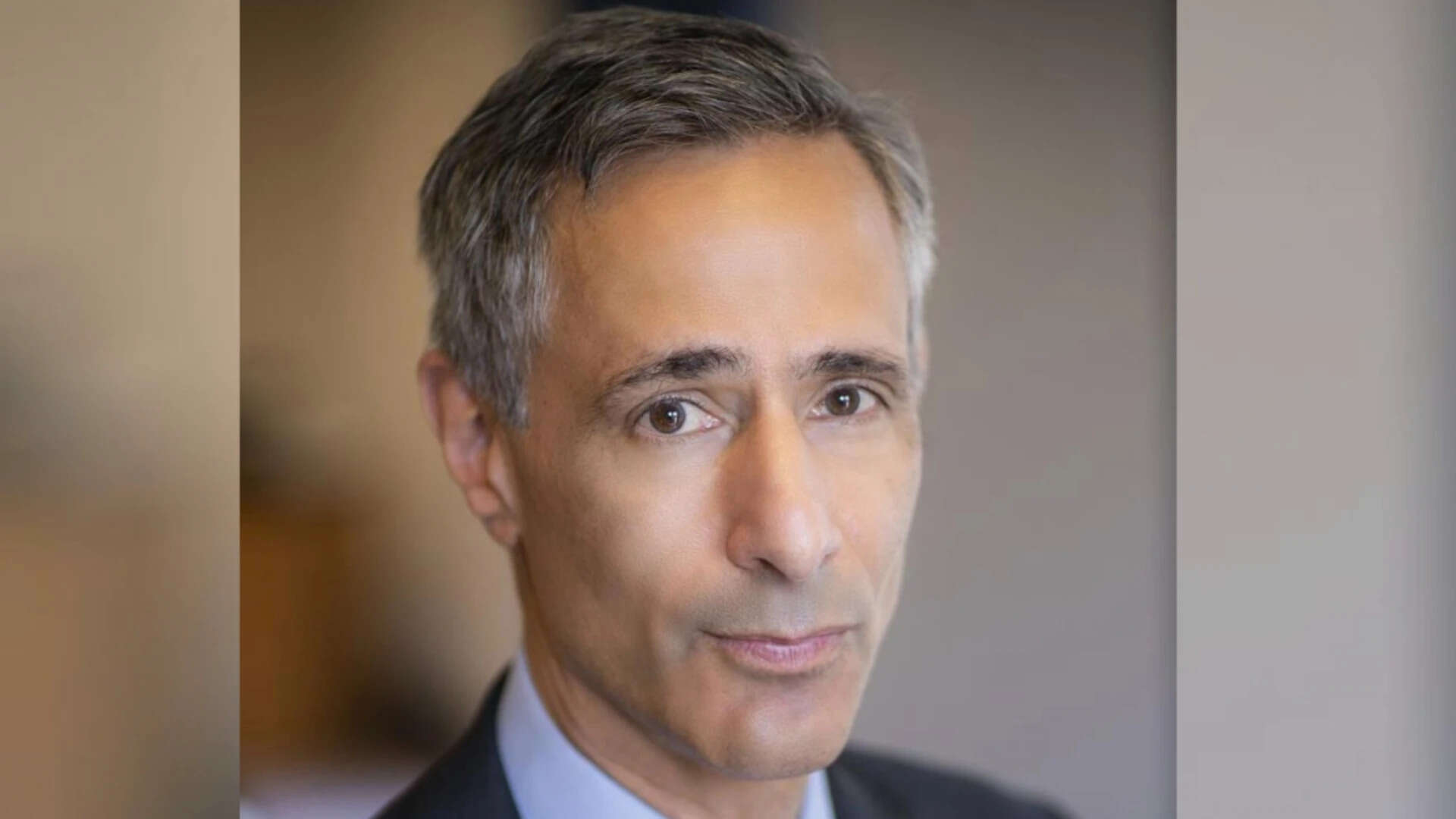
Sam Altman did not just hire a lawyer; he hired a ghost from Elon Musk’s past. As the federal trial in Oakland enters its most volatile phase, the presence of William Savitt at the defense table serves as a calculated psychological play. Savitt is the man who famously cornered Musk in 2022, forcing him to complete the $44 billion purchase of Twitter (now X) after the billionaire tried to walk away. By placing Savitt in charge of OpenAI's defense, Altman is signaling that the era of erratic, billionaire-led disruption has met its match in the cold, procedural reality of Delaware-style corporate law.
This isn't a mere contract dispute. It is a war over the moral and financial soul of the most valuable AI startup on the planet. Musk alleges that Altman and OpenAI co-founder Greg Brockman performed a "bait-and-switch," lureing him in with the promise of a nonprofit "humanity-first" mission before pivoting to a profit-hungry machine controlled by Microsoft. Altman’s counter-offensive, led by Savitt, is simple: Musk isn't a jilted philanthropist; he is a disgruntled competitor trying to use the court system to handicap OpenAI while boosting his own rival firm, xAI.
The Architect of the Twitter Trap
To understand why Savitt is the most dangerous person in the room for Musk, you have to look at the 2022 Twitter litigation. While Musk was busy posting memes and complaining about "spam bots," Savitt was quietly building a cage made of specific performance clauses. He didn't engage in the public spectacle. Instead, he exploited the rigid structure of the merger agreement until Musk had no choice but to write a $44 billion check for a company he no longer wanted.
Now, Savitt is applying that same clinical precision to OpenAI’s founding documents. During cross-examination, Savitt has already begun dismantling Musk’s narrative of "betrayal." He recently confronted Musk with his own emails from 2015, which suggested that Musk himself had entertained the idea of a for-profit structure early on. When Musk hesitated on the stand, Savitt delivered a line that echoed his previous victory: "It's a four-page document, isn't it, Mr. Musk?" The implication was clear: the world’s richest man either didn't read what he signed, or he’s reinventing history to suit his current grievances.
The Two Elons Strategy
Savitt’s primary weapon in the Oakland courtroom is a narrative he calls the "Tale of Two Elons."
- Elon One: The visionary who promised hundreds of millions to secure OpenAI’s future but ultimately only delivered roughly $44 million before leaving in a huff because he wasn't given total control.
- Elon Two: The owner of xAI who, after seeing OpenAI achieve a $157 billion valuation and global dominance, decided to sue to "unwind" the very success he failed to lead.
By framing the case this way, Savitt is moving the goalposts. He isn't just defending Altman’s integrity; he is putting Musk’s motivations on trial. The defense argues that if Musk truly cared about the nonprofit mission, he wouldn't be seeking to personally profit from the "unwinding" of OpenAI’s commercial gains or attempting to strip the company of the capital it needs to compete with Google and Meta.
The Ghost of Ruth Bader Ginsburg
Savitt’s courtroom demeanor—calm, precise, and deceptively polite—was forged in the highest echelons of the American judiciary. He clerked for the late Supreme Court Justice Ruth Bader Ginsburg, an experience he credits with teaching him the value of "reserving judgment." Unlike the high-decibel attorneys often found in celebrity trials, Savitt operates with a quiet lethargy that masks a predatory instinct for logical inconsistencies.
In the OpenAI trial, this manifests as a relentless focus on the "Founding Agreement." Musk’s legal team, led by Steven Molo, argues this agreement was a binding contract to keep OpenAI a nonprofit forever. Savitt’s counter is a masterclass in corporate law: no such formal "Founding Agreement" document exists as a signed, singular contract. It is a collection of emails and mission statements—aspirations, not obligations. Savitt is betting that the law favors the written, filed articles of incorporation over the "vibes" of a 2015 dinner meeting.
Why This Trial Matters for Every Founder
Beyond the billionaire beef, this case is creating a massive precedent for the "Nonprofit-to-Profit" pipeline. Many AI startups begin as research labs or open-source projects before realizing that the cost of compute—the billions of dollars needed for H100 chips and data centers—requires a massive infusion of private capital.
If Savitt loses, and the court decides that early mission statements are legally binding contracts, it could freeze the AI industry. Every founder who ever promised to "make the world a better place" in an early pitch deck could find themselves sued by early donors if they ever decide to take VC money or go public. Savitt isn't just defending Sam Altman; he is defending the right of a company to evolve, even if that evolution leaves its original backers behind.
The stakes involve more than just a board seat or a few billion dollars. Musk is asking for the removal of Altman from the board and the "disgorgement" of over $100 billion in gains. If successful, it would effectively decapitate OpenAI at the peak of its powers.
The Endgame of the $100 Billion Grudge
As the trial moves toward its conclusion in late May, the tension between the two sides has reached a breaking point. Musk has accused Savitt of using "misleading questions" designed to trick the jury. Savitt, meanwhile, continues to present evidence that Musk’s departure from OpenAI in 2018 was a result of a failed power grab, not a principled stand against commercialization.
The courtroom has become a laboratory for testing the durability of Silicon Valley's "handshake culture." For years, deals were made on napkins and promises were kept until they became inconvenient. William Savitt is there to remind the tech elite that when the handshake breaks, the paper is the only thing that survives.
Altman knows this better than anyone. He watched Musk lose to Savitt once, and he is betting $100 billion that lightning will strike the same billionaire twice. The final days of testimony will likely hinge on whether the jury sees Musk as a protector of humanity or a competitor with a very expensive grudge. In the hands of a lawyer who specializes in turning billionaire whims into legal liabilities, the latter is a much easier sell.
The trial continues in Oakland, but the verdict is being written in the archives of Musk’s own sent folders.